Students who need Final Draft
Start with a compatible Windows or Mac computer. Final Draft says Final Draft 13 is not supported on Chromebooks, so a suitable-looking screen or keyboard cannot make a Chromebook run the application.


Choose the screenplay application before the laptop: Final Draft 13 requires a compatible Windows or Mac computer, while a Chromebook is an option only if a different writing workflow suits you. In a student room, compare the exact screen, keyboard and connections you will use, as well as memory and storage for your wider coursework; a larger display also needs more space on the desk.
Start with a compatible Windows or Mac computer. Final Draft says Final Draft 13 is not supported on Chromebooks, so a suitable-looking screen or keyboard cannot make a Chromebook run the application.
If you draft and share scripts through a browser-based tool such as WriterDuet, a Chromebook becomes a route worth considering. Check that the tool’s project limits, export options and offline features fit the way you work.
Think about where the laptop will sit alongside notes and other coursework. A readable display, comfortable keyboard and connections for any peripherals matter more to this setup than choosing a laptop by processor name alone.
Decide which screenplay application you will use, then check the exact laptop configuration against your writing space and ordinary study tasks.
Choose when: You need Final Draft and want a Windows study laptop; Final Draft specifies Windows 10 or later on Intel or AMD systems.
Watch for: Windows laptops differ by processor and configuration, so confirm the requirements against the exact model.
Choose when: You prefer macOS and need Final Draft, which specifies macOS 12 or later.
Watch for: Check whether your existing monitor and peripherals need adapters for the ports on the model you choose.
Choose when: A browser-based screenwriting tool covers the way you draft, share and export scripts.
Watch for: Final Draft says it is not supported on Chromebooks; check any alternative tool’s offline and project limits.
| Concern | What to check | Who this matters to |
|---|---|---|
| Software compatibility | Choose the writing application first; check its operating-system and processor requirements against the exact laptop. | If Final Draft is essential to my coursework, I need a computer on which it will run rather than a Chromebook that only suits an alternative workflow. Around 36% of consumers put software compatibility first. |
| Writing space | Check screen size and finish, keyboard layout, and the connections needed for your room setup. | When my desk also holds notes, I want a screen I can read without giving the laptop more room than I can spare. For around 29% of consumers, the writing setup is the primary concern. |
| Study multitasking | Check the listed memory and SSD capacity on the exact configuration, including whether memory can be upgraded. | My script is only one part of the workload: research tabs, PDFs and coursework must fit alongside it. Around 21% of consumers make everyday multitasking and file capacity their first consideration. |
| Software access | Check the writing tool’s project limits and which plan provides the features you intend to use. | If a project limit or missing offline feature would interrupt a long script, I need to settle the software plan before choosing the laptop. Continuing access is the leading concern for around 14% of consumers. |
A Chromebook may handle writing and web research, but Final Draft says its application is not supported on Chromebooks.
Decide whether Final Draft is required before choosing an operating system. If it is, check its requirements against the Windows or Mac laptop you intend to buy.
Memory, display finish and keyboard layout can differ between configurations in the same family. Lenovo lists soldered 8 GB memory for the cited IdeaPad Slim 3 Gen 10 configuration, which makes its exact specification especially important.
Check the model or part number, memory, display, keyboard layout and included accessories on the precise listing.
WriterDuet describes different project and workflow features across its plans. A tool that works for a short trial may not cover a longer project in the same way.
Confirm the project limit, collaboration features, offline access and export options you need before relying on the tool for coursework.
GOV.UK advises that electrical products should not be put into household rubbish.
Back up and erase your files, then use an appropriate electrical-waste collection route when you retire a laptop.
These brand examples illustrate laptop configurations relevant to screenwriting; compare the precise model and variant rather than assuming every laptop from a brand has the same features.
The 13-inch MacBook Air is a compact macOS reference for writers who need Final Draft compatibility.
The cited IdeaPad Slim 3 Gen 10 configuration is a Windows reference for writers comparing a 14-inch study setup.
The cited Chromebook Plus 514 is a ChromeOS reference for writers choosing a browser-based workflow.
These laptops cover Chromebook, Mac and Windows approaches to writing in a student room. Choose the software route first, then use each model’s screen size and stated configuration to narrow the choice.
 Image unavailable
Consider this Chromebook if a browser-based screenwriting application meets your needs; Final Draft is not supported on Chromebooks.
The named configuration has a 14-inch WUXGA (1920 × 1200) display, Intel Core 5 120U processor, 8 GB RAM and a 512 GB SSD.
 Image unavailable
Consider this MacBook Air if you prefer macOS for your screenplay application and want a 13-inch laptop for a compact setup.
This named variant has an M5 chip, 24 GB memory and a 1 TB SSD. Check the keyboard layout and whether your peripherals need adapters before ordering.
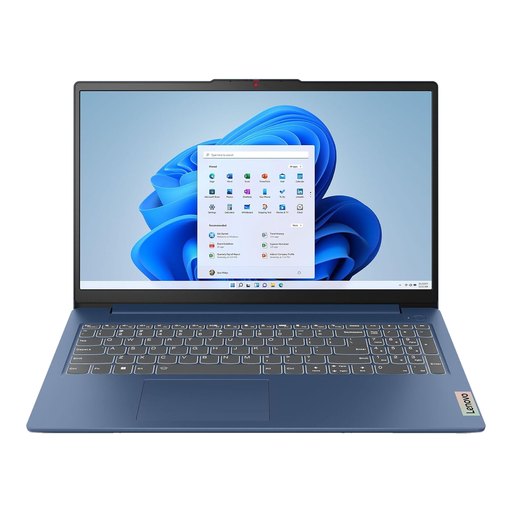 Image unavailable
Consider the 15.6-inch format if you have room for a larger writing display. If Final Draft is essential, confirm this exact laptop’s operating system and processor before buying.
The named variant has 16 GB RAM and a 512 GB SSD. Check the processor configuration and keyboard layout against the precise listing.
 Image unavailable
This 14-inch Windows laptop is a writing and study option if your chosen applications support its Snapdragon X processor. Final Draft specifies Intel or AMD for its Windows requirements, so confirm compatibility with Final Draft before choosing this model for that application.
The named variant has 16 GB RAM and a 512 GB SSD. Check the keyboard layout if an English (UK) layout matters to you.
 Image unavailable
Consider this Windows model if you have desk space for its 16-inch touchscreen; check the laptop’s footprint against your room setup.
The named variant lists an Intel Core Ultra 5 226V processor, 16 GB RAM, a 512 GB SSD and Windows 11 Home. Confirm the keyboard layout and connections you need for your peripherals.
No. Final Draft says Final Draft 13 is not supported on Chromebooks; it specifies macOS 12 or later, or Windows 10 or later on an Intel or AMD system. If Final Draft is essential, check those requirements against the exact Windows or Mac computer.
Yes, if an alternative application covers your writing workflow. WriterDuet offers a browser-based route, but check its project limit and the features you need for collaboration, export and offline work before choosing a Chromebook.
Judge storage by everything you keep on the laptop, not script files alone. Check the exact configuration against your coursework, research files, downloads and any locally synced folders.
Do not put it in household rubbish. GOV.UK advises keeping electrical products out of household waste; back up and erase your data, then use an appropriate electrical-waste collection route.