
24/7 Customer Support

Free returns

Same-day & Next-day Delivery

Quality Guaranteed

Unlock Your Welcome Offers: FREE Delivery | Up to 80% OFF | Free 30-day JoyPlus trial
Download the APP
Navigating the world of memory cards can feel like deciphering a secret code. With a dizzying array of numbers, acronyms and technical specifications, it is easy to make a purchase that either underperforms or fails when you need it most. As a Joybuy Product Recommendation Officer, my role is to help you understand what truly matters, so you can select a reliable SD card without falling for common marketing traps.
Before you add a card to your basket, be aware of these frequent pitfalls that catch out many UK shoppers:
To make an informed choice, focus on the standardised performance metrics rather than the marketing headlines. These specifications tell you how the card will actually perform.
The most reliable indicators of performance for video are the UHS Speed Class and Video Speed Class ratings.
The format determines the storage range of your memory card.
This is a simple physical distinction. Full-size SD cards are primarily used in larger devices like DSLR and mirrorless cameras. The much smaller microSD card is the standard for smartphones, drones, action cameras and handheld gaming consoles like the Nintendo Switch and Steam Deck. Many microSD cards come with an adapter, allowing them to be used in a full-size SD slot.
Instead of a one-size-fits-all approach, we have matched specific cards to different user needs, ensuring you get the right performance for your device.
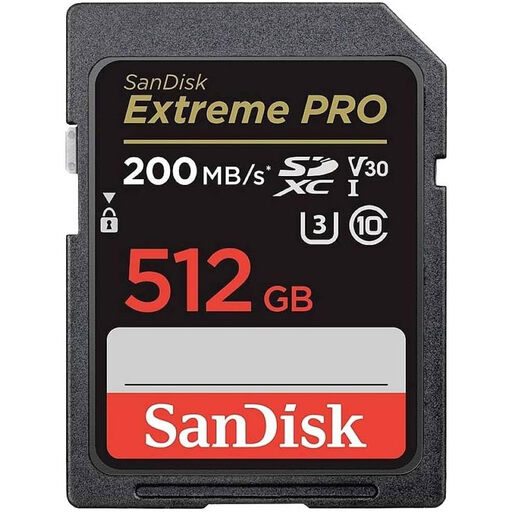
Why This Fits Their Persona: For professionals shooting high-resolution RAW photos or long 4K video sessions, capacity and sustained write speed are non-negotiable. This 512GB SD card provides ample space, while its high write speed (up to 140MB/s) and V30 rating ensure it can handle demanding data streams from modern mirrorless cameras without issue.
It sidesteps the "speed illusion" by offering a genuine high write speed and a V30 rating, which guarantees performance for 4K video, preventing the dropped frames common with lesser cards.
Combines a massive 512GB capacity with professional-grade write speeds and robust durability (waterproof, shock-proof) for reliable field use.
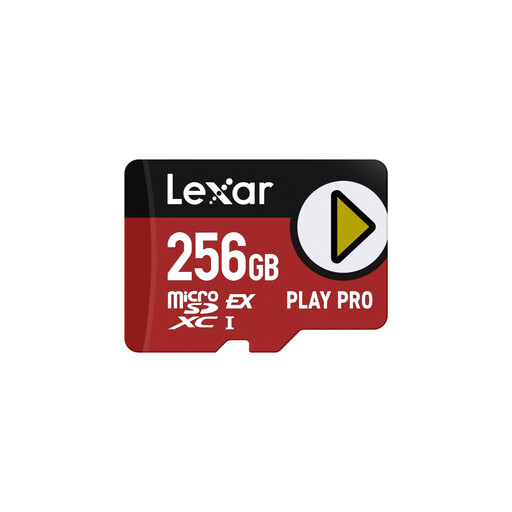
Why This Fits Their Persona: As a memory card for Nintendo Switch or Steam Deck, fast loading times are key. This card's A2 performance rating is specifically designed to speed up app and game loading, providing a much smoother experience than a standard microSD card. The 256GB capacity offers a great balance for storing a healthy library of games.
It focuses on the A2 rating, a metric crucial for gaming that is often overlooked. This avoids the pitfall of buying a card with high transfer speeds but slow random access performance, which leads to long loading screens.
A2-rated for optimised game loading. It also features future-proof microSD Express technology while remaining fully compatible with current UHS-I devices.
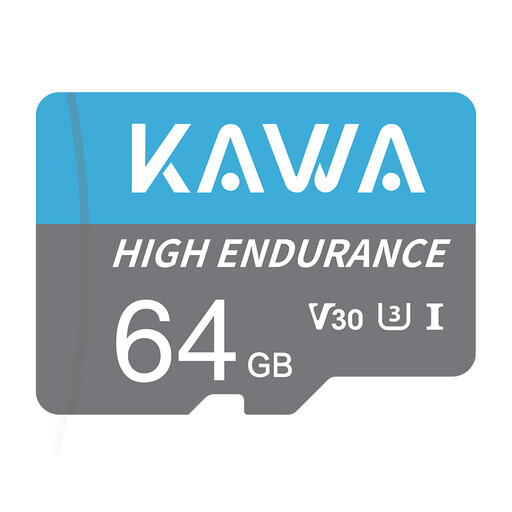
Why This Fits Their Persona: This card is purpose-built for the demands of a dash cam memory card or home security camera. These devices are constantly recording and overwriting footage (loop recording), a process that quickly destroys standard memory cards. This high-endurance model is designed to handle that workload reliably.
It directly solves the "endurance mismatch" pitfall. By choosing a card specifically for video monitoring, you ensure longevity and prevent the sudden card failure that could happen at a critical moment with a standard card.
Engineered for high-endurance use, withstanding extreme temperatures and the stress of continuous video recording and rewriting cycles.
We have compiled a complete, real-time list of products that fully satisfy these strict selection criteria and UK safety regulations.
Yes, it is highly recommended. You should always format a new memory card inside the device you intend to use it with (e.g., in your camera's menu, or through your Nintendo Switch's settings). This process optimises the card's file system for that specific device, ensuring maximum compatibility and preventing potential errors.
The speed advertised on the packaging is a maximum read speed achieved in a controlled environment. Your real-world speed is often limited by the device you are using. A camera, laptop card slot or USB adapter may not support the card's top speed. For a more practical measure of performance, always look for the U3 or V30 rating, which guarantees a minimum sustained write speed.
The lifespan of a memory card depends entirely on its usage. For general photography and videography, a quality card from a reputable brand like SanDisk or Lexar can last for many years with normal use. However, for applications involving constant rewriting, such as a dash cam or security camera, a standard card's lifespan can be reduced to just a few months. This is why it is critical to use a dedicated high endurance memory card for those tasks.