
24/7 Customer Support

Free returns

Same-day & Next-day Delivery

Quality Guaranteed

Unlock Your Welcome Offers: FREE Delivery | Up to 80% OFF | Free 30-day JoyPlus trial
Download the APP
As a Joybuy Product Recommendation Officer, my role is to help you navigate the crowded market of angling gear. When it comes to selecting a new sea bass fishing rod, it is easy to get caught up in marketing claims and end up with a tool that is not quite right for the job. Many anglers in the UK find themselves with rods that are either too heavy, corrode after a few trips or simply lack the sensitivity needed for effective lure fishing. Let's cut through the clutter and focus on what truly matters.
Before you make a decision, be aware of these common purchasing pitfalls:
To ensure your next purchase is a lasting one, focus on these three non-negotiable specifications. Understanding them will empower you to choose a rod that genuinely enhances your fishing experience.
The blank is the heart of the rod. Modern bass fishing rod UK models are predominantly made from carbon fibre. Look for rods that specify the quality of the carbon and construction, as this indicates a focus on performance rather than just marketing. A well-constructed blank provides the perfect balance of lightness for all-day casting, sensitivity to feel every pluck and pull and the backbone needed to handle a powerful, diving bass. A two-piece fishing rod design is also a practical standard for most UK anglers, offering a great compromise between performance and portability.
These two terms are often confused but are vital for lure work.
A great blank can be ruined by poor components. For any saltwater fishing rod, this is paramount.
Instead of a generic list, we have matched some options to specific types of anglers we often speak with.
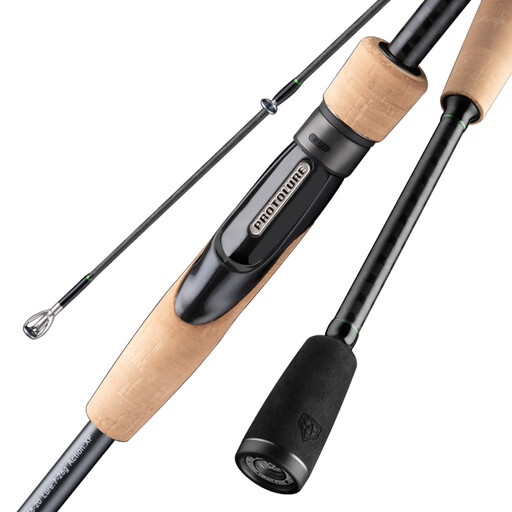
Why This Fits Their Persona: This angler enjoys targeting sea bass from the shore but also appreciates a rod that can handle freshwater species like pike or perch. They need a reliable, portable and adaptable tool for weekend trips around the UK coastline and local reservoirs.
It is specifically designed for both freshwater and saltwater use, meaning its components are chosen to resist corrosion, avoiding the pitfall of a freshwater rod failing in the sea.
Its two-piece construction makes it easy to transport and store. The balanced action is suitable for a wide range of popular sea bass lures.
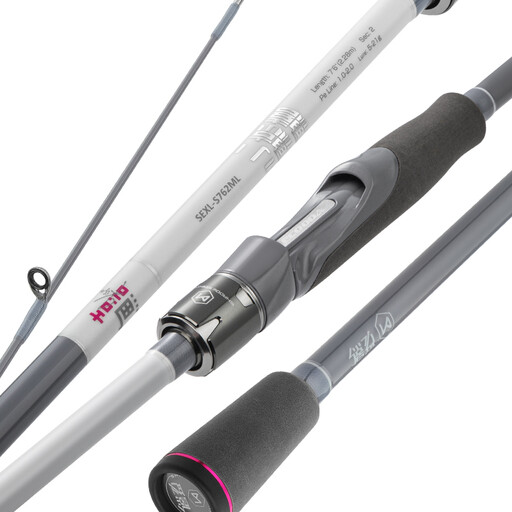
Why This Fits Their Persona: This angler is serious about their lure fishing. They understand that component quality directly impacts performance and longevity. They spend hours casting and retrieving, so sensitivity and reduced line friction are top priorities.
By featuring genuine Fuji SIC guides, it sidesteps the pitfall of premature corrosion and guide failure. This is a verifiable quality component, not just a marketing term.
The high-quality guides allow for smoother, longer casts and increased sensitivity. The responsive carbon blank is ideal for detecting subtle bites when using a modern lure fishing rod.
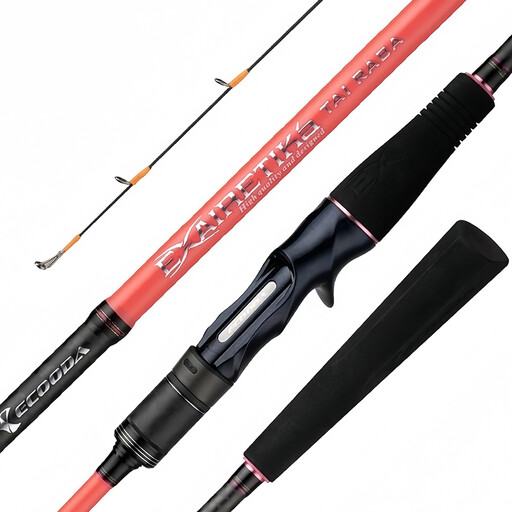
Why This Fits Their Persona: This angler has moved beyond general lure fishing and focuses on specialised techniques like vertical jigging from a boat or kayak, using Tai Rubber or Tenya style jigs. They need a rod with a very specific action to impart the correct movement to the lure.
It avoids the "one-size-fits-all" trap by being purpose-built for a niche technique. Using a generic rod for jigging results in poor lure action and fewer fish.
Features a parabolic action and sensitive tip designed to work jigs effectively and absorb the lunges of powerful fish on a short line. It is a specialist tool for a growing style of fishing.
We have compiled a complete, real-time list of products that fully satisfy these strict selection criteria and UK safety regulations.
After every trip, it is crucial to rinse the entire rod, including the guides and reel seat, with fresh water. Use a soft cloth to gently wipe it down and allow it to air dry completely before storing it in a rod bag or tube. This simple step can dramatically extend the life of your rod's components.
For most UK shore fishing scenarios, a rod between 8 and 9.5 feet (approximately 2.4m to 2.9m) offers the best balance of casting distance and control. Shorter rods (around 8ft) provide more accuracy and are great for fishing tight spots, while longer rods (9ft+) help you cast further from open beaches or rocky headlands.
Absolutely. A good quality sea bass fishing rod is often very versatile. Its sensitivity and power make it an excellent tool for targeting other predators like pike and zander in freshwater canals and lakes, or for light spinning for pollack and wrasse from the rocks. Just be sure to rinse it thoroughly after any saltwater use.