
24/7 Customer Support

Free returns

Same-day & Next-day Delivery

Quality Guaranteed

Unlock Your Welcome Offers: FREE Delivery | Up to 80% OFF | Free 30-day JoyPlus trial
Download the APP
Choosing the right sea bass lure rod can feel like navigating a minefield of marketing claims and technical jargon. Many UK anglers, eager to hit the coast, end up with equipment that either fails prematurely or isn't suited for the task. Before you invest, it's crucial to understand the common pitfalls that lead to a wasted purchase and a frustrating day on the water.
As a Joybuy Product Recommendation Officer, my role is to help you sidestep these issues by focusing on what truly matters. Here are two frequent traps to be aware of:
To ensure your new rod is a reliable partner, focus on these non-negotiable specifications. These factors determine performance, longevity and ultimately, your success and enjoyment.
The blank is the heart of the rod. For lure fishing, a carbon fishing rod is the standard for good reason. High-quality carbon fibre provides two key advantages:
For a bass fishing rod UK coastal anglers will find effective, certain dimensions are key.
Here are some options that align with these practical principles, matched to different angling styles.
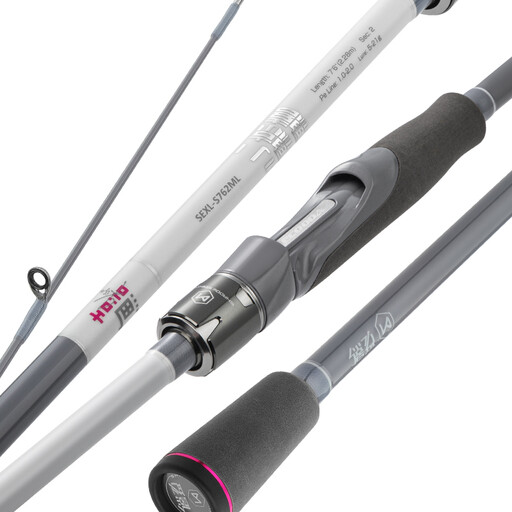
Why This Fits Their Persona: This angler targets sea bass along the coast but also enjoys fishing for trout or perch in estuaries and rivers. They need a high-quality, adaptable rod that performs well in both saltwater and freshwater.
It sidesteps the "all-purpose" trap by using premium components. The Fuji SIC guides are known for their hardness, smoothness and excellent corrosion resistance, making this a genuine saltwater-capable rod that is also sensitive enough for freshwater targets.
Features high-quality Fuji components for durability and performance. It's a capable lure rod for bass and trout, offering genuine versatility without significant compromise.
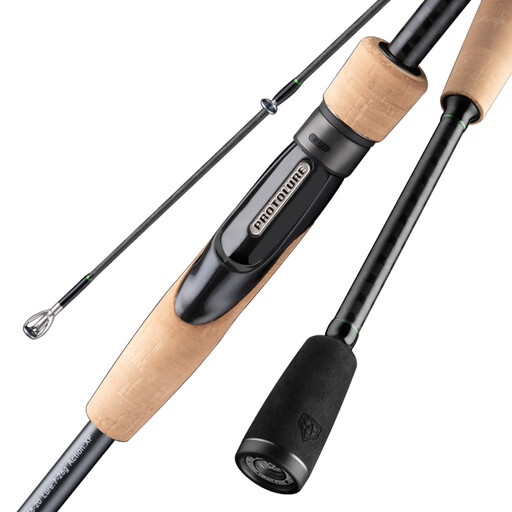
Why This Fits Their Persona: This angler is focused purely on sea bass. They hike to rocky headlands and surf beaches, requiring a portable rod that is specifically tuned for casting lures into the surf and has the backbone to handle a large fish in a swell.
This is not a generalist rod. It is purpose-built for sea bass, with a blank action designed for casting popular bass lures. The two-piece construction provides the portability needed for the specialist angler without creating a weak point in the blank.
A focused design for sea bass lure fishing. The two-piece fishing rod format makes it a practical travel fishing rod for reaching more remote UK coastal marks.
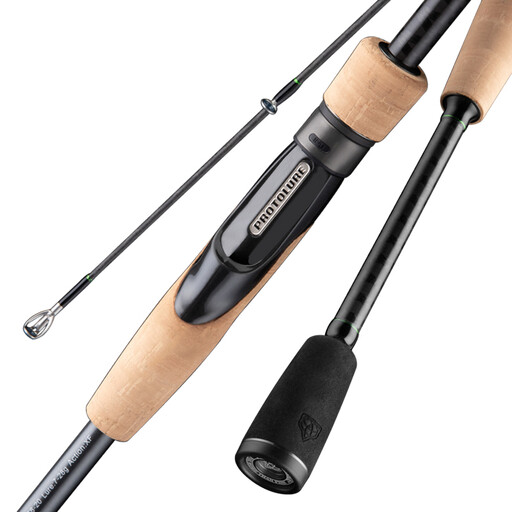
Why This Fits Their Persona: This angler enjoys the thrill of light-tackle sport, targeting school bass, wrasse and sea bream around harbours and estuaries. They prefer smaller lures and value sensitivity and a sporting fight over raw power.
By being upfront about its lighter focus, it avoids the trap of over-promising. It is a saltwater-ready rod with fittings that resist corrosion, but it is tuned for finesse and smaller lures, making it a specialist tool rather than a weak all-rounder.
Excellent sensitivity for light lure work. The two-piece design ensures it is easy to transport for sessions at local harbours, estuaries and rock pools.
We have compiled a complete, real-time list of products that fully satisfy these strict selection criteria and UK safety regulations.
A quality saltwater lure rod should last for many years with proper care. The most critical maintenance step is to rinse the entire rod, especially the guides and reel seat, with fresh water after every single trip to the coast. This removes salt deposits that cause corrosion. Store it in a rod bag or tube to prevent physical damage.
Yes, absolutely. A good quality sea bass lure rod is often an excellent tool for targeting other predatory species like pike, perch and zander in freshwater. Its length and casting weight are well-suited for casting lures for these species, making it a versatile addition to your collection.
The main differences lie in the quality of the carbon fibre and the components. More expensive rods typically use a higher modulus carbon, which is lighter, stiffer and more sensitive, allowing you to feel more and cast with less effort. They also tend to feature higher-grade components from brands like Fuji, which offer better performance and superior corrosion resistance, directly impacting the rod's longevity and on-the-water feel.