
24/7 Customer Support

Free returns

Same-day & Next-day Delivery

Quality Guaranteed

Unlock Your Welcome Offers: FREE Delivery | Up to 80% OFF | Free 30-day JoyPlus trial
Download the APP
Choosing a new sea fishing rod can feel like navigating a minefield of marketing jargon and technical specifications. With so many options available, it is easy to end up with a rod that is ill-suited to the UK’s diverse coastal conditions, leading to frustration and wasted money. As a Joybuy Product Recommendation Officer, my role is to help you sidestep these issues by focusing on what truly matters for your angling success.
Before you make a decision, let's look at some common pitfalls that anglers encounter:
To make an informed choice, you need to understand a few key parameters. Focusing on these will ensure the rod you select is a genuine tool for the job, not just a marketing gimmick.
These two terms are frequently confused but are crucial for matching a rod to your fishing style.
The blank is the heart of the rod, and its material dictates its performance and feel.
Instead of a generic list, we have matched a few options to specific types of UK anglers. This helps you find a rod that aligns with how you actually fish.
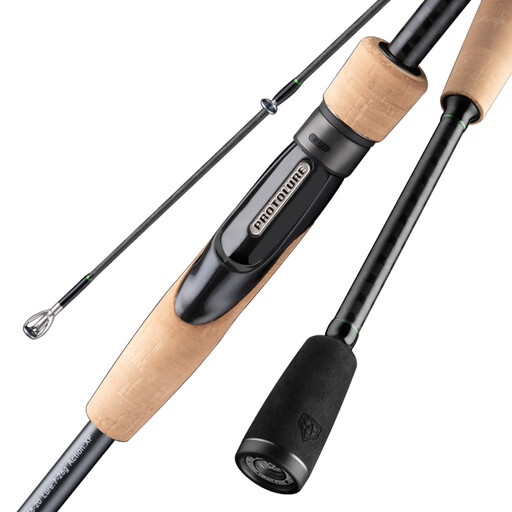
Why This Fits Their Persona: This angler targets sea bass from rocky shorelines and estuaries but also enjoys lure fishing for perch and pike in freshwater. They need a sensitive, lightweight rod that casts well and can be transported easily.
It avoids the "one-rod-fits-all" trap by being specifically designed as a sea bass rod, whose characteristics (fast action, sensitivity) also happen to excel for freshwater predators. It is specialised, not a vague all-rounder.
Its two-piece construction maintains a responsive action while being easy to transport. The blank is balanced for casting lures and provides good feedback from the lure to the hand.
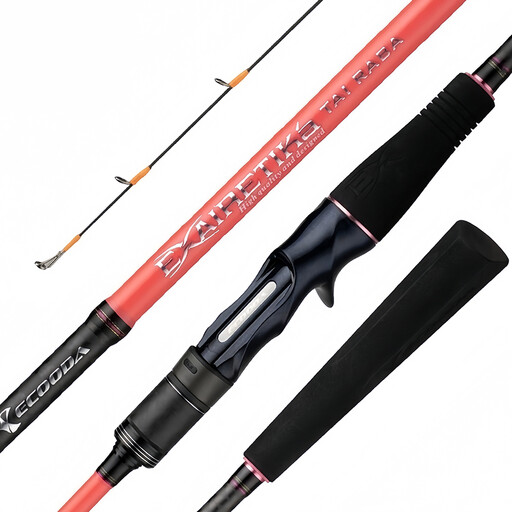
Why This Fits Their Persona: This angler spends their time on charter boats or their own vessel, targeting pollack, cod and ling over wrecks and reefs. They primarily use vertical jigging techniques and need a short, powerful rod with a sensitive tip.
This is a purpose-built boat fishing rod for modern jigging styles like Tai Rubber and Tenya. It sidesteps vague material claims by focusing on function-specific design, where the blank's action is engineered for imparting action to a jig, not just casting.
The shorter length provides leverage and control in the confined space of a boat. It has a parabolic bend to absorb the lunges of powerful fish, reducing the chance of the hook pulling free.
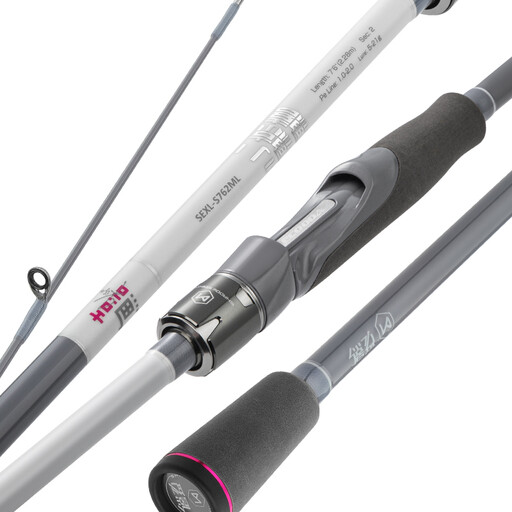
Why This Fits Their Persona: This angler understands that quality components are key to longevity and performance. They want a high-performance carbon fishing rod that will not fail due to corrosion and will provide a superior casting experience.
It directly counters the pitfall of poor components. The inclusion of genuine Fuji SIC guides is a clear indicator of quality, ensuring durability against saltwater and smooth performance with both braid and monofilament lines.
Fuji is a leading name in rod components. The Silicon Carbide (SIC) rings are exceptionally hard and slick, reducing line wear and increasing casting distance. This is a rod built for long-term, reliable use.
We have compiled a complete, real-time list of products that fully satisfy these strict selection criteria and UK safety regulations.
The lifespan of a sea fishing rod depends heavily on its materials and how it is maintained. A quality rod with stainless steel or titanium components, if rinsed thoroughly with fresh water after every trip, can last for many years. In contrast, a cheaper rod with plated fittings may show signs of significant corrosion within a single season of regular saltwater use.
The primary difference is corrosion resistance. A sea fishing rod is built with materials designed to withstand the harsh saltwater environment. This applies to the line guides, reel seat and handle components. Sea rods also tend to have more power to handle larger, stronger fish and the heavier lines and lures often required.
Not necessarily. A higher price often reflects a higher modulus carbon blank, which creates a very lightweight fishing rod that is extremely sensitive. While excellent for experienced anglers, this can also make the rod more brittle and less forgiving. For general sea angling, a mid-range rod made from standard modulus carbon or a carbon-composite blend can offer better durability and be a more practical choice. The key is to match the rod's specifications to your specific fishing style and needs.