
24/7 Customer Support

Free returns

Same-day & Next-day Delivery

Quality Guaranteed

Unlock Your Welcome Offers: FREE Delivery | Up to 80% OFF | Free 30-day JoyPlus trial
Download the APP
Sea salt snacks are easy to buy, but choosing the right pack is less straightforward than it appears. A product may be labelled “lightly salted” while still containing a meaningful amount of salt per serving, or appear good value until you notice the small net weight. Flavour descriptions can also distract from practical details such as allergens, portion size and storage.
This guide explains what to check before buying, then matches a selection of sea salted crisps, sea salt popcorn, seaweed snacks and salted nuts to different shopping needs.
Sea salt is still salt. The source or shape of the crystals does not automatically make a snack lower in salt, fat or calories. Compare the salt per 100g and the serving information rather than relying on phrases such as “natural”, “gourmet” or “premium”.
For context, the UK adult reference intake for salt is 6g per day. This is not a personal target or medical recommendation, but it is useful when reading nutrition labels. A snack that contains 3.5g of salt per 100g, such as the listed salted pretzels, can contribute considerably if eaten directly from a large bag.
Crisps, popcorn and seaweed thins are lightweight products, and multipacks can make the total quantity look larger than the individual portions. Check both the total net weight and the number of servings. A 6 x 10g popcorn multipack gives a different portion structure from a 150g sharing bag, even if both are intended for snack occasions.
Sea salt seasoning does not indicate dietary suitability. Wheat and rye appear in many crackers and pretzels; milk may be present in butter-flavoured products and chocolate; nuts and peanuts require particular care. “May contain” statements refer to potential manufacturing cross-contact, so always check the current packaging before serving snacks to someone with an allergy.
Use the nutrition panel to compare salt, saturated fat, energy and fibre per 100g. Per-serving figures are helpful for portion planning, but they are not always based on the amount people actually eat. For example, Propercorn Lightly Sea Salted Popcorn lists 44 kcal and 0.11g salt per 10g serving, while its 100g figures provide a more consistent comparison with crisps and nuts.
“Lightly salted snacks” may suit shoppers who prefer a gentler seasoning, but taste preference and nutrition are separate considerations. A lightly seasoned crisp can still be energy-dense because it is cooked in oil.
Short ingredient lists can make it easier to identify the main components. Propercorn lists wholegrain corn, rapeseed oil and sea salt. Itsu Sea Salt Crispy Seaweed Thins contain seaweed, olive oil and sea salt, while the Sweet Soy & Sea Salt version also includes soy sauce powder, sugar and wheat.
For more layered flavours, look for products such as sea salt and black pepper, rosemary and sea salt, or sweet and salty snacks combining caramel, chocolate or cocoa. These may include flavourings, sugar, yeast extract or other seasoning ingredients, so compare the full list rather than the front-of-pack description.
Single portions work well for lunchboxes, office drawers and commuting. Larger packs are more practical for parties, picnics or a pantry, but should be resealed to protect texture. Crisps, popcorn, pretzels and seaweed thins lose their crunch after exposure to moisture, while nuts may need to be consumed within a stated period after opening.
For sharing, consider texture and pairing. Thick-cut crisps and salted pretzels can handle dips, cheese and chutney. Delicate seaweed snacks are better suited to quick eating or serving alongside rice dishes. Always follow the storage instructions printed on the pack.
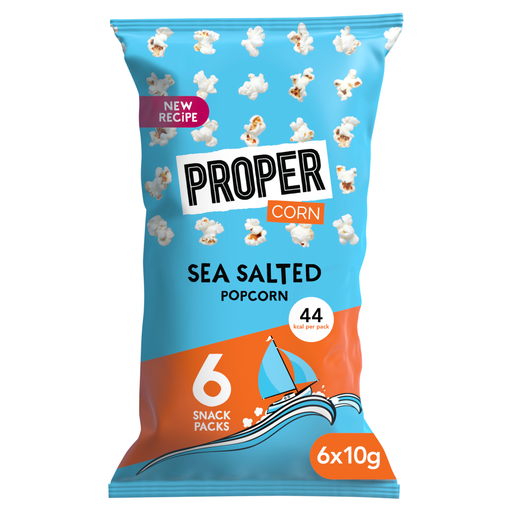
Why This Fits Their Persona: Six individual 10g bags offer easy portion control for work breaks, lunchboxes and days out without opening a full sharing bag.
The pack states the serving weight clearly, helping shoppers avoid estimating a portion from a large bag.
Wholegrain corn is listed at 85%; each 10g serving contains 44 kcal, 1.1g fibre and 0.11g salt.
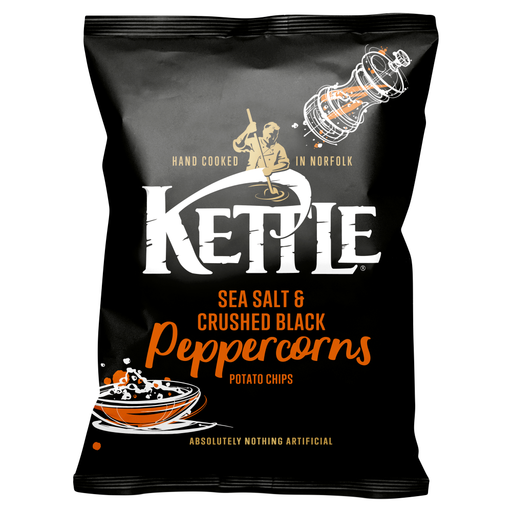
Why This Fits Their Persona: A 130g sharing pack suits relaxed entertaining, cheese boards and shoppers who prefer a more pronounced pepper seasoning.
The ingredient list identifies potatoes, sunflower oil, sea salt and black pepper alongside the other seasoning components.
The listed nutrition is 500 kcal and 1.5g salt per 100g; the product information states no artificial flavours, colours or preservatives.
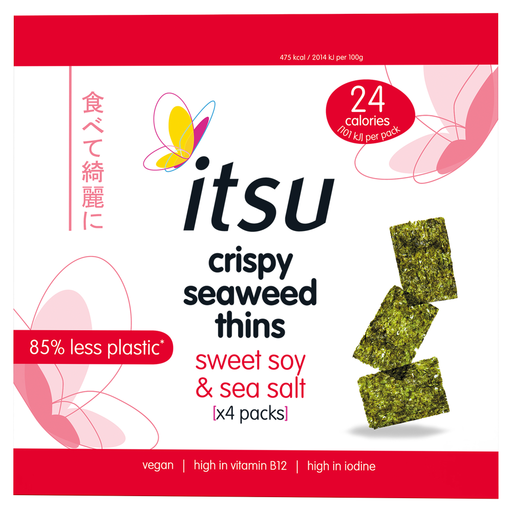
Why This Fits Their Persona: Four compact portions are convenient for office drawers, travel and lunchboxes, with a sweet-and-savoury umami profile instead of a standard potato crisp.
The 4 x 5g format makes the total 20g quantity transparent, while soy and wheat allergens are clearly identified.
Each pack contains 5g; the listed flavour combines sweet soy with sea salt and the product is ready to eat.

Why This Fits Their Persona: A small, savoury seaweed snack for shoppers seeking a vegan-friendly option to keep at home or take on the go.
It uses a short listed ingredient set of seaweed, olive oil and sea salt, while also stating potential sesame and soy contact.
The 4 x 5g multipack offers individual portions; the product information lists 24 kcal and 0.17g salt per 5g serving.
For a traditional sharing bowl, consider salted pretzels, Tyrrells crisps or sea salt crackers. Salted nuts provide a different texture, while Forest Feast and truffle-seasoned nut mixes suit a more gourmet snack setting. Sweet-and-savoury shoppers can compare sea salt chocolate or cocoa nut crunch.
Sea salt is also useful beyond snacking. The sea salt range includes pantry products such as Maldon sea salt, which can be used to season home-cooked dishes. For convenience meals, butter and sea salt rice pots offer a ready-to-heat option, although they should be assessed as a meal component rather than a crisp-style snack.
We have compiled a complete, real-time list of products that fully satisfy these strict selection criteria and UK safety regulations.
Many are convenient for lunchboxes because they are ambient, ready to eat and available in individual portions. Check the allergen information, age suitability and pack size first. Pretzels and some crisps may contain wheat, while seaweed products can carry soy, sesame or wheat warnings.
Larger packs such as 130g crisps, 150g crisps, 175g pretzels and 100g nut mixes are practical for parties or family gatherings. Place a serving in a bowl rather than leaving the packet open, making it easier to monitor how much is eaten and helping preserve freshness.
Keep unopened products in a cool, dry place away from direct sunlight. Once opened, reseal crisps, popcorn, pretzels and seaweed thins promptly. For precise shelf-life, allergen and storage details, rely on the packaging supplied with the product, as formulations and labelling can change.