
24/7 Customer Support

Free returns

Same-day & Next-day Delivery

Quality Guaranteed

Unlock Your Welcome Offers: FREE Delivery | Up to 80% OFF | Free 30-day JoyPlus trial
Download the APP
As a Joybuy Product Recommendation Officer, my role is to help you navigate the crowded shelves and make informed choices. When it comes to a pantry staple as fundamental as sea salt, it’s surprisingly easy to overpay or pick the wrong type for your needs. Let's cut through the marketing clutter and look at what truly matters.
Before you add that next box or bag of salt to your basket, be aware of these common traps that can lead to disappointment in the kitchen.
To avoid these pitfalls, focus on these three practical parameters. They will guide you to the right sea salt for every occasion, from daily cooking salt to a special finishing salt.
The physical form of the salt crystal is arguably its most important feature, as it dictates how it dissolves, tastes and feels in the mouth.
Beyond the salt itself, check the label for two common additions:
Finally, consider what you'll be using it for.
Based on these practical criteria, here are a few recommendations tailored to different needs and preferences.
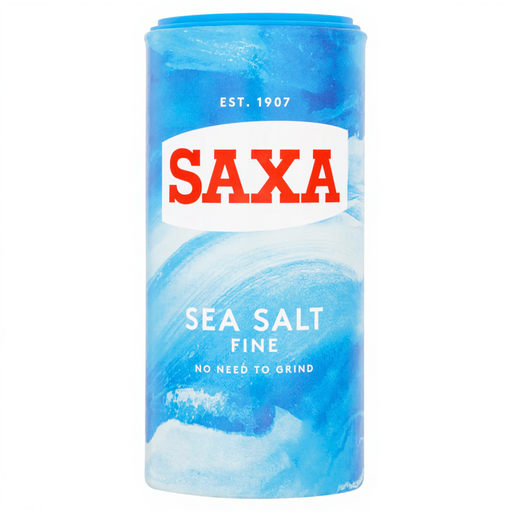
Why This Fits Their Persona: For daily cooking, baking and seasoning, you need a reliable, no-fuss salt that dissolves evenly. This fine sea salt from a trusted British household name is a practical and economical choice for the kitchen workhorse.
It avoids the trap of overpaying for a fancy texture you don't need. This is an honest, straightforward fine sea salt designed for dissolving, not for finishing.
Its fine grain ensures it blends seamlessly into sauces, soups and baking batters without any grittiness. It is 100% natural sea salt with no additives.
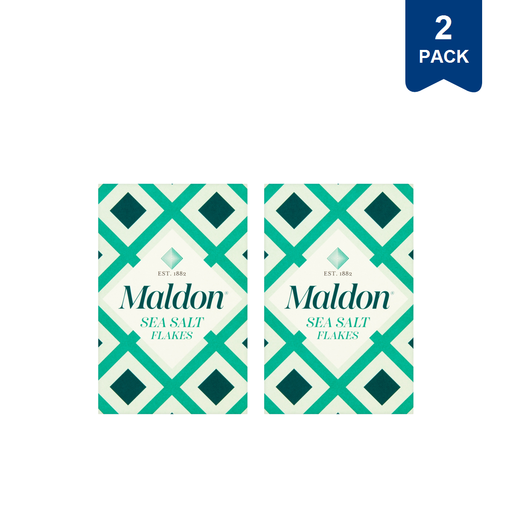
Why This Fits Their Persona: For those who appreciate the final details, a true finishing salt is non-negotiable. Maldon's iconic flakes are designed to elevate a dish with texture and a clean, pure salt flavour just before it reaches the table.
This product is the definition of using the right salt for the right job. It embraces its role as a premium finishing salt, delivering a textural experience that justifies its place in the pantry, separate from everyday cooking salt.
The unique pyramid-shaped sea salt flakes provide a satisfyingly delicate crunch and a clean, non-bitter saline taste. It contains no additives, just pure sea salt.
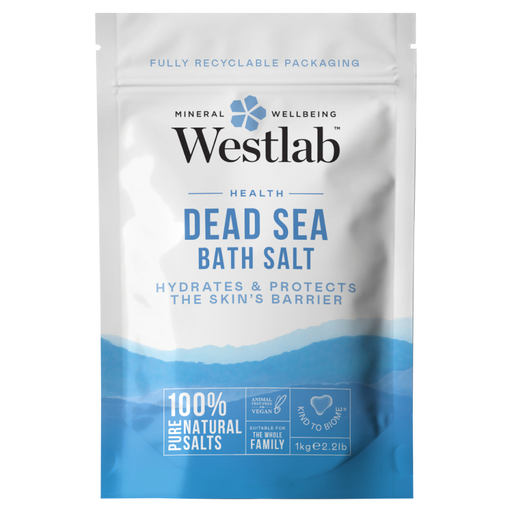
Why This Fits Their Persona: For those seeking the skin-soothing and relaxing properties of a salt bath, the source and mineral content are paramount. This product is specifically for bathing, not eating, and is sourced from the Dead Sea for its mineral profile.
This is not a culinary salt being repurposed. It is 100% pure Dead Sea bath salt (Maris Sal), clearly distinguishing its purpose and preventing you from using an inappropriate or less effective salt for your bath.
It is rich in minerals like magnesium and is dermatologically tested, making it suitable for softening and hydrating skin, including sensitive or eczema-prone types.
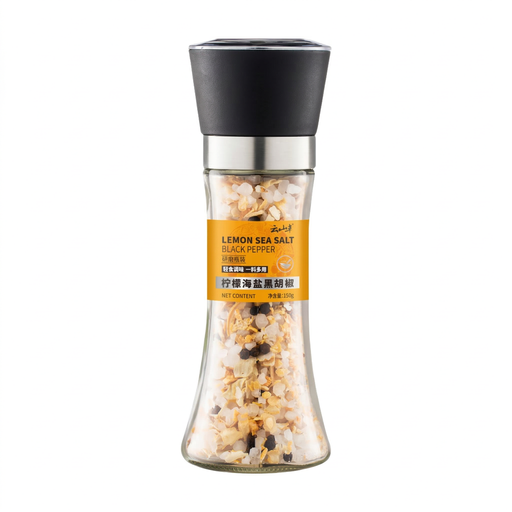
Why This Fits Their Persona: For those who value speed and flavour, a pre-made blend is a kitchen shortcut. This seasoning combines three core flavours—salt, pepper and lemon—into one versatile shaker, perfect for quickly elevating everything from chicken to avocado toast.
Instead of buying three separate ingredients, this offers a balanced, all-in-one solution. It avoids the trap of a bland, one-note seasoning by combining the classic sea salt and black pepper with a bright, zesty lemon note.
This is an extremely versatile all-purpose seasoning. The blend of sea salt, black pepper and lemon powder is ideal for marinating fish and poultry or sprinkling over salads and vegetables.
We have compiled a complete, real-time list of products that fully satisfy these strict selection criteria and UK safety regulations.
1. What is the real difference between sea salt and table salt? The main differences are in the processing, mineral content and texture. Sea salt is produced by evaporating seawater and typically undergoes less processing, which allows it to retain trace minerals like magnesium and potassium that can add subtle flavour notes. Table salt is usually mined from underground deposits and is heavily refined to remove minerals, often with additives like anti-caking agents and iodine.
2. Can I use any sea salt in a grinder? No, you should only use coarse sea salt in a grinder. Fine sea salt will simply fall through the mechanism without being ground. Coarse crystals are large enough to be caught by the grinding mechanism, allowing you to produce freshly ground salt of your desired texture.
3. How should I store sea salt to prevent it from clumping? The key is to store it in a cool, dry place away from moisture and humidity, such as a pantry cupboard rather than right next to the hob. An airtight container is essential. If you live in a particularly damp area, choosing a salt that contains a natural anti-caking agent can be a practical way to ensure it remains free-flowing.