
24/7 Customer Support

Free returns

Same-day & Next-day Delivery

Quality Guaranteed

Unlock Your Welcome Offers: FREE Delivery | Up to 80% OFF | Free 30-day JoyPlus trial
Download the APP
Seafood instant noodles offer a quick cupboard meal when you want more than a plain chicken or vegetable flavour. From Thai tom yum and Vietnamese hot-and-sour shrimp to Korean seafood ramyun and Chinese stir-fried noodles, there is a wide choice of styles, textures and serving formats available to UK shoppers.
However, product names and food photography can make comparison difficult. A noodle labelled “lobster”, “crab” or “seafood” may contain a seasoning powder rather than substantial pieces of seafood. Before buying, check the ingredients, allergen information, preparation method and pack size—not just the image on the front.
Many instant seafood noodles use seafood powder, extract or flavouring in the seasoning sachet. Some include dried shrimp, fish cake, seaweed or vegetables, while others contain no visible seafood pieces. If texture matters to you, look for specific ingredients such as dried shrimp, cuttlefish, crab, mussel or fish flakes rather than relying on the flavour name.
Instant noodle nutrition panels are usually listed per 100g, while a single pack may weigh between 62g and 125g. Salt levels vary across products, and the full sachet contents can make a significant difference to the finished bowl. For example, the listed salt values include approximately 4.4g per 100g for MAMA Shrimp Tom Yum, 5.3g for KOKA Tom Yum and 4.1g for Nongshim Champong Ramyun.
These foods can fit into a varied diet, but they should not automatically be treated as a daily substitute for balanced meals. Consider using only part of the seasoning sachet or adding vegetables and a protein source.
A packet suits hob cooking and allows you to adjust the water and toppings. A cup is more convenient at work, in student accommodation or when kitchen access is limited. Stir-fry noodles require draining and mixing sauce, so they are not interchangeable with soup-style seafood ramen.
Choose the flavour family that matches how you normally eat:
Under UK food labelling requirements, ingredients that are recognised allergens should be clearly emphasised on packaging. Seafood instant noodles may contain several categories, including:
Always read the latest packaging before purchase, particularly if you have an allergy or are buying for someone else. “May contain” statements can differ between batches or markets.
Single packs in this selection range from 62g to 125g, while multipacks provide five individually wrapped servings. Check whether the product needs 350–550ml of boiling water, whether cooking takes three to five minutes, and whether it must be prepared on the hob.
Cup products can be convenient, but follow the package instructions carefully. The Nongshim Big Bowl Shrimp product information specifically states not to use a microwave. Store unopened packs in a cool, dry place away from direct sunlight and check the best-before date on the packaging.
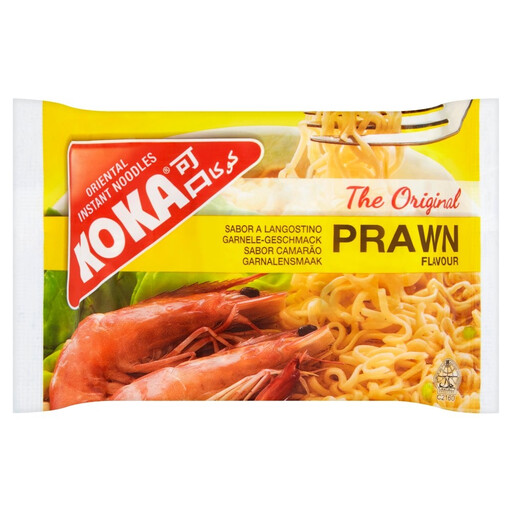
Why This Fits Their Persona: An 85g single pack offers a straightforward way to try prawn noodles without committing to an instant noodle multipack.
The ingredient list identifies prawn powder and clearly lists wheat, crustaceans and soya, helping shoppers check what the seafood flavour represents.
Single 85g serving; preparation requires boiling water and the listed nutrition includes 8.8g protein per 100g.

Why This Fits Their Persona: A larger 125g serving suits shoppers looking for a fuller Korean-style noodle bowl with several seafood and vegetable components.
The listed seasoning includes cuttlefish, crab, mussel, shrimp, fish and clam, while the vegetable seafood flakes add identifiable components beyond the broth.
125g pack size; includes seafood and vegetable flakes; listed protein is 10.5g per 100g.
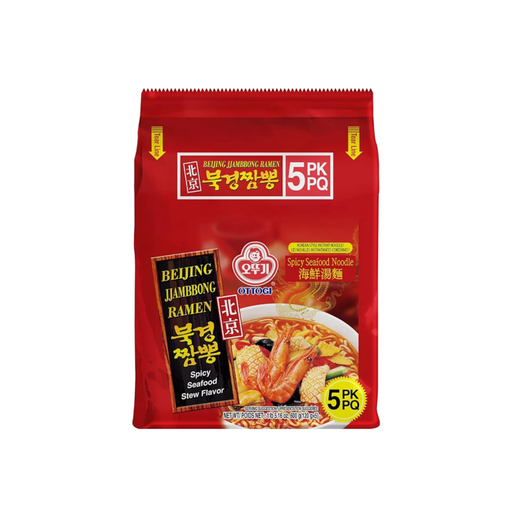
Why This Fits Their Persona: Five 120g servings work for households, shared accommodation or anyone building a convenient cupboard stock.
The product information specifies cuttlefish, shrimp, crab and mussel seasoning, rather than leaving the seafood type unclear.
Five individually usable servings; includes dehydrated seafood and vegetables; listed energy is 394kcal per 100g.
We have compiled a complete, real-time list of products that fully satisfy these strict selection criteria and UK safety regulations.
Instant noodles are convenient, but the seasoning and noodle cake alone may not provide much variety. Add spring onions, pak choi, sweetcorn, mushrooms or frozen vegetables. A boiled egg, tofu or cooked prawns can also change the texture and add protein. For soup noodles, avoid overfilling the pan so the noodles cook evenly.
Always prepare the product with boiling water, follow the stated cooking time and serve piping hot. Do not eat uncooked noodle blocks or raw flour-based ingredients.
Usually not. Many seafood ramen products contain crustaceans or molluscs, and some include several seafood types in one seasoning sachet. Check the bold allergen declaration and “may contain” information on the current pack before buying.
Most packet products take around three to five minutes. MAMA Shrimp Tom Yum uses approximately 350–400ml of boiling water for three minutes, while Nongshim Champong Ramyun lists 550ml and around four and a half minutes. Cup noodles may use a separate standing time, so follow the individual instructions.
A multipack can reduce the cost per serving when you already know you like the flavour and have suitable storage space. Single packs are more practical for comparing Thai, Korean, Chinese, Vietnamese and Japanese-style flavours before committing to five servings. Check the total weight and serving size, not only the headline pack price.