
24/7 Customer Support

Free returns

Same-day & Next-day Delivery

Quality Guaranteed

Unlock Your Welcome Offers: FREE Delivery | Up to 80% OFF | Free 30-day JoyPlus trial
Download the APP
Whether you are preparing chicken wings for a weekend barbecue, making a quick family chilli or adding Caribbean flavour to vegetables, seasoning mixes and spice blends can reduce preparation time. They can also create disappointing results when the packet contains more salt and sugar than expected, lacks clear instructions or does not suit the dish you intended to cook.
This guide explains what to check before buying, how to match a blend to your cooking habits and which options may suit different UK households.
A powder labelled as a chicken wing marinade may need water and oil to form a paste. A dry rub seasoning, by contrast, is generally sprinkled or rubbed directly onto meat, fish or vegetables. Using the wrong method can leave the coating uneven or produce a flavour that is too concentrated.
Always check whether the product is intended for:
Compound seasonings often combine spices with salt, sugar, starches and flavour enhancers. This is not automatically a problem, but it affects how much additional salt or sauce you should use.
For example, the listed salt content varies considerably across products. Dunn’s River Jamaican jerk seasoning lists 40g of salt per 100g, while Bart Cajun Spice Blend lists 22.2g per 100g. McCormick New Orleans Chicken Wing Seasoning lists 31.3g per 100g, alongside 45.5g of sugars per 100g. Treat these products as concentrated cooking ingredients rather than using them like plain paprika or dried herbs.
A 300g jar may be practical for regular barbecues or catering-style cooking, but a smaller 25g–48g sachet or jar can be more suitable if you are testing a flavour. Large packs also need careful sealing, particularly in humid kitchens where powders can clump and lose aroma.
UK food labels list ingredients by weight, generally from the highest quantity to the lowest. If salt or sugar appears near the beginning, the blend may deliver a strong savoury or sweet profile with relatively little seasoning needed.
Check highlighted allergens before serving. Examples in this range include:
Always read the packaging supplied with your order, as recipes and allergen declarations can change.
The name gives an initial indication, but the ingredient list provides more useful detail. A Cajun seasoning commonly includes paprika, chilli, garlic, onion, herbs and pepper. A Jamaican jerk seasoning may include pimento, thyme, chilli and warm spices such as nutmeg or cinnamon.
For Caribbean cooking, Caribbean curry powder is generally used by frying it briefly with onion, garlic or oil before adding the main ingredients. A jerk blend is more suited to a jerk marinade, barbecue rub or roasted meat. Fajita seasoning normally works with sliced meat, vegetables, tacos and enchiladas, while chilli con carne seasoning is designed for minced meat or plant-based alternatives.
Choose a size that matches how often you cook the dish. Resealable jars are convenient for frequent use, while sachets can reduce cupboard clutter.
Store spice blends in a cool, dry place away from direct sunlight and moisture. Follow the stated best-before information and reseal the container after opening. Seasonings containing sugar can brown quickly under high heat, so monitor wings, ribs and barbecue food closely. Meat, poultry and seafood should always be cooked thoroughly according to safe food-handling practice.
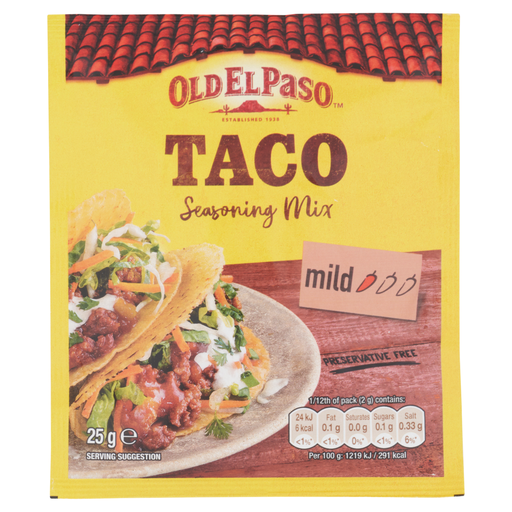
Why This Fits Their Persona: The compact 25g pack suits occasional taco nights, smaller households and cooks who want to try a blend without committing to a large jar.
The stated use is to mix it with cooked minced beef or plant-based alternatives for tacos, so its application is clear rather than relying on vague serving suggestions.
25g quantity; includes paprika, cumin, cayenne, onion, garlic and oregano; no allergens are listed in the supplied details.
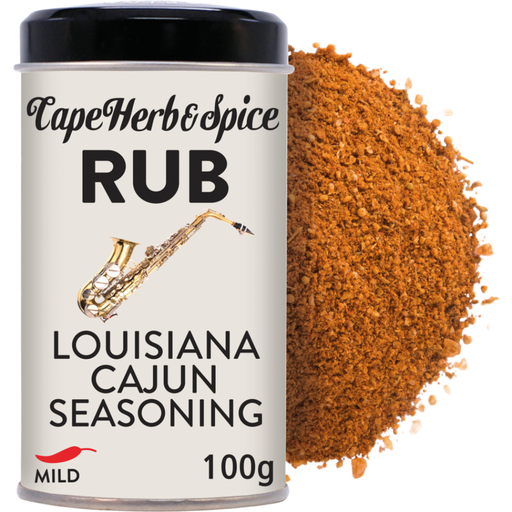
Why This Fits Their Persona: Suitable for cooks who want one clearly defined Louisiana-style rub for meat and seafood, including barbecue cooking and oven roasting.
The ingredients are listed in detail, including mustard, chilli, cumin, garlic and herbs, making the expected flavour and allergen consideration easier to assess.
100g pack; medium spicy profile is stated in the product information; suitable for all cuts of meat and seafood.
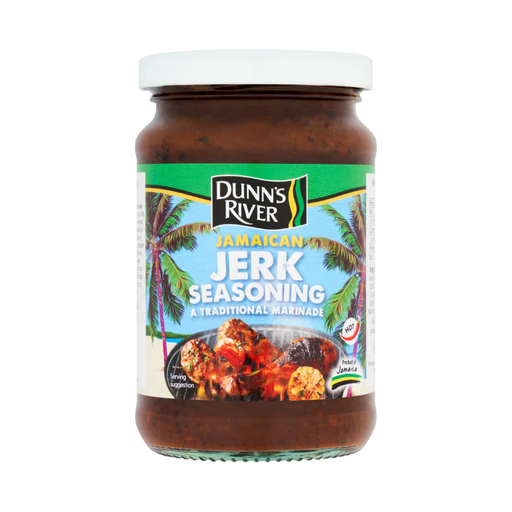
Why This Fits Their Persona: The larger jar is intended for frequent jerk chicken, pork, fish, vegetable and barbecue preparation, making it more practical for regular users.
The supplied information clearly flags its very high salt content, encouraging measured use rather than unrestricted sprinkling.
300g quantity; includes pimento, chilli, thyme, onion and garlic; suitable for grilling, roasting and marinating.
We have compiled a complete, real-time list of products that fully satisfy these strict selection criteria and UK safety regulations.
They can reduce the number of separate jars needed for a particular recipe, which may be useful for occasional cooking. However, compare the net weight, serving quantity and ingredient list rather than judging value from the pack price alone. A larger jar is only economical if you will use it before the flavour declines.
Follow the best-before date and storage guidance on the packaging. Keeping the container tightly sealed in a cool, dry cupboard helps limit moisture and aroma loss. Replace blends if they develop persistent dampness, an unusual smell or visible contamination.
Many blends are suitable for seafood and vegetables, but check the product description first. Cajun rubs and everyday Caribbean seasonings are often versatile, while a dedicated chilli con carne seasoning may be formulated primarily for minced meat or plant-based mince. Adjust the quantity to the ingredient and remember that cooking instructions and allergen details take priority.