
24/7 Customer Support

Free returns

Same-day & Next-day Delivery

Quality Guaranteed

Unlock Your Welcome Offers: FREE Delivery | Up to 80% OFF | Free 30-day JoyPlus trial
Download the APP
Seasoning mixes can make an international recipe easier to prepare, but a colourful packet does not always tell you how the product will perform in your kitchen. The right blend depends on the dish, quantity, preparation method and dietary requirements—not simply the cuisine shown on the front.
For UK shoppers, three common buying traps deserve attention:
A dry meat seasoning or rub is generally sprinkled or massaged directly onto beef, lamb, poultry, seafood or vegetables. A marinade mix may need liquid to create a coating. For example, McCormick Korean Barbecue Seasoning requires the entire 35g sachet to be mixed with 90ml of water before coating meat.
Recipe-specific blends also vary considerably:
Check whether the product is ready to sprinkle, intended to be cooked into a dish or unsuitable for eating before cooking.
A 35g seasoning sachet can be useful for testing a flavour or preparing one family meal. Larger 100g packs are more practical for regular cooking, while a 300g or 600g pack may suit households that prepare jerk chicken, jollof rice or barbecue dishes frequently.
However, larger packaging is not automatically better value. Compare the price per 100g, expected usage and storage space. High-salt products should also be used sparingly, so a large pack may last longer than expected.
UK food labelling requires regulated allergens to be clearly identified in the ingredients list. Depending on the blend, check for:
Salt levels differ widely. The supplied product information lists 64.6g salt per 100g for RAJAH Beef Steak Seasoning, 47g for Cape Herb & Spice Louisiana Cajun Rub and 40g for Dunns River Jamaican Jerk Seasoning. These figures are for the dry product, but they still show why portion control matters.
For food safety, keep seasoning mixes sealed in a cool, dry place, avoid cross-contamination and cook meat thoroughly according to current UK food-safety guidance. Products intended for fermentation, such as a Nam seasoning mix, need particularly careful adherence to the packet instructions.
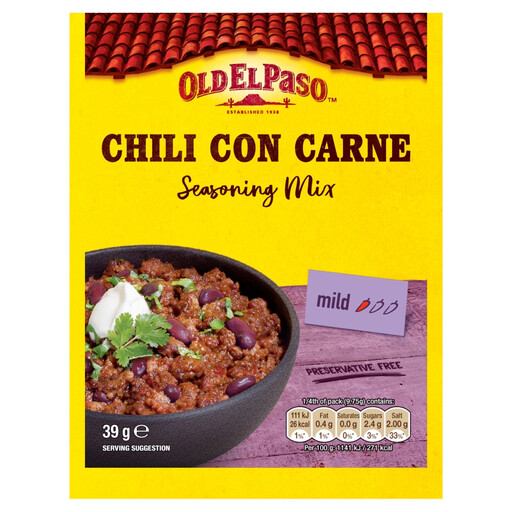
Why This Fits Their Persona: A compact option for cooks who want to prepare chilli con carne without buying several individual spices. The 39g format suits occasional weekday meals and smaller cupboards.
The ingredient list clearly identifies wheat, allowing shoppers to check suitability before purchase rather than relying on the chilli image.
Recipe-specific blend; compact 39g pack; includes paprika, cumin, chilli pepper, black pepper and oregano.
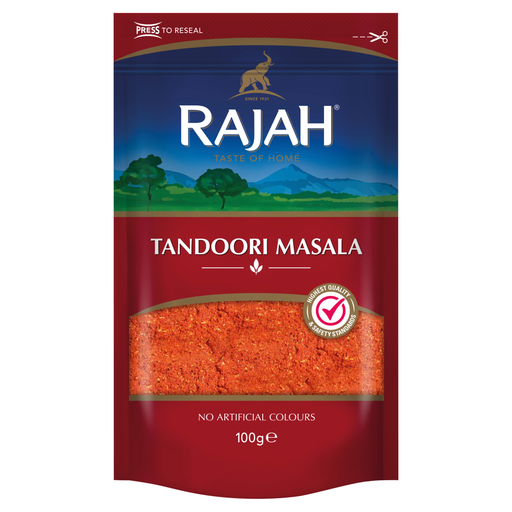
Why This Fits Their Persona: Suitable for cooks who value a defined spice profile and want one blend for tandoori-style chicken, fish or vegetables prepared in an oven or on a grill.
The listed ingredients show coriander, cumin, turmeric, chilli, garlic and warming spices, while the product information states that it is not ready to eat and contains salt.
100g pack; no allergens listed in the supplied information; works with yoghurt-based marinades and cooked dishes.
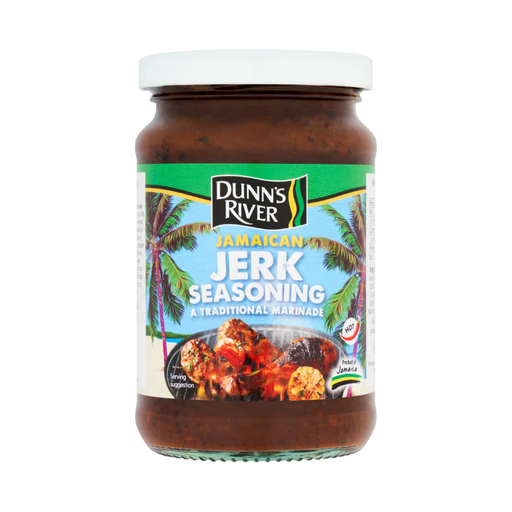
Why This Fits Their Persona: The 300g jar is suited to households that regularly prepare jerk chicken, pork, fish, vegetables or grilled dishes for family meals and gatherings.
The pack size is clearly stated, and the product information flags it as very high in salt and spicy, helping users plan portions rather than over-apply it.
300g jar; includes pimento, chilli, onion, garlic and thyme; suitable for rubs, marinades and grilling.
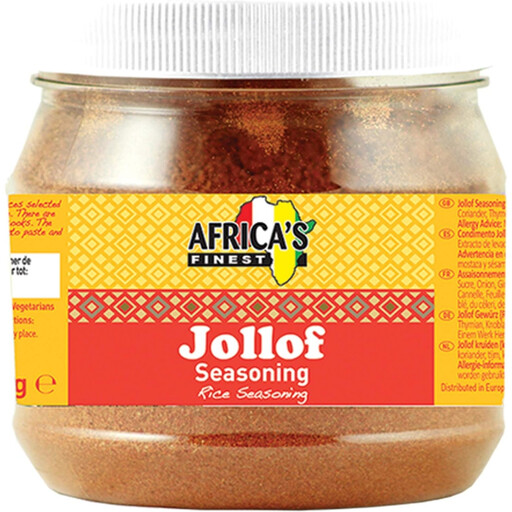
Why This Fits Their Persona: A large-format choice for cooks preparing West African-style rice, stews, soups, grilled meat or vegetables regularly.
The stated 600g quantity makes it easier to compare value for frequent use, while the supplied information identifies salt and factory-handling considerations.
Large 600g pack; includes onion, ginger, garlic, thyme, chilli and bay leaves; listed with no major allergens in the product itself.
We have compiled a complete, real-time list of products that fully satisfy these strict selection criteria and UK safety regulations.
For a straightforward rub, coat the food evenly and rest it for the time stated on the packet. Beef steak seasoning may suit a short 15–30-minute marinade, while overnight resting can produce a more pronounced flavour.
When preparing peri peri seasoning, Cajun seasoning or barbecue seasoning, mix with a small amount of oil or water if the instructions call for a paste. For Korean barbecue seasoning, use the stated liquid ratio so the blend is not overly concentrated.
Specialist products need closer attention. Lobo Laab-Namtok seasoning is intended for cooked minced meat with fresh herbs and lime, while Lobo Nam Powder involves fermentation, refrigeration and thorough cooking. These are not interchangeable with ordinary dry spice blends.
They can reduce the number of separate ingredients needed for one recipe, but value depends on pack price, quantity and how often you use the blend. Compare the price per 100g and check whether you still need additional ingredients.
Follow the best-before information on the packaging and store the product sealed in a cool, dry place away from sunlight and moisture. Transfer open powder to an airtight container if the original packet does not reseal securely. Discard it if you notice an off odour, discolouration or persistent moisture-related caking.
Many can. Products such as barbecue seasoning, tandoori masala, Cajun seasoning and jerk seasoning can be applied to vegetables or tofu, provided the preparation instructions are suitable. Check the salt level and adjust the amount to the rest of the recipe.