
24/7 Customer Support

Free returns

Same-day & Next-day Delivery

Quality Guaranteed

Unlock Your Welcome Offers: FREE Delivery | Up to 80% OFF | Free 30-day JoyPlus trial
Download the APP
Choosing seasoning spices should make cooking easier, not leave you with a cupboard full of jars that taste too similar. UK shoppers often compare colourful packaging, large quantities and phrases such as “authentic” or “all-purpose”, yet the label usually tells you more about how a product will perform.
Whether you need an all-purpose seasoning for weekday meals, Jamaican jerk seasoning for barbecues, curry powder for stews or garlic powder for marinades and spice rubs, use the following checks before buying.
A bigger pack may appear economical, but many seasoning blends contain a high proportion of salt, sugar or flour. This means you may use less actual spice per serving than expected. Compare ingredients and salt per 100g, rather than judging value by pack size alone.
For example, Dunn’s River Jamaican Jerk Seasoning is supplied in a 300g jar and is designed for frequent use. Its label lists salt at 40g per 100g, so it should be applied sparingly and used in place of some added salt in a recipe.
Blends can contain ingredients that are easy to overlook, including celery, mustard, wheat, milk, soya and sulphites. A product that appears to be a simple curry powder or chicken seasoning may include several allergenic ingredients.
Always check the current packaging before purchase, particularly when buying Cajun seasoning, Caribbean seasoning or mixed spice blends. Recipes and packaging can change.
“Hot” does not describe the complete flavour profile. A hot curry powder may contain mustard, fenugreek and chilli, while peri peri seasoning commonly combines chilli with garlic, herbs, sugar and citric acid. If you want flexibility, keep both hot and mild spice blends available so that heat can be adjusted for different diners.
Single-ingredient products offer greater control. Garlic powder, for instance, can be added to soups, sauces, roasted vegetables, marinades and rubs without introducing extra salt. By contrast, a ready-made chicken seasoning or all-purpose seasoning may already contain salt, flavour enhancers and anti-caking agents.
For targeted dishes, choose a blend designed for the ingredient:
Nutrition tables are especially useful for comparing blends. Some all-purpose seasonings list salt levels above 40g per 100g, while chicken seasoning can be higher still. Use these products as concentrated flavourings, and reduce extra salt in the recipe.
Sugar can also feature prominently in jerk and peri peri seasoning. This may help create browning during grilling, but it can also affect the flavour of delicate foods. For more control, use a pure spice such as garlic powder alongside fresh herbs, black pepper or chilli.
Spices gradually lose aroma when exposed to moisture, heat, light and air. Look for a resealable bag or a jar with a secure lid. Store opened products in a cool, dry cupboard away from the hob, kettle and sink. A clean, dry spoon helps prevent clumping and contamination.
Check the best-before information on the physical packaging. Dry spices may remain usable beyond their most aromatic period, but fading colour, weak aroma or damp clumps indicate reduced quality.
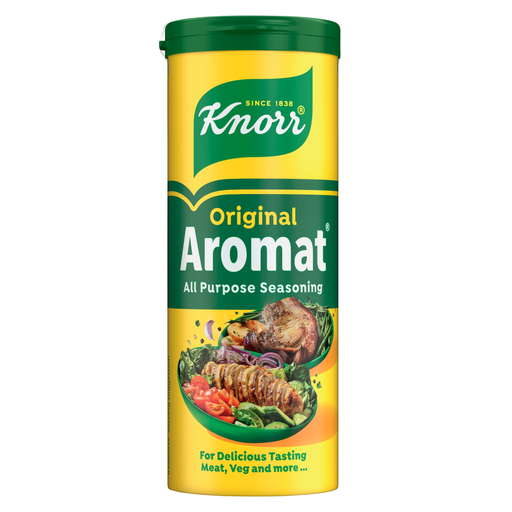
Why This Fits Their Persona: A compact everyday option for cooks seasoning vegetables, rice, pasta, salads, meat and poultry without buying several specialised blends.
The listed ingredients and nutrition panel make its salt, dairy and wheat content visible before purchase, helping shoppers avoid assuming it is a pure herb blend.
90g format; suitable for cooking or table seasoning; includes onion, garlic powder, turmeric and other spices.
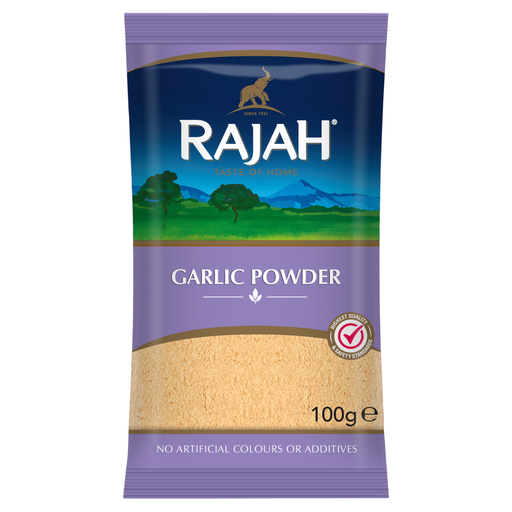
Why This Fits Their Persona: Suitable for shoppers who prefer a single, clearly defined ingredient for precise control over marinades, sauces, soups and roasted vegetables.
The ingredients list contains garlic only, avoiding the hidden salt, sugar and allergen considerations found in many prepared seasoning mixes.
100g pack; no listed allergens; useful in cooking spices, rubs and everyday recipes.
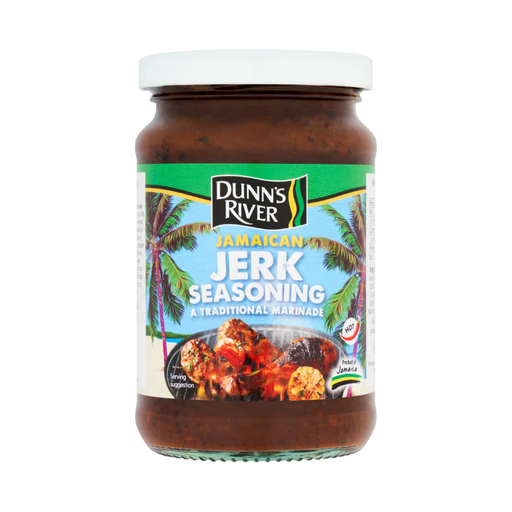
Why This Fits Their Persona: A larger format for regular grilling, roasting and marinating of chicken, pork, fish or vegetables.
The 300g quantity suits repeated use, while the listed salt and chilli content signals that measured portions are important.
Contains pimento, chilli, thyme, onion and garlic; suitable for marinades and dry rubs; resealable jar storage.

Why This Fits Their Persona: A practical choice for households wanting fragrant curry powder with gentler heat for curries, soups, stews and rice dishes.
Its mild positioning helps avoid selecting a hot blend accidentally; the ingredient list also clearly identifies mustard and possible cross-contact ingredients.
100g pack; contains coriander, turmeric, cumin, fenugreek and ginger; suitable for vegetarian recipes.
We have compiled a complete, real-time list of products that fully satisfy these strict selection criteria and UK safety regulations.
An all-purpose seasoning can work with vegetables, rice, pasta, soups, meat and poultry. Check its salt level first, as many blends are salt-based. For maximum control, combine a low-salt or single-ingredient product such as garlic powder with herbs and freshly ground pepper.
Keep them in a tightly sealed container in a cool, dry, dark cupboard. Avoid storing seasoning spices above the hob or beside the sink, where heat and steam can cause aroma loss and clumping. Use a dry spoon and follow the best-before guidance on the pack.
Most dry blends are intended to be added to cooked dishes, marinades or rubs rather than eaten directly from the pack. Follow the product instructions, cook meat thoroughly and check allergen information before serving.