
24/7 Customer Support

Free returns

Same-day & Next-day Delivery

Quality Guaranteed

Unlock Your Welcome Offers: FREE Delivery | Up to 80% OFF | Free 30-day JoyPlus trial
Download the APP
A well-stocked pantry of seasonings and condiments is the secret to transforming simple meals into memorable dishes. Yet, navigating the aisles, both physical and virtual, can be a challenge. With countless options from classic Heinz ketchup to exotic Asian seasonings, it's easy to end up with a cupboard full of bottles that don't deliver on their promise. As the Joybuy Product Recommendation Officer, my role is to help you see past the marketing and choose products that truly elevate your cooking.
Before you add another jar to your basket, let's look at a few common pitfalls that lead to disappointment and wasted money.
To make sure you're getting value and flavour, focus on what's inside the bottle. Here are two non-negotiable checks to perform before purchasing any seasonings or condiments.
The ingredient list is your most reliable source of information. In the UK and EU, ingredients must be listed in descending order of weight. This tells you what the product is mostly made of. For sauces and condiments, look for the Quantitative Ingredient Declaration (QUID). This tells you the percentage of key ingredients mentioned in the product name.
For example, if you're buying a plum sauce, the QUID will state the percentage of plums. A higher number generally indicates a more flavourful, higher-quality product. For a spicy hot pot dipping sauce, check the percentage of chilli and other primary flavourings like sesame or Sichuan pepper. This simple check helps you determine if you're buying genuine flavour or just sugar, water and thickeners.
Not all seasonings are created equal. It's important to match the product to its intended culinary purpose.
To help you find the right product for your kitchen, we've matched a few standout options from our collection to different cooking styles and needs.
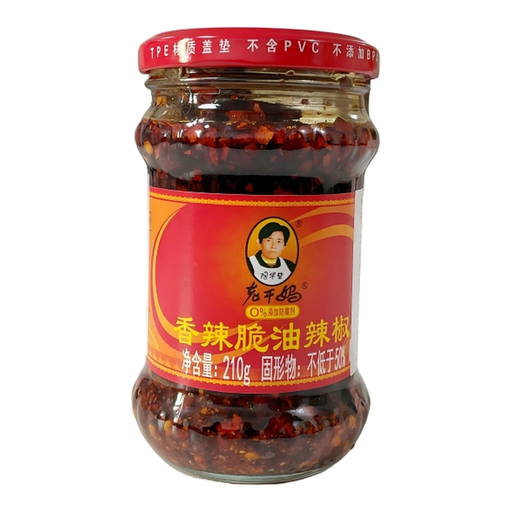
Why This Fits Their Persona: For those looking to explore authentic Chinese spices, this is an iconic starting point. It's a versatile condiment that adds a complex, savoury heat and crunchy texture to everything from noodles and rice to eggs and steamed vegetables.
This is the antithesis of the "authentic flavour" illusion. It delivers a genuine, layered taste with fermented soybeans and Sichuan pepper, not just one-dimensional heat. The QUID shows 20% chilli flakes, ensuring you're getting substance, not just flavoured oil.
Provides both flavour and texture with its crispy chilli, peanuts and soybeans. Incredibly versatile as a finishing condiment.

Why This Fits Their Persona: Ideal for households looking to reduce sugar and salt intake without giving up a family-favourite condiment. It provides the familiar taste of Heinz ketchup but aligns with healthier eating habits.
This product directly counters the "hidden salt and sugar" trap common in many processed sauces. The nutritional information is clear: just 0.05g of salt per 100g, a massive reduction from the standard version, making it a genuinely considered choice.
Made with a high concentration of tomatoes (200g per 100g of ketchup) for a rich flavour. Uses a sweetener from a natural source (Sucralose) instead of added sugar.
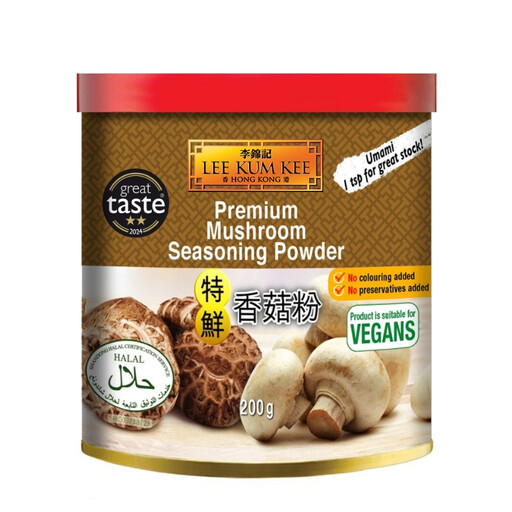
Why This Fits Their Persona: Perfect for vegetarian, vegan or any cook wanting to add a deep, savoury flavour to dishes without meat broths or MSG. This umami powder is a powerful flavour enhancer for soups, stir-fries and marinades.
It avoids the "all-purpose salt trap" by delivering a concentrated mushroom flavour. The ingredient list is clear: 45% mushroom powder and 10% mushroom extract are the stars, ensuring you're paying for flavour, not just salt and fillers.
A versatile and potent plant-based flavour enhancer. Can be used as a direct substitute for salt, chicken bouillon or MSG to add a clean, savoury taste.
We have compiled a complete, real-time list of products that fully satisfy these strict selection criteria and UK safety regulations.
1. How should I store Asian seasonings like chilli oil and soy sauce? Most shelf-stable sauces like soy sauce are fine in a cool, dark cupboard before opening. After opening, it's good practice to refrigerate them to preserve their flavour, especially for naturally brewed or less-processed varieties. For chilli oils, check the label. Many are fine in the cupboard, but refrigeration can prolong their freshness, though the oil may solidify and need to be brought to room temperature before use. Always seal containers tightly.
2. What is the difference between a seasoning powder and a stir fry sauce? A seasoning powder, like cumin or a mushroom-based umami powder, is typically a dry, concentrated ingredient used to build a flavour base. You control the liquid and other components. A stir fry sauce is a complete, pre-mixed liquid condiment containing a balance of salty, sweet and savoury elements (like soy sauce, sugar and garlic). It's designed for convenience, offering a quick way to flavour a dish with minimal effort.
3. Are BBQ rubs only for barbecuing? Not at all. While BBQ rubs are formulated to create a flavourful crust on grilled or smoked meats, their spice blends are incredibly versatile. You can use them to season roasted vegetables, mix them into mince for burgers, sprinkle them on chips or even add them to a stew for a smoky, spicy depth of flavour.