
24/7 Customer Support

Free returns

Same-day & Next-day Delivery

Quality Guaranteed

Unlock Your Welcome Offers: FREE Delivery | Up to 80% OFF | Free 30-day JoyPlus trial
Download the APP
A well-chosen seasoning can make weekday cooking quicker, while the wrong jar may leave you with an overly salty dish, a flavour that does not suit your recipe, or more product than you can use before it loses its aroma. This guide explains what to check when buying seasonings and cooking sauces in the UK, from Jamaican jerk seasoning and curry powder to marinades, stock pots and gravy sauce.
Many all-purpose seasoning products use salt, flavour enhancers and sugar as their main ingredients. This can create an immediate savoury taste, but it may also make it difficult to control the final salt level of a meal.
For comparison, some listed products contain between 40g and 77.5g of salt per 100g. That does not mean the products cannot be useful, but they should be added carefully. Check the serving guidance and reduce additional salt in the recipe until you have tasted the dish.
Bulk seasoning can suit restaurants, caterers and families who cook frequently, but a 1kg container may be impractical for occasional use. Ground spices and spice blends gradually lose aroma after opening, particularly if stored near a cooker or exposed to moisture.
Smaller packs are often more suitable for trying Chinese five spice, Cajun seasoning, Caribbean seasoning or a new curry powder. Larger packs make more sense when the product is already part of your regular cooking routine.
A curry paste, stock product or concentrated seasoning is not necessarily a finished sauce. For example, Massaman curry paste requires cooking with oil and coconut milk, while some seasoning mixes are intended for marinating or thorough cooking.
Read the preparation instructions before buying. This is especially important for products involving raw meat, fermentation or seafood ingredients.
UK food labels should identify allergens clearly, but recipes and packaging can change, so check the current label before use. Relevant allergens in this category may include:
If you are cooking for guests, do not rely on the product name alone. Read the bold allergen information and any “may contain” statement.
Choose the product type according to how you cook:
Check the net quantity, recommended serving size and storage instructions rather than comparing prices alone. A small jar with a lower price may cost more per 100g than a larger pack.
Dry products should generally be kept sealed in a cool, dry place. Refrigerate sauces and pastes after opening when the label instructs you to do so. Ready-made gravy should also be refrigerated after opening and used within the stated period.
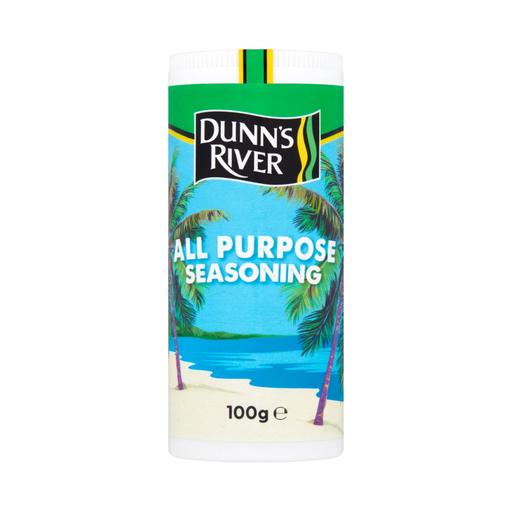
Why This Fits Their Persona: A practical 100g option for UK households wanting one Caribbean-style blend for meat, poultry, seafood, vegetables, soups and stews.
The modest pack size avoids committing to bulk seasoning before you know how often you will use it. Its stated salt level is 45g per 100g, so measured use is important.
100g container; suitable for a broad range of everyday dishes; contains celery, with other possible allergens listed on the product information.
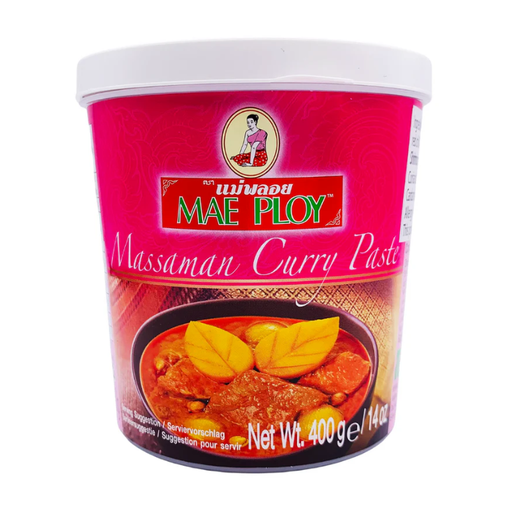
Why This Fits Their Persona: Suitable for cooks who want a concentrated Thai curry base with lemongrass, galangal, shallot, cumin, coriander, cardamom and other listed spices.
It clearly requires cooking rather than being treated as a ready-to-eat sauce. The label identifies shrimp paste, making the crustacean allergen easy to consider before purchase.
400g format; made in Thailand; usage guidance suggests combining 50g paste with oil, coconut milk and chosen ingredients.
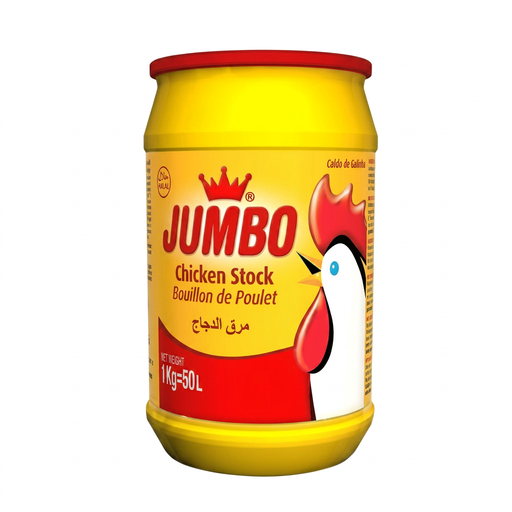
Why This Fits Their Persona: Designed for restaurants, caterers and households that prepare chicken frequently through grilling, roasting, frying, stewing or marinating.
The large pack is appropriate only where turnover is high, reducing the risk of buying a format that sits unused. The product instructions provide measured ratios for marinades and stews.
1kg net content; stated usage of 20g per 100g chicken for marinating; suitable for repeated batch cooking.
For smoky heat, compare a 100g or 300g Jamaican jerk seasoning according to your usage. The larger Dunn’s River pack suits frequent grilling and catering, while the smaller format is easier to store.
For lighter, varied cooking, Morrisons Cajun Seasoning, RAJAH Mild Madras Curry Powder, McCormick Five Spices Powder and Bart Baharat Spice Blend cover Cajun, Indian, Chinese and Middle Eastern-inspired recipes. Kikkoman Teriyaki Marinade offers a liquid option for stir-fries, vegetables and barbecued food.
Stock pots and gravy sauce solve a different problem. Knorr Rich Beef Stock Pots can be dissolved into stock or added directly to stews and sauces, while Potts Chicken, Thyme & White Wine Gravy is designed for roast chicken and contains sulphites and celery.
We have compiled a complete, real-time list of products that fully satisfy these strict selection criteria and UK safety regulations.
Seasoning is usually a dry blend or concentrated paste used to build flavour during cooking. A cooking sauce or marinade generally contains liquid and may be used to coat, simmer or glaze ingredients. Always check whether the product requires dilution or cooking.
Keep dry spice blends tightly sealed in a cool, dry cupboard away from steam and direct heat. Refrigerate opened curry paste, marinade or gravy when the label says to do so. Use clean, dry utensils to reduce moisture entering the container.
They can be economical for restaurants, caterers and large households that use them regularly. For occasional home cooking, calculate the price per 100g and consider how quickly the product can be used while its aroma remains appealing.