
24/7 Customer Support

Free returns

Same-day & Next-day Delivery

Quality Guaranteed

Unlock Your Welcome Offers: FREE Delivery | Up to 80% OFF | Free 30-day JoyPlus trial
Download the APP
Buying seasonings and spice mixes should make cooking easier, not leave you with an unused jar, an unexpectedly salty meal or a product that does not suit your recipe. UK home cooks now have access to everything from all-purpose seasoning and garlic powder to curry paste, Jollof spice, Cajun seasoning and Korean BBQ sauce. The choice is useful, but product labels and marketing descriptions can make comparison difficult.
This guide focuses on the details that matter when selecting cooking spices, spice blends, marinades and sauces for everyday meals.
An all-purpose seasoning may work with vegetables, rice, pasta, meat and poultry, but it may also contain celery, wheat, milk, soya or mustard. Some blends also include flavour enhancers and a high proportion of salt.
Always read the ingredients and allergen information rather than relying on the product name. For example, Knorr All Purpose Savoury Seasoning contains celery, milk and wheat, while Dunns River All Purpose Seasoning contains celery and may contain several other allergens.
Curry paste and dry chilli powder are cooking ingredients, not necessarily finished foods. A curry paste usually needs frying with oil before adding coconut milk, vegetables or protein. Some seasoning powders must also be cooked thoroughly before serving.
Korean BBQ sauces are more flexible: they can be used for marinating, glazing or dipping, but raw meat still needs to be cooked safely. Check the instructions for refrigeration after opening and recommended use periods.
A 400g pack of chilli powder or a 500g jar of sauce may represent useful value for a household that cooks regularly. For occasional cooks, however, a smaller pack can help reduce waste and preserve aroma. Ground spices gradually lose fragrance after opening, particularly when exposed to heat, light or moisture.
Ingredients are listed by weight, so the first items give a practical indication of the blend’s composition. Salt, sugar or flour appearing near the beginning may affect how you use the product.
Look for allergens highlighted on the UK label. This is especially important with:
Always check the packaging at the time of purchase, as formulations can change.
Seasoning products vary considerably. Knorr Aromat Original lists 58g of salt per 100g, while Cape Herb & Spice Louisiana Cajun Seasoning lists 47g per 100g. This does not indicate the amount used in one serving, but it shows why these products should be added gradually.
Sauces can contain more sugar than dry blends. CJ Beef BBQ Sauce lists approximately 20.5g of sugar per 100g, while CJ BBQ Pork Sauce lists approximately 35g per 100g. These sauces are designed to provide a sweet, savoury glaze, so you may not need additional sugar or honey in the recipe.
Choose the format that matches your cooking routine:
Keep dry spices sealed in a cool, dry cupboard. Refrigerate opened sauces and curry pastes according to the label.
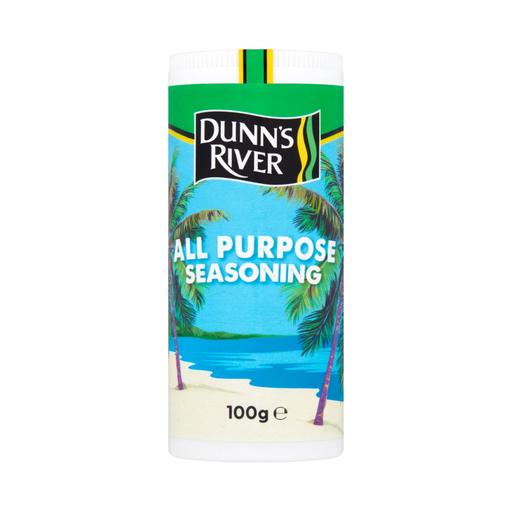
Why This Fits Their Persona: A practical starting point for UK cooks who want one Caribbean-style blend for meat, seafood, vegetables, soups and stews.
Its listed uses are broad, but the product information also identifies it as a high-salt seasoning, helping shoppers use it sparingly rather than adding it like a low-salt herb mix.
100g container; includes garlic, onion, turmeric and spices; suitable for several everyday meal types.
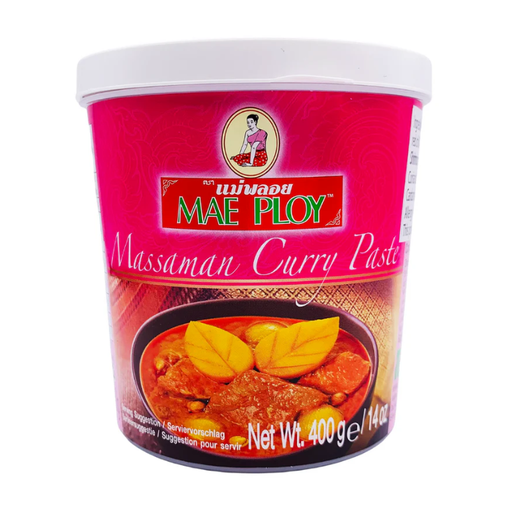
Why This Fits Their Persona: Suitable for cooks who want a concentrated Thai flavour base for slow-cooked beef, lamb, chicken or vegetable curries.
The instructions clearly state that it must be cooked and refrigerated after opening, avoiding confusion between a curry base and a ready-to-eat sauce.
400g jar; includes lemongrass, galangal, coriander seed, cumin, cardamom and cinnamon; contains shrimp, which is clearly relevant for allergen checks.

Why This Fits Their Persona: Designed for BBQ lovers and batch cooks who want one Korean-style sauce for marinating, grilling, glazing and dipping.
The product information specifies its uses and highlights soya, wheat and possible sesame traces, while also noting refrigeration after opening.
500g jar; suitable for beef, pork, chicken and vegetables; can be used directly for dipping or as a cooked glaze.
We have compiled a complete, real-time list of products that fully satisfy these strict selection criteria and UK safety regulations.
For a dry garlic flavour without peeling or chopping, RAJAH Spices Garlic Powder 100G contains garlic as its listed ingredient and suits marinades, soups, sauces and roasted vegetables. For stronger heat, RAJAH Spices Chilli Powder 400G is intended for curries, stir-fries and marinades, but contains soya and should be cooked before serving.
Cooks exploring world food seasonings can also consider:
A seasoning mix often combines spices with salt, sugar, flour, flavour enhancers or other ingredients. A spice blend is generally a mixture of ground herbs and spices, although it may also contain salt. The ingredient list gives the clearest answer.
Store dry powders in sealed containers away from sunlight, steam and heat. Keep curry pastes and marinades in the fridge after opening when instructed on the label. Use clean, dry utensils to reduce moisture and clumping.
Not usually. Curry powder is dry and is added directly to recipes or toasted with other ingredients. Curry paste contains moist ingredients such as chilli, garlic, lemongrass or galangal and usually needs frying or simmering. They can produce different textures, strengths and cooking times.