
24/7 Customer Support

Free returns

Same-day & Next-day Delivery

Quality Guaranteed

Unlock Your Welcome Offers: FREE Delivery | Up to 80% OFF | Free 30-day JoyPlus trial
Download the APP
Seaweed products can add savoury depth, texture and convenience to everyday meals, but choosing the right format is not always straightforward. A packet labelled as a snack may require refrigeration after opening, while dried kelp can look like a quick ingredient but needs soaking and cooking before it is suitable to eat.
For UK shoppers comparing Japanese seaweed, Chinese seaweed, wakame seaweed and kelp, the main risks are usually practical rather than cosmetic. Check these common pitfalls before buying.
Dried wakame seaweed, dried kelp and kelp strips generally require preparation. They may need rinsing, soaking and cooking before being added to soups, salads or hot pots. Eating them straight from the packet can result in an unpleasant texture and may not follow the product’s instructions.
By contrast, ready-to-eat seaweed is already seasoned or cooked. It is suitable for eating directly, but it may contain more salt, sugar, oil or flavourings than plain dried seaweed.
Dried seaweed expands considerably after soaking, so a small-looking packet can provide several portions. However, a large pack of ready-to-eat seaweed may include sauce, water or oil, rather than the same quantity of plain seaweed.
Compare the net weight, preparation method and intended serving size, rather than relying on packet dimensions or promotional wording.
Once opened, dried seaweed should be protected from moisture and sealed tightly. Ready-to-eat products may need refrigeration and prompt consumption. Seasoned products can also contain soybeans, wheat, sesame or sulphites, even when the seaweed itself is naturally simple.
Always read the ingredients and allergen statement, particularly when buying Japanese seaweed snacks, spicy kelp knots or seaweed salad.
Look for clear wording such as:
For example, plain kelp knots are designed for soups, stews, hot pots, salads and stir-fries after soaking. They are not equivalent to a ready-to-eat snack.
Different varieties suit different dishes:
The cut affects preparation time and texture, so choose according to the meals you regularly cook.
Plain dried wakame may contain only wakame and salt, while seasoned seaweed snacks can include soy sauce, chilli oil, sugar, vinegar, sesame oil, preservatives and flavour enhancers.
Nutrition panels in the supplied products show that salt levels vary widely. Some plain or preserved seaweed products list naturally high salt values, while seasoned snacks may also contain added sauces and flavourings. If you are monitoring salt or iodine intake, compare labels and follow relevant dietary advice rather than assuming that “sea vegetable” automatically means a product is suitable for every diet.
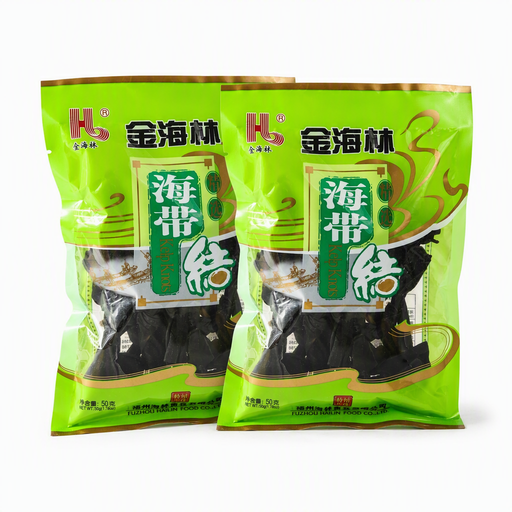
Why This Fits Their Persona: Two 50g packs give new cooks a manageable way to try kelp in soups, hot pots, salads and stir-fries without committing to a larger format.
The listing states that it requires soaking and cooking, so it is not misleadingly presented as a snack that can be eaten straight away.
Single-ingredient kelp; supplied as two 50g packs for easier storage and portioning.
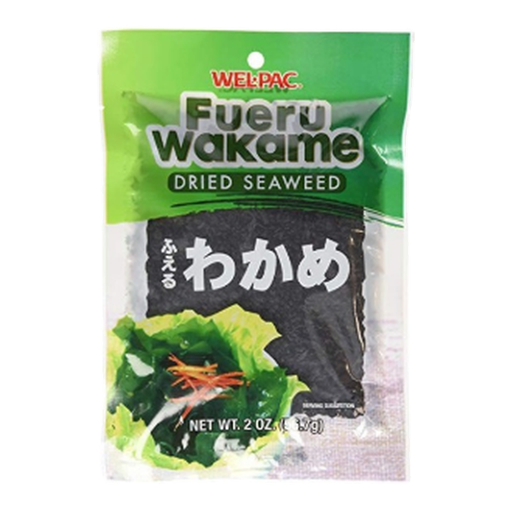
Why This Fits Their Persona: A focused dried wakame option for shoppers preparing Japanese-style soups, ramen, salads or garnishes and wanting an ingredient rather than a flavoured snack.
It is clearly described as dried wakame that must be rehydrated, helping buyers avoid confusing an ingredient with ready-to-eat seaweed.
Contains dried wakame seaweed as the listed ingredient; suitable for soups and salads after preparation.
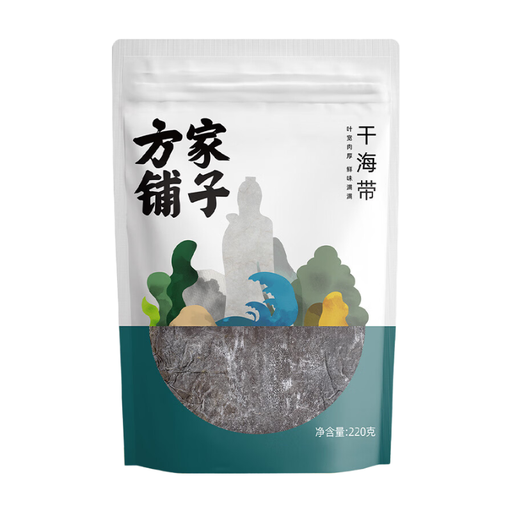
Why This Fits Their Persona: The 220g pack suits regular home cooks who make broths, stews or hot-pot dishes and need a versatile dried kelp ingredient.
The instructions specify rinsing, soaking and cooking, making the preparation requirements clear before purchase.
220g net quantity; suitable for boiling, steaming, stewing and soup preparation.
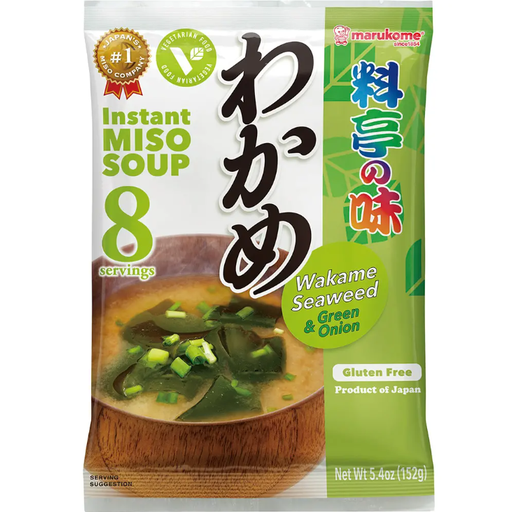
Why This Fits Their Persona: Eight individual servings offer a quick option for work-from-home lunches, light meals or a warm side dish without measuring soup ingredients.
The product is portioned for instant preparation and is described as vegetarian, with kelp and shiitake extracts used in the soup base.
Eight servings per 152g pack; includes wakame, fried tofu and spring onion garnish.
We have compiled a complete, real-time list of products that fully satisfy these strict selection criteria and UK safety regulations.
Keep unopened dried seaweed in a cool, dry place away from moisture and direct sunlight. After opening, reseal the packet or transfer it to an airtight container. Moisture can cause clumping and affect texture.
For ready-to-eat seaweed snacks and salads, follow the label carefully. Some products should be refrigerated after opening, while frozen seaweed salad must remain at -18°C or below until defrosting. Do not treat a frozen product as ambient-stable simply because it is sold in a sealed packet.
Usually not. Dried wakame should generally be soaked until it expands, drained and then added to a recipe or served according to the packet instructions. Check the individual product label, as preparation requirements vary.
Unopened shelf life depends on the best-before date printed on the packaging. Dried products can retain quality when kept sealed and dry, but should be used promptly after opening. Ready-to-eat products commonly require refrigeration and should be consumed within the period stated on the label.
That depends on the ingredients and your dietary needs. Compare salt, sugar, oil and allergen information before choosing. Plain dried seaweed gives you more control over seasoning, while ready-to-eat seaweed offers convenience but may contain sauces, preservatives or flavour enhancers.