
24/7 Customer Support

Free returns

Same-day & Next-day Delivery

Quality Guaranteed

Unlock Your Welcome Offers: FREE Delivery | Up to 80% OFF | Free 30-day JoyPlus trial
Download the APP
Tired of plain rice and lacklustre noodles? Many of us who enjoy cooking at home find ourselves looking for simple ways to add a burst of authentic flavour without spending hours in the kitchen. A sprinkle of the right topping can transform a simple dish into something far more exciting, and that's where seaweed seasoning comes in.
As a Joybuy Product Recommendation Officer, my role is to help you navigate the options available. This guide is designed to provide practical advice on choosing a high-quality seaweed seasoning, whether you're a fan of Japanese or Korean cuisine. We will look at what makes a great seasoning and highlight a few standout products that can effortlessly elevate your everyday meals.
Finding the right seaweed seasoning is about matching the flavour profile and texture to your personal taste and intended use. Here are a few points to consider before you buy.
While often grouped together, there are subtle differences between the main types of seaweed seasoning.
Seaweed seasonings come in a wide array of flavours. Are you looking for a classic umami taste, a smoky barbecue kick or a fiery chilli hit?
The texture contributes significantly to the overall experience. Some seasonings are fine and powdery, blending seamlessly into dishes. Others contain larger, crispier flakes that add a satisfying crunch. If you plan to use it as a topping for salads or soups, a flakier texture might be more desirable.
Here are our recommendations for seaweed seasonings that offer great flavour and convenience for home cooks.
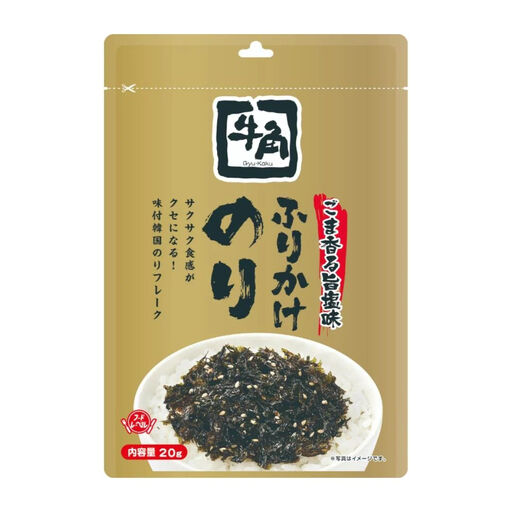
Why It Stands Out This furikake is inspired by the signature flavours of the Gyu-Kaku Japanese BBQ restaurant chain. Its flavour, known as "Goma Kaoru Umashio" (Sesame Scented Savoury Salt), delivers a rich, savoury profile enhanced with corn, sesame and olive oils for an authentic yakiniku-style taste.
Pros
Who is it for? This is an excellent choice for anyone seeking an authentic Japanese rice topping to replicate the taste of a Japanese BBQ restaurant at home. It's particularly well-suited for flavouring steamed rice and onigiri.

Why It Stands Out This jaban from Kimnori delivers a bold, fiery kick alongside a satisfyingly crisp texture. Made with 75% premium seaweed, it's roasted and infused with a zesty chilli flavour, making it a standout spicy seaweed snack. It is also Halal certified, making it accessible to a wider audience.
Pros
Who is it for? Perfect for those who love spicy food and are looking for a versatile product that functions as both a ready-to-eat snack and a crunchy topping for rice, noodles and soups.
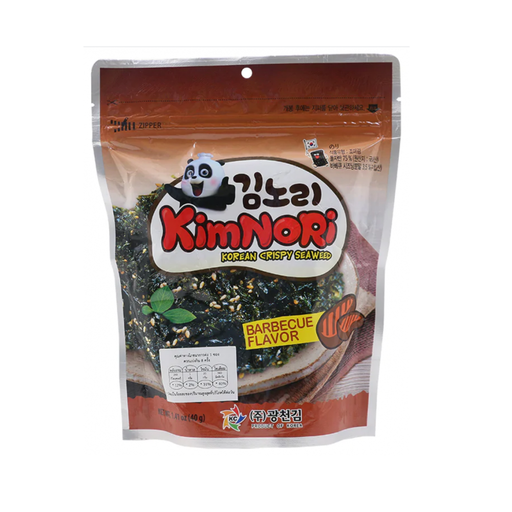
Why It Stands Out This product brings the popular taste of Korean BBQ seasoning to your pantry in a convenient, flaky format. The blend of savoury seasonings, a hint of sugar and sesame oil creates a sweet and smoky umami profile that is highly versatile.
Pros
Who is it for? This is a great option for anyone who loves the distinctive flavour of Korean BBQ and wants a quick and easy way to incorporate it into their daily cooking.
These ready-to-use seasonings are a fantastic shortcut to flavour. However, if you're interested in exploring the foundational ingredient itself or wish to create your own custom blends, you may want to browse our wider selection.
Discover a variety of options in our dry kelp category to start your culinary experiments.
1. What is seaweed seasoning used for? Seaweed seasoning is a highly versatile condiment. It is most commonly used as a rice seasoning to add flavour and texture to plain steamed rice. It is also an essential ingredient for making onigiri (Japanese rice balls), a topping for noodles and soups, a garnish for salads and a flavour enhancer for bibimbap.
2. What is the difference between Japanese furikake and Korean jaban? The main difference lies in preparation and texture. Furikake is a dry Japanese seasoning mix, often containing ingredients like dried fish flakes alongside seaweed. Jaban is a Korean-style product where the seaweed is typically roasted with oil, resulting in lighter, crispier seasoned seaweed flakes that can also be eaten as a snack.
3. Can you eat seasoned seaweed flakes on their own? Yes, absolutely. Korean-style jaban is often designed to be eaten straight from the packet as a light and crispy spicy seaweed snack. Its savoury flavour and crunchy texture make it a satisfying alternative to other savoury snacks.