
24/7 Customer Support

Free returns

Same-day & Next-day Delivery

Quality Guaranteed

Unlock Your Welcome Offers: FREE Delivery | Up to 80% OFF | Free 30-day JoyPlus trial
Download the APP
A great seaweed snack offers a satisfyingly savoury crunch, but navigating the options can be tricky. With so many varieties on the shelves, from crispy seaweed thins to Japanese nori sheets, it's easy to pick a product that doesn't quite meet your expectations. Many shoppers find themselves with a snack that's surprisingly high in salt, a flavour that falls flat or a format that’s better suited for cooking than for munching straight from the pack.
As the Joybuy Product Recommendation Officer, my role is to help you see past the marketing and make informed choices. Let's break down the common pitfalls and key features to look for, ensuring your next purchase is a delicious one.
To avoid these traps, focus on a few key details. Analysing these parameters will help you find the perfect roasted seaweed for your needs, whether for snacking, cooking or garnishing.
The type of seaweed determines its texture, taste and use. Here’s a quick guide:
The ingredient list reveals the true character of a seaweed snack.
Instead of a generic list, we've matched specific products to different needs and preferences, helping you find the right fit for your lifestyle.

Why This Fits Their Persona: This is ideal for anyone seeking a simple, clean and low-calorie snack. The pre-portioned packs are perfect for a quick bite at the office or a healthy addition to a lunchbox without any guesswork on calories.
It directly counters the "healthy halo" trap. With just three ingredients (seaweed, olive oil and sea salt) and only 26 kcal per pack, its nutritional claims are transparent and genuinely light.
Minimalist ingredient list with no added sugar. The use of olive oil is a plus for those who prefer it over other vegetable oils.
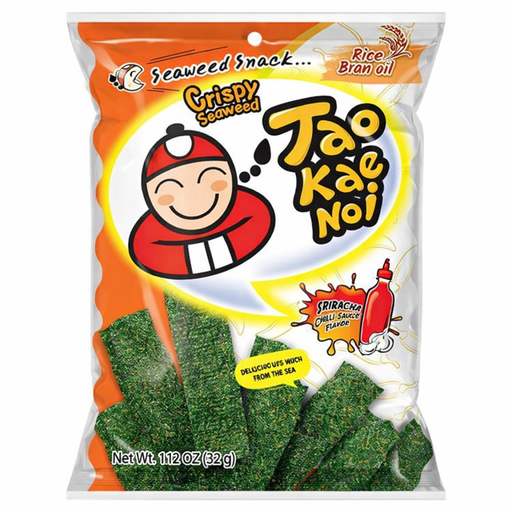
Why This Fits Their Persona: For those bored with plain salt, this snack delivers a bold, spicy and tangy kick. It's a perfect example of a modern Asian snack that combines a traditional ingredient with a globally popular flavour.
This avoids the "underwhelming flavour" trap. The ingredients list Sriracha chilli paste, delivering an authentic heat and tang rather than a generic "spicy" powder, which is a common complaint with other brands.
Delivers a genuine spicy kick with a recognisable Sriracha flavour. The larger, thicker sheets from the Tao Kae Noi brand provide a very satisfying crunch.
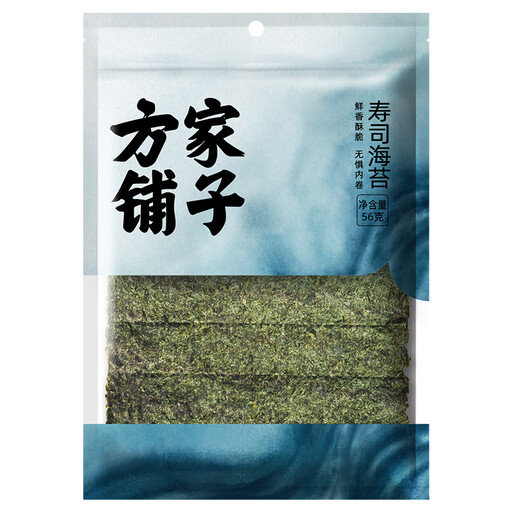
Why This Fits Their Persona: This is for the person who loves making their own sushi, onigiri or kimbap. It's a foundational ingredient, not a snack, offering the right size, texture and strength to hold ingredients together.
It clearly avoids the "format confusion" trap. Labelled as sushi nori, it is explicitly for culinary use. The sheets are large, unseasoned and have the right tensile strength for rolling, unlike flimsy snacking seaweed.
Made from 100% seaweed with no oil or seasoning, giving you full control over the final flavour of your dish. It's a versatile pantry staple for any fan of Japanese or Korean cuisine.
We have compiled a complete, real-time list of products that fully satisfy these strict selection criteria and UK safety regulations.
Moisture is the enemy of crispiness. Once a pack is opened, the best way to maintain texture is to transfer the remaining sheets to an airtight container. Store it in a cool, dry place like a pantry. Avoid putting it in the fridge, as condensation can make it go soft. Consuming it within a few days of opening is always a good idea.
It can be, but it depends on the product. On average, a serving of crispy seaweed thins is significantly lower in calories and saturated fat than a standard packet of potato crisps. However, you should always compare the salt content on the nutritional labels. Some seasoned seaweed can be quite high in sodium, so moderation is key, especially for those monitoring their salt intake.
While both are types of roasted seaweed sheets, there are subtle differences. Korean laver (or 'gim') is often thinner, roasted with sesame oil and seasoned with salt, giving it a distinct nutty and savoury flavour. Japanese nori is typically thicker and can be sold either unseasoned (for sushi) or seasoned with a mix of soy sauce, sugar and mirin for a sweeter, more umami-rich taste.