
24/7 Customer Support

Free returns

Same-day & Next-day Delivery

Quality Guaranteed

Unlock Your Welcome Offers: FREE Delivery | Up to 80% OFF | Free 30-day JoyPlus trial
Download the APP
The humble seaweed snack has quickly become a staple in many UK households, moving from a niche item in speciality shops to a mainstream choice for lunchboxes and afternoon cravings. Its appeal is clear: a savoury, crunchy and often low-calorie alternative to traditional crisps. However, not all seaweed snacks are created equal. As their popularity has grown, so have the marketing claims, making it difficult to distinguish a quality product from a disappointing one.
Before you add a pack to your basket, it pays to be aware of a few common pitfalls that can lead to buyer's remorse.
crispy seaweed only to find it limp and chewy. This is often a result of poor packaging that fails to protect the delicate sheets from moisture, especially in larger, resealable bags that are opened and closed multiple times.Korean seaweed snack, for example, should deliver a distinct and recognisable taste, whether it's the nutty notes of sesame oil or the sweet heat of a bulgogi marinade.To ensure you get the flavour and texture you're looking for, focus on a few core parameters. Getting these right is the key to a satisfying purchase.
The format of the seaweed dictates its primary use. Understanding the difference will help you choose the right product for your needs.
roasted seaweed, also known as a laver snack or seaweed thins. They are designed for snacking straight from the pack or for wrapping small portions of rice. They offer the most satisfying crunch and are often sold in individual, portion-controlled packs.furikake rice seasoning, consists of small, shredded or crumbled pieces of seasoned seaweed. These are not typically eaten on their own but are intended as a versatile topping to add umami and texture to rice bowls, noodles, salads and soups.The ingredients list is your best friend. The type of oil used—such as sesame, corn, canola or olive oil—has a significant impact on the final flavour and texture. Traditional Korean-style snacks often rely on a blend of canola and sesame oil for a nutty, aromatic finish.
Pay attention to the seasoning description. A simple "salt" or "sea salt" flavour is a classic choice. For more adventurous palates, look for specific flavour profiles like "Bulgogi," "Wasabi" or "Spicy," and check that the ingredients reflect this, rather than just listing "flavour enhancer" or "spice powder."
For snack-sized sheets, multi-packs containing several small, individually sealed portions are often a superior choice to a single large bag. Each time a large bag is opened, the remaining contents are exposed to air and humidity, which can quickly compromise their crispness. The small, single-serving packs ensure that every crispy seaweed sheet is as fresh as the first.
To help you navigate the options, we've matched some excellent choices to different needs and preferences.

Why This Fits Their Persona: This is an ideal choice for parents and busy professionals. The 'dosirak' (lunchbox) format features three individually wrapped portions, ensuring freshness and making it easy to pack a single serving without waste. The original flavour is a crowd-pleaser with a simple, savoury taste that isn't overpowering or spicy.
The individual packs directly solve the "Crispness Catastrophe," guaranteeing a crunchy snack every time. The simple ingredient list avoids the "Healthy Halo" trap by being transparent and straightforward.
Convenient portion control and a classic, balanced flavour profile using canola and sesame oil.

Why This Fits Their Persona: For the foodie who wants more than just salt, this snack delivers an authentic taste of Korean BBQ. Bibigo is a well-regarded brand known for quality, and the bulgogi flavour offers a complex sweet, smoky and savoury experience that elevates it beyond a simple snack.
This product sidesteps the "Flavour Fa?ade" by providing a specific, authentic taste profile (Bulgogi) backed by a clear ingredients list that includes soy sauce, garlic and onion powder.
Delivers a rich and authentic Korean BBQ flavour. The multi-pack format also ensures each of the three portions remains perfectly crispy.
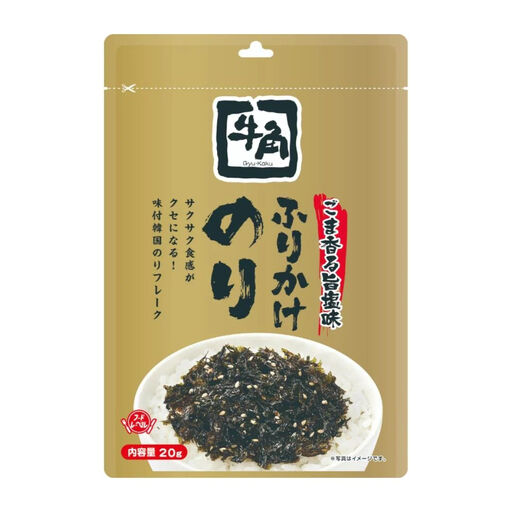
Why This Fits Their Persona: This is not a snack, but a culinary tool. Perfect for those who love to cook, this `furikake rice seasoning` is a mix of `seaweed flakes` and roasted sesame. It's designed to be sprinkled over rice, noodles or salads to add a final touch of savoury, nutty flavour and texture, inspired by the famous Gyu-Kaku Japanese BBQ restaurant.
Its clear purpose as a seasoning avoids any confusion. You are buying a versatile condiment, not snack sheets, so your expectations for its use are correctly set from the start.
Highly versatile for culinary use; adds authentic Japanese restaurant flavour to a wide variety of home-cooked dishes.
We have compiled a complete, real-time list of products that fully satisfy these strict selection criteria and UK safety regulations.
How can I ensure my seaweed snacks stay crispy? The best method is to choose products sold in individual, single-serving packs. If you buy a larger bag, the key is to minimise exposure to air and moisture. As soon as you open it, transfer the contents to a completely airtight container. Store this container in a cool, dry place like a pantry or cupboard. Avoid storing it in the refrigerator, as condensation can make the seaweed lose its crispness.
Are all seaweed snacks a healthy choice? Seaweed itself is a source of vitamins and minerals. However, the overall healthiness of a seaweed snack depends on how it is prepared and seasoned. To make an informed choice, always check the nutritional information on the packaging, paying close attention to the sodium and fat content. Roasted seaweed is generally a lighter option than deep-fried varieties.
What is the difference between a laver snack and furikake? A laver snack (also known as gim in Korean or nori in Japanese) refers to the full, thin sheets of roasted seaweed that are eaten as a snack or used for wrapping rice. Furikake, on the other hand, is a dry Japanese condiment. It consists of small seaweed flakes mixed with other ingredients like toasted sesame seeds, salt and sometimes dried fish or egg. It is not eaten on its own but is sprinkled over cooked rice, noodles and vegetables to add flavour.