
24/7 Customer Support

Free returns

Same-day & Next-day Delivery

Quality Guaranteed

Unlock Your Welcome Offers: FREE Delivery | Up to 80% OFF | Free 30-day JoyPlus trial
Download the APP
Seaweed snacks can be a convenient way to add savoury flavour and crunch to a lunchbox, rice bowl or quick meal. However, the category includes very different products: roasted seaweed sheets, seasoned flakes, spicy kelp strips, dried wakame and cooking ingredients.
The main buying mistake is treating them as interchangeable. A small Korean seaweed snack may be ready to eat, while a similarly packaged Chinese kelp product may require soaking or refrigeration. Before ordering, check the format, ingredients, allergens, salt content and storage instructions rather than relying on front-of-pack terms such as “healthy”, “natural” or “light”.
Dried wakame seaweed, dried kelp, kelp strips and kelp knots are often sold as Japanese seaweed ingredients or Chinese cooking products. They may need soaking, rinsing and cooking before use. Eating them straight from the packet can result in an unpleasant texture and excessive salt, particularly where the product is salted or preserved.
By contrast, roasted seaweed snacks, seasoned seaweed flakes and packaged spicy kelp are generally labelled “ready to eat”. Always look for clear preparation instructions.
Seaweed itself may be light, but oils, sugar, soy sauce, flavourings and seasoning can change the nutritional profile. For example, the listed bibigo Seaweed Crisp contains 538 kcal and 5g of salt per 100g, while individual 5g packs provide portion control. A product’s nutrition panel should be read alongside its actual pack size.
Marine ingredients can also be naturally high in sodium or iodine. Enjoy seaweed as part of a varied diet and follow the product label, particularly if you have been advised to monitor either nutrient.
Korean seaweed snacks can contain sesame oil, sesame seeds, soya or wheat-based soy sauce powder. Chinese kelp snacks may contain soya, wheat or mustard. “Seaweed” on the front does not mean the entire product is allergen-free.
Crisp products absorb moisture quickly, so resealing the pack matters. Seasoned kelp products commonly require refrigeration after opening and should be consumed within a stated period. Check the UK label and packaging for the latest information before eating.
For work, travel and lunchboxes, choose a product clearly marked ready to eat. Individual packs such as 3 x 5g roasted seaweed snacks are convenient for controlled portions and help preserve crispness until opened.
For soups, salads and hot pots, choose dried wakame seaweed, dried kelp, kelp strips or kelp knots. These formats need preparation. Wakame usually expands substantially when rehydrated, so a modest packet can provide several servings. Kelp strips and knots may need soaking to soften and, where indicated, cooking before use.
Plain wakame or kelp contains fewer added ingredients and gives you control over seasoning. It works in miso soup, ramen, noodle dishes, salads and stews.
Seasoned seaweed and ready-to-eat Chinese kelp offer immediate flavour but may include oil, sugar, chilli, Sichuan pepper, preservatives or flavour enhancers. If you want a spicy seaweed snack, compare chilli intensity, salt and serving size. Korean BBQ, wasabi and hot chilli formats suit different preferences, while plain roasted sheets have a milder savoury taste.
Small packs are useful for occasional snacking and freshness. Larger multipacks or 252–400g bags make more sense for regular households, sharing or serving with rice and noodles, but check the storage period after opening.
Look for bold allergen declarations. Relevant examples across these products include soya, wheat, sesame and mustard. Also check whether the product is a snack or an ingredient, whether refrigeration is required and whether a desiccant sachet is included. Do not consume the sachet.
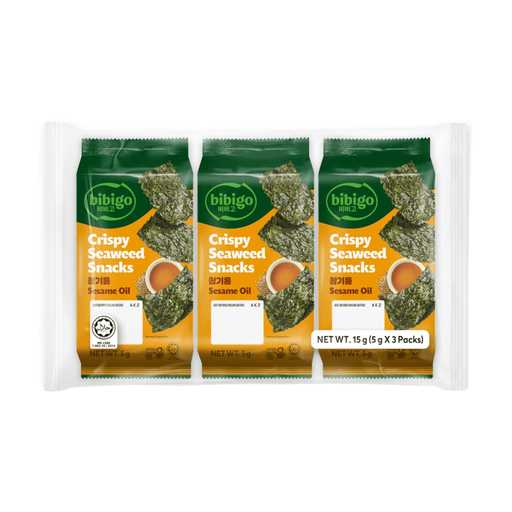
Why This Fits Their Persona: Three individual 5g packs provide a straightforward introduction to Korean seaweed snacks for work bags, packed lunches or occasional snacking in the UK.
It is labelled ready to eat, so there is no confusion with dried cooking seaweed. Portion packs also reduce the time an opened sheet is exposed to moisture.
Sesame oil adds a nutty flavour; each pack can be eaten alone or used with rice, soup and salad. Contains sesame.
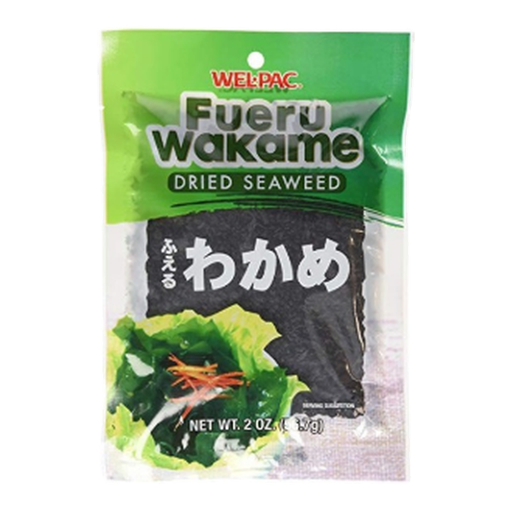
Why This Fits Their Persona: Home cooks looking for Japanese seaweed ingredients can rehydrate the dried wakame for soups, salads, ramen or vinegar-based side dishes.
The product is clearly presented as dried wakame rather than a ready-to-eat snack, and the single-ingredient list makes seasoning easier to control.
56.7g dried wakame; listed ingredient is dried wakame seaweed; suitable for soups and salads after rehydration.
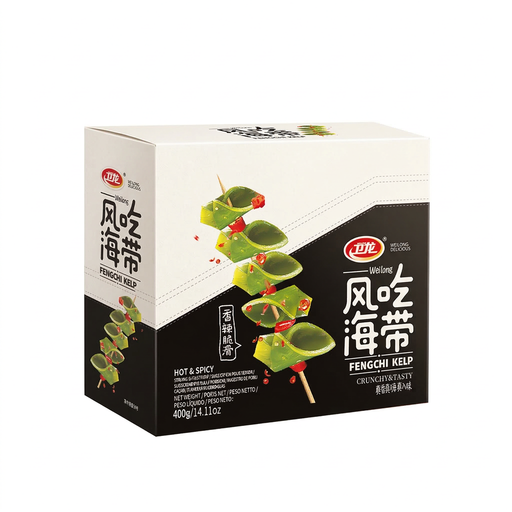
Why This Fits Their Persona: Regular snackers and households sharing Chinese kelp snacks may prefer a 20-pack format for lunches, side dishes, rice or noodles.
The 400g quantity and 20-pack format are stated clearly, while ready-to-eat instructions distinguish it from dried kelp for cooking. Refrigerate after opening and consume within seven days.
Contains 76% kelp; seasoned with chilli, pickled ginger and Sichuan pepper; contains soya and mustard.
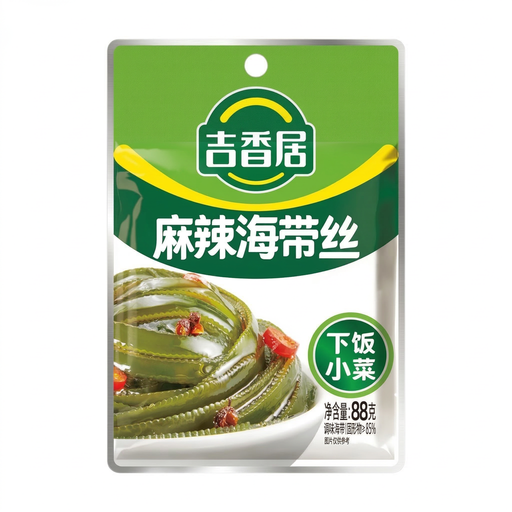
Why This Fits Their Persona: A compact Chinese spicy seaweed snack for shoppers who want a bold accompaniment to noodles, rice or a packed lunch without preparation.
It is labelled ready to eat, with individual packaging for carrying and storage. The ingredient and allergen information makes the presence of soya and wheat visible.
88g pack; shredded kelp with Sichuan-style chilli and pepper seasoning; refrigerate after opening.
We have compiled a complete, real-time list of products that fully satisfy these strict selection criteria and UK safety regulations.
Some are, and some are not. Roasted seaweed sheets, seasoned flakes and packaged spicy kelp are commonly ready to eat. Dried wakame, dried kelp, kelp strips and kelp knots generally require soaking, rinsing or cooking. Read the usage instructions rather than judging by the product’s appearance.
Store unopened packs in a cool, dry cupboard. After opening, reseal the inner packet tightly and eat promptly. Moisture causes thin roasted sheets and seasoned flakes to lose their crisp texture. Individual portions can help reduce exposure to air.
This depends on the product, portion size and your overall diet. Check the nutrition panel for salt and follow the label’s guidance on iodine and sodium. Plain dried seaweed used in small amounts for soup or salad differs substantially from heavily seasoned snacks, so compare products before making them a regular purchase.