
24/7 Customer Support

Free returns

Same-day & Next-day Delivery

Quality Guaranteed

Unlock Your Welcome Offers: FREE Delivery | Up to 80% OFF | Free 30-day JoyPlus trial
Download the APP
As a Joybuy Product Recommendation Officer, my role is to help you navigate the crowded snack aisle. Seaweed snacks have surged in popularity across the UK, moving from specialist Asian food shops to mainstream supermarket shelves. Prized for their savoury taste and unique texture, they are often positioned as a lighter alternative to traditional crisps.
However, not all seaweed snacks are created equal. The marketing can be confusing, and it is easy to end up with a product that doesn't meet your expectations. Before you add a pack to your basket, let's look at the common pitfalls that can lead to a disappointing purchase.
By understanding a few key factors, you can confidently choose the right crispy seaweed snack for your palate and purpose.
To avoid the pitfalls, focus on these three core parameters. They are the true indicators of the snacking experience you will get.
The type of seaweed and its preparation method determine the texture. This is arguably the most important factor in finding a snack you will enjoy.
The flavour of a seaweed snack comes from two main sources: the oil used for roasting and the seasoning blend.
Crispy seaweed is highly susceptible to moisture, which is its greatest enemy. Once a pack is opened, the contents can lose their crispness rapidly.
Based on these practical criteria, here are a few recommendations matched to different snacking needs.
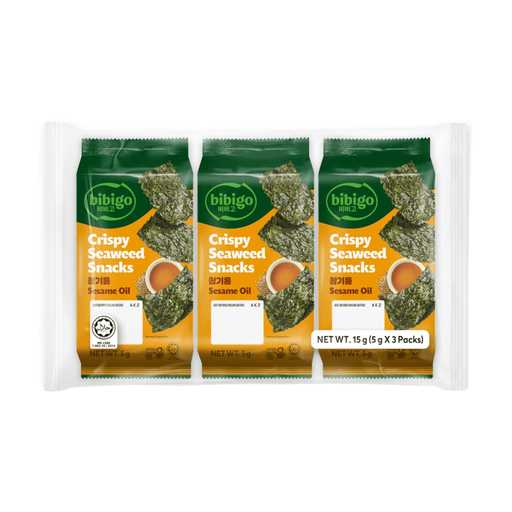
Why This Fits Their Persona: Ideal for parents and professionals in the UK seeking a convenient, portion-controlled snack. The three individual 5g packs fit perfectly into a lunchbox or desk drawer, providing a quick, savoury bite without the commitment of a large bag.
The individual packaging directly solves the texture problem, ensuring each portion is perfectly crispy. The classic sesame flavour is a reliable choice, avoiding any flavour mismatch.
Features thin, roasted gim for a light texture. Seasoned with nutty sesame oil for an authentic Korean flavour.

Why This Fits Their Persona: For the snacker bored with plain salt. This brings the smoky, sweet and savoury flavour of Korean BBQ to a crispy seaweed sheet. It is a great way to explore authentic Asian flavours in a familiar snack format.
It sidesteps the flavour mismatch pitfall by offering a very specific and recognisable profile: Bulgogi. You know you are getting a complex, savoury-sweet taste, not just generic seasoning.
Infused with a distinct Korean BBQ seasoning. Also comes in convenient 3-packs to maintain freshness.
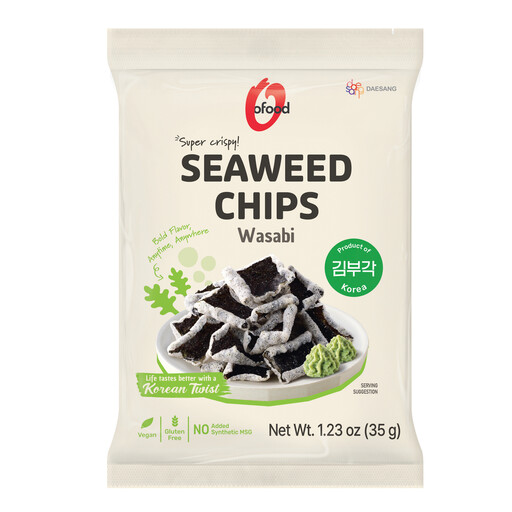
Why This Fits Their Persona: This is for the person who wants a satisfying, loud crunch. Unlike thin sheets, these are thicker chips made with rice and tapioca flour, delivering a texture much closer to a traditional crisp but with the unique umami flavour of seaweed.
It completely avoids the texture lottery. The name "Seaweed Chip" and the ingredient list clearly signal a crunchy, robust snack, ensuring you do not mistakenly buy it expecting a delicate sheet.
Offers a substantial, crisp-like crunch. The blend of rice flour and seaweed creates a unique, savoury base.
We have compiled a complete, real-time list of products that fully satisfy these strict selection criteria and UK safety regulations.
1. How do I keep my seaweed snacks crispy after opening? The key is to minimise exposure to air and humidity. For multi-packs, only open one individual packet at a time. For larger bags, if they are not resealable, transfer the snacks to an airtight container immediately after opening. Store them in a cool, dry cupboard away from any sources of steam, like the kettle or cooker. Do not refrigerate them, as condensation can make them soggy.
2. Are seaweed snacks a healthy choice for children's lunchboxes? They can be a good option, but it is wise to check the nutritional information. Look for brands with lower sodium content and simple ingredient lists. The individually portioned packs are excellent for controlling serving sizes. As with any food, they are best enjoyed as part of a balanced diet. Also, be mindful of potential allergens like soy, wheat and sesame, which are common in seasonings.
3. What is the difference between nori, gim, and kelp snacks?Nori is the Japanese name and gim is the Korean name for the same type of thin, edible seaweed, typically sold in roasted sheets. They are delicate and crispy. Kelp (or kombu in Japanese, dasima in Korean) is a much thicker, tougher type of seaweed. As a snack, kelp is usually marinated and has a chewier texture, offering a very different eating experience from crispy nori/gim snacks.