
24/7 Customer Support

Free returns

Same-day & Next-day Delivery

Quality Guaranteed

Unlock Your Welcome Offers: FREE Delivery | Up to 80% OFF | Free 30-day JoyPlus trial
Download the APP
As a Joybuy Product Recommendation Officer, my role is to help you navigate the crowded online marketplace. When it comes to the world of Asian snacks, the variety can be both exciting and overwhelming. Seaweed snacks, in particular, have grown in popularity across the UK, but not all packs deliver the satisfying, savoury crunch you might be looking for.
Many shoppers find themselves disappointed, having fallen for common purchasing pitfalls. Let's look at a few frequent issues so you can make a more informed choice.
To avoid these issues, it helps to understand what to look for on the product page. Focusing on a few core parameters will ensure you get the flavour and texture you're after.
The single most important factor determining texture is the type of seaweed used. Understanding this distinction is key to avoiding disappointment.
Beyond the natural umami snacks taste of seaweed, the added seasonings define the final product. A quick scan of the ingredients list can tell you what to expect.
Consider how you plan to enjoy your snacks. The packaging format can make a big difference in convenience and freshness.
Based on these criteria, we have matched a few standout options to different snacking preferences.
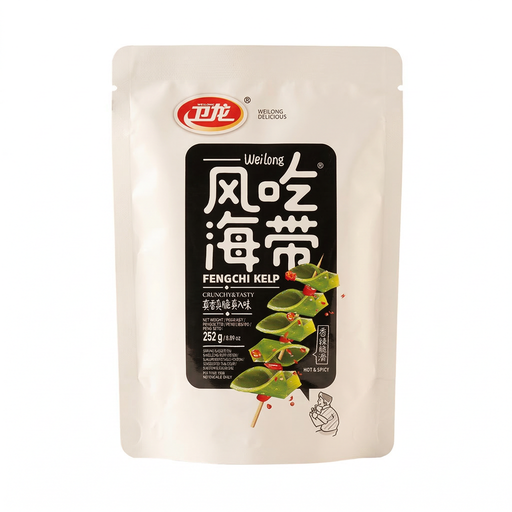
Why This Fits Their Persona: This is for the snacker who is bored of simple salt and vinegar and actively seeks out authentic, layered heat. The combination of chilli, Sichuan peppercorn and pickled ginger delivers a genuine Sichuanese flavour profile that is both spicy and tangy, with a satisfyingly chewy texture.
It clearly avoids the texture mismatch by being a chewy kelp snack, not a crispy sheet. It also sidesteps the vague "spicy" label by specifying ingredients like Sichuan pepper, indicating a complex heat, not just a simple chilli burn.
Made with 76% kelp for an authentic texture. The multipack format with 28 individual packs offers great convenience and portion control.
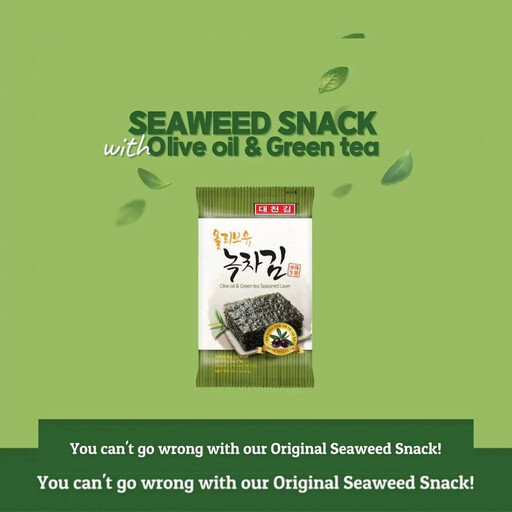
Why This Fits Their Persona: Perfect for the busy professional or parent packing a lunchbox. This snacker values convenience and a lighter flavour profile. The individual 'dosirak' packs are portable, portion-controlled and keep the sheets perfectly crispy until they are ready to be eaten.
This is a classic crispy seaweed sheet, meeting the most common texture expectation. It avoids the "healthy halo" trap by being transparent about its ingredients, using olive oil and having a clear nutritional profile with around 16 kcal per pack.
The flavour is light and sophisticated, with notes of green tea. The 3-pack format is ideal for trying the product or for a week's worth of snacks.
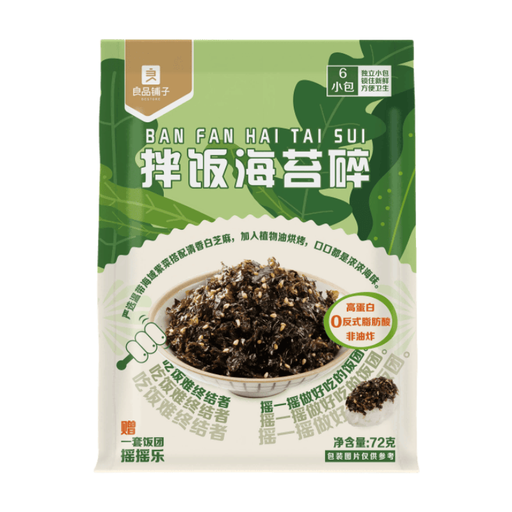
Why This Fits Their Persona: This user isn't just looking for a snack to eat out of the bag; they want a versatile pantry staple. These seaweed flakes are perfect for elevating simple meals like rice, congee or noodles, adding a savoury, nutty and crispy dimension with minimal effort.
Its format as seaweed flakes immediately clarifies its primary use as a topping, avoiding any texture confusion. The ingredient list is straightforward, highlighting dried seaweed (30%) and sesame (29%) as the main components for a clean, umami-rich flavour.
Extremely versatile for culinary use. The resealable bag maintains freshness and the product is ready to eat, offering maximum convenience for home cooking.
We have compiled a complete, real-time list of products that fully satisfy these strict selection criteria and UK safety regulations.
Seaweed snacks can be a lighter alternative to traditional fried snacks like crisps. Seaweed is a natural source of minerals like iodine and is typically low in calories. However, it is important to check the nutritional information on the package. Pay attention to the sodium (salt) content and the fat content, as these can vary significantly between brands and flavourings.
The most common difference lies in the type of seaweed used and the preparation method. Generally, Korean seaweed snacks use thin sheets of laver that are roasted to be light and crispy. Chinese seaweed snacks often use thicker, chewier kelp that is marinated or braised in savoury and spicy sauces.
Humidity is the enemy of crispy seaweed. To maintain that satisfying crunch, store your snacks in a cool, dry place away from direct sunlight. Once a pack is opened, it is crucial to seal it as tightly as possible. For multipacks, only open one individual sachet at a time. Consuming them shortly after opening is always the best practice.