
24/7 Customer Support

Free returns

Same-day & Next-day Delivery

Quality Guaranteed

Unlock Your Welcome Offers: FREE Delivery | Up to 80% OFF | Free 30-day JoyPlus trial
Download the APP
Seaweed snacks have firmly established themselves in the UK as a go-to choice for anyone seeking a savoury crunch without the guilt of traditional crisps. From lunchboxes to office desks, these umami-rich bites are everywhere. Yet, navigating the ever-growing aisle of crispy seaweed thins and seasoned laver can be surprisingly tricky.
As a Joybuy Product Recommendation Officer, my role is to help you see past the clever marketing. Many shoppers find themselves disappointed by snacks that are either disappointingly soggy, surprisingly high in salt or loaded with unexpected sugars. Let's look at the common pitfalls to avoid so you can choose a genuinely satisfying and suitable pack every time.
seaweed snacks might be advertised as low calorie crisps, but a quick glance at the ingredients can reveal high levels of sodium or sugar used to create bold flavours. Some are also fried in oils that may not align with your dietary preferences, turning a seemingly healthy choice into something less so.roasted seaweed is fragile. It can be lost due to poor packaging that isn't airtight or because the product has been sitting on the shelf for too long.wasabi seaweed and bulgogi flavour snacks. However, some brands rely on heavy-handed, artificial-tasting powders that completely mask the delicate, savoury taste of the seaweed itself, leaving you with a generic salty taste rather than an authentic umami snack.To ensure you get the quality and taste you're paying for, focus on these three core parameters before you buy.
The texture and eating experience are defined by how the seaweed is prepared. Understanding the terms on the packet is the first step.
Japanese nori or Korean seaweed snack (gim) are roasted until brittle and lightly seasoned. They are incredibly light and deliver a clean, oceanic flavour. This is your starting point for classic crispy seaweed thins.The quality of a seaweed snack is in its seasoning. A quick scan of the ingredients list tells you everything.
healthy snacks.gluten-free snacks, but those with soy-based seasonings or tempura coatings often contain wheat and soy. Always check the allergen information, which is usually highlighted in bold.How your snacks are packed directly affects their freshness and convenience.
on-the-go snack packs (e.g., 3g or 5g) are excellent. They ensure every portion is perfectly crisp and are ideal for portion control, lunchboxes, or carrying in a bag without crushing.Instead of a generic list, we've matched some standout options to different snacking preferences.

Why This Fits Their Persona: This is for the person who reads labels carefully. They want a clean, simple snack with minimal processing. The low calorie count and short ingredient list make it a straightforward choice for guilt-free snacking.
It directly counters the "healthy halo" trap with just three ingredients: seaweed, olive oil and sea salt. There are no hidden sugars or complex additives. The multipack format also prevents the texture gamble.
Very low calorie count (26 kcal per 5g pack) and a clean, minimalist ingredient list. It is also a gluten-free snack.

Why This Fits Their Persona: This is for someone who loves authentic Korean flavours and wants a snack that delivers a bold, specific taste. They are looking for more than just salt, seeking a sweet, smoky and savoury experience.
It avoids the generic flavour mismatch by delivering a very specific and popular Korean BBQ (Bulgogi) profile, using seasonings like soy sauce, garlic and onion powder for a more authentic taste.
Delivers a distinct, savoury and smoky Korean BBQ flavour. The 3-pack format is convenient for maintaining freshness and for portioned snacking.
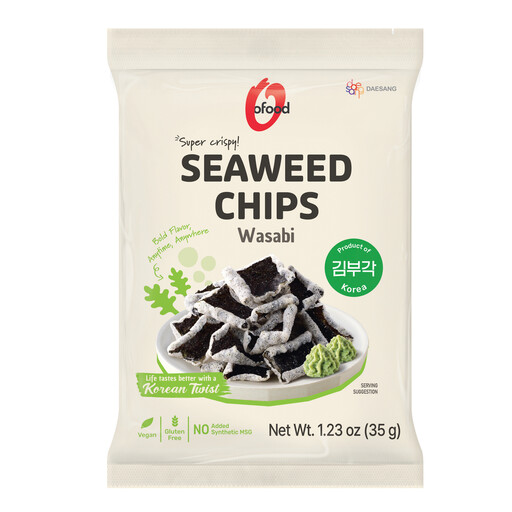
Why This Fits Their Persona: This is for the person who wants the flavour of seaweed but with the substantial, satisfying crunch of a traditional crisp. They find standard seaweed thins too light and are looking for a more robust snacking experience.
It avoids the texture gamble by design. As a composite chip made with rice and tapioca flour, its primary feature is a guaranteed, sturdy crunch, setting clear expectations that it is different from a simple roasted thin.
Offers a substantial, airy and crispy texture that is more akin to a potato crisp. The base of rice and tapioca flour provides a different kind of crunch than pure seaweed.
We have compiled a complete, real-time list of products that fully satisfy these strict selection criteria and UK safety regulations.
They certainly can be a healthier alternative to many other savoury snacks. Seaweed is a natural source of iodine, vitamins and minerals. However, the overall healthiness depends entirely on the preparation. To make the best choice, opt for baked or roasted seaweed over fried varieties and, most importantly, check the sodium and sugar content on the nutritional panel.
Air and moisture are the enemies of a crispy snack. The most effective way to maintain that satisfying crunch is to choose on-the-go snack packs and only open them when you're ready to eat. If you buy a larger bag, transfer the contents to a completely airtight container as soon as you open it. Do not store them in the fridge, as this can introduce moisture and make them go soft.
While the lines can blur, there are some general distinctions. Korean seaweed snacks (often called 'gim' or seasoned laver) are typically roasted with sesame oil and salt, giving them a distinctively nutty and savoury flavour. Japanese nori is often sold in plain, unseasoned sheets for making sushi, but when sold as a snack, it is frequently seasoned with a soy sauce and mirin-based flavouring, which can be slightly sweeter.