
24/7 Customer Support

Free returns

Same-day & Next-day Delivery

Quality Guaranteed

Unlock Your Welcome Offers: FREE Delivery | Up to 80% OFF | Free 30-day JoyPlus trial
Download the APP
Seaweed snacks have firmly established themselves in UK cupboards, moving from a niche health food to a mainstream favourite for lunchboxes, office desks and evening nibbles. Their appeal is clear: a savoury, umami-rich crunch that feels more satisfying than a packet of crisps. Yet, the expanding market is filled with choices that can lead to disappointment. Many shoppers find themselves with a product that is overly salty, surprisingly high in sugar or loses its signature crispness moments after the packet is opened.
As a Joybuy Product Recommendation Officer, my role is to help you navigate this landscape. We will look past the marketing buzz and focus on the practical details that separate a genuinely satisfying snack from a regrettable purchase. Here are the common pitfalls to watch for and the key factors to check before you buy.
healthy office snacks are not undermining your goals.crispy seaweed thins is their tendency to absorb moisture from the air and turn limp. This is almost always a packaging issue. Large, non-resealable bags are a common culprit, making it a race against time to finish the pack before the texture is ruined.Japanese nori sheets intended for sushi and expecting a flavourful snack will lead to a bland experience. Conversely, trying to roll sushi with fragile, seasoned laver snack thins will result in a crumbly mess. Understanding the format is key to getting a product that fits your needs.To avoid these traps, focus on three core parameters. Getting these right will ensure you are happy with your purchase.
The physical form of the seaweed dictates its primary use. Understanding the difference is the first step to a successful purchase.
seaweed flakes for rice, this format is a condiment used to sprinkle over rice, noodles and soups to add texture and an umami flavour boost.The country of origin often gives a strong clue about the flavour you can expect.
Korean seaweed has a distinct nutty and savoury flavour. It is the most common type found in snacking formats. Flavoured versions like Bulgogi, Wasabi or Kimchi are also popular.yaki nori (roasted nori) is the standard for sushi nori.Always check the ingredients list for the type of oil (e.g., olive, canola, corn, sesame) and seasonings used, as this will significantly impact the final taste and nutritional profile.
To avoid the dreaded sogginess, pay close attention to the packaging. For snacking thins, look for multipacks containing individually sealed portions. This keeps each serving perfectly crisp until you are ready to eat it. If you are buying a larger bag of seaweed flakes for rice or sushi sheets, ensure it has a reliable resealable zip-lock.
Based on these practical criteria, here are a few options from our catalogue that are well-suited to different needs and preferences.

Why This Fits Their Persona: Ideal for someone seeking a simple, genuinely low calorie snack. The straightforward sea salt flavour and use of olive oil appeal to those who prefer clean ingredients for their on-the-go or office snacking.
It sidesteps the "Healthy Halo" trap with a verifiable low calorie count (26 kcal per pack) and minimal ingredients. The multipack format with individual 5g portions completely solves the "Soggy Snack" problem.
Portion-controlled packs ensure freshness and crispness every time. The simple sea salt and olive oil recipe provides a clean, savoury taste without added sugars or complex seasonings.
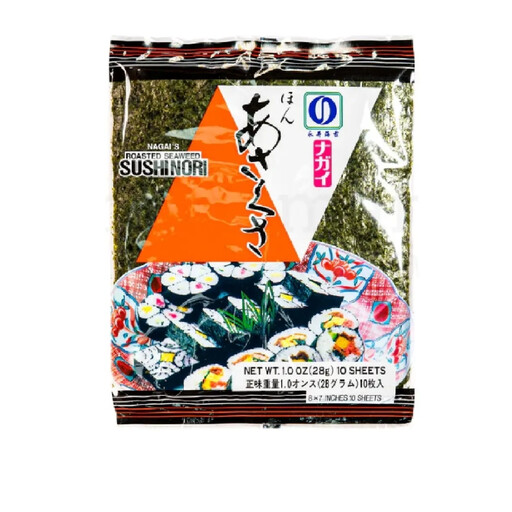
Why This Fits Their Persona: This is for the home cook dedicated to making authentic Japanese cuisine. It is specifically designed as sushi nori for maki rolls and onigiri, prioritising structural integrity over intense snack flavour.
It directly solves the "Format Mismatch" pitfall. The product description clearly states its purpose for sushi, and its thin-yet-strong quality is engineered for rolling, not snacking.
Its strength prevents tearing when rolling sushi, a common frustration with lower-quality sheets. The traditional Japanese seasoning provides an authentic base flavour for your creations.
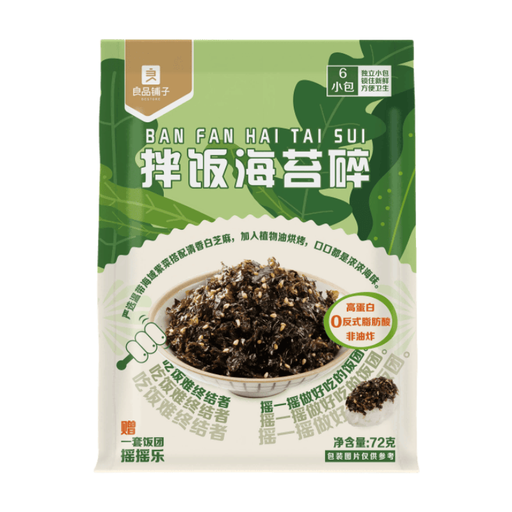
Why This Fits Their Persona: Perfect for busy parents or anyone looking to easily add flavour and texture to everyday meals. This is a condiment, not a snack, designed to be sprinkled over rice, noodles or even scrambled eggs to make them more appealing.
This is a clear-cut seaweed flakes for rice product, avoiding any format confusion. It is not meant to be eaten sheet by sheet, but as a versatile topping, and its packaging is designed for this purpose.
Extremely versatile for enhancing a wide variety of dishes quickly. The mix of seaweed and sesame provides a balanced savoury flavour and satisfying crunch that can elevate simple meals.
We have compiled a complete, real-time list of products that fully satisfy these strict selection criteria and UK safety regulations.
1. How can I keep my seaweed snacks crispy after opening a large pack? If you buy a larger bag that isn't a multipack, the key is to minimise air exposure. Immediately after taking what you need, press all the air out of the bag and reseal it tightly. For even better results, transfer the remaining sheets to a dedicated airtight container. Never store them in the fridge, as condensation will make them soggy.
2. Are all seaweed snacks low in calories? No, this is a common misconception. While plain, roasted seaweed is very low in calories, the final calorie count depends heavily on the preparation method and seasonings. Snacks that are fried (rather than roasted) or have sugary coatings (like some sweet soy or teriyaki flavours) can be significantly higher in calories, fat and sugar. Always check the nutritional information per serving.
3. What is the main difference between Korean and Japanese seasoned seaweed? The primary difference lies in the seasoning. Korean seaweed snacks are almost always roasted with sesame oil and salt, giving them a distinctive nutty, savoury flavour. Seasoned Japanese nori typically uses a mixture of soy sauce, sugar and sometimes mirin, resulting in a flavour that is a balance of salty and sweet.