
24/7 Customer Support

Free returns

Same-day & Next-day Delivery

Quality Guaranteed

Unlock Your Welcome Offers: FREE Delivery | Up to 80% OFF | Free 30-day JoyPlus trial
Download the APP
From a niche item in Asian supermarkets to a mainstream presence in lunchboxes and pantries across the UK, the seaweed snack has seen a remarkable rise in popularity. Prized for its unique umami flavour and satisfying crunch, it offers a compelling alternative to traditional crisps and savoury biscuits.
However, as the market has grown, so has the confusion. Navigating the options can feel overwhelming, and it's easy to fall into common purchasing traps. Many shoppers find themselves disappointed by snacks that don't live up to their "healthy" image or discover the "value" multi-pack contains frustratingly small portions. Before you buy, let's clear up the marketing jargon and focus on what truly matters.
To make a confident choice, it helps to understand the fundamental differences between products. By focusing on these three core parameters, you can easily find a seaweed snack that fits your taste and lifestyle.
The physical form of the seaweed dictates its primary use and texture.
The ingredient list is your most reliable guide. Pay attention to these details:
While all are delicious, different culinary traditions bring unique characteristics.
Based on these practical criteria, we have matched a few standout options to different needs and preferences.
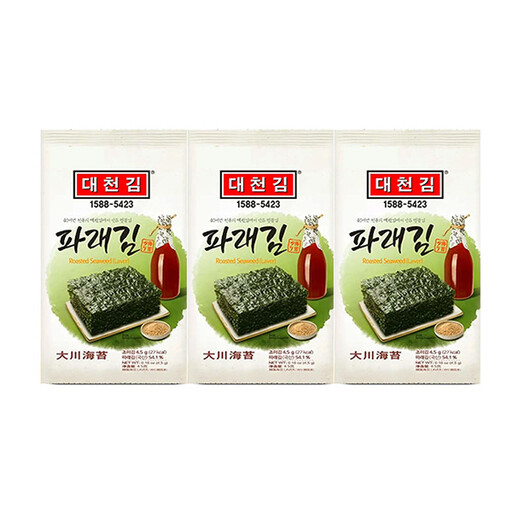
Why This Fits Their Persona: The "Dosirak" (lunchbox) format is designed for convenience. These individual packs are perfectly portioned for adding to a child's lunch or as a quick, mess-free snack at work, ensuring freshness with every serving.
This multi-pack avoids the "misleading value" trap by providing clearly defined, practical portions. You won't be left with a large, opened bag going stale.
Classic Korean-style seasoning with sesame oil and salt offers a mild, savoury flavour that is widely appealing. The thin, crispy texture is satisfying without being heavy.
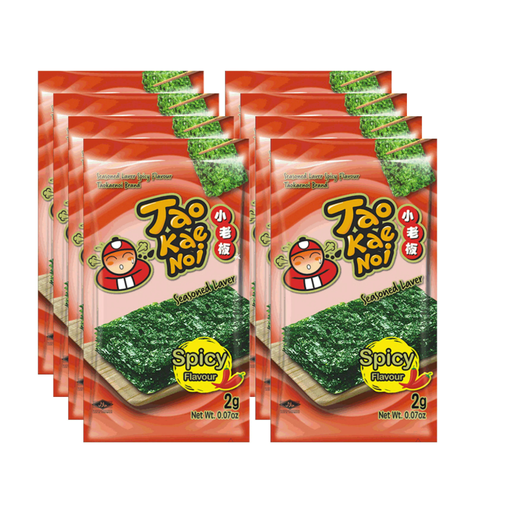
Why This Fits Their Persona: For those who crave a snack with a kick, this option from the well-known Thai brand Tao Kae Noi delivers a consistent and satisfying heat. The spicy seasoning is balanced with savoury notes, making it a go-to for a bold flavour experience.
This product avoids the "texture mismatch" pitfall. It delivers the classic, thin and crispy sheet format that is expected from seasoned laver, but with an added layer of bold, spicy flavour.
The spicy seasoning blend includes chilli, garlic and onion powder for a complex heat. The 2g portion packs are ideal for controlled, on-the-go snacking.

Why This Fits Their Persona: This is not just a snack, but a versatile kitchen ingredient. The flaked "Jaban" format is perfect for home cooks looking to effortlessly add authentic Korean flavour and a crispy texture to rice bowls, noodles, soups and salads.
By being clearly positioned as a flaked seasoning, it avoids the "texture mismatch" trap. Users know they are getting a versatile topping, not a large sheet for snacking.
Made with 75% seaweed and seasoned with a zesty chilli kick. The resealable 40g pack is a practical size for regular use in the kitchen.
We have compiled a complete, real-time list of products that fully satisfy these strict selection criteria and UK safety regulations.
The key to maintaining that satisfying crispness is to limit exposure to air and moisture. Once a pack is opened, it is best to consume it quickly. If you need to store it, transfer the remaining snacks to a completely airtight container and keep it in a cool, dry cupboard. Avoid storing seaweed snacks in the refrigerator, as condensation can make them lose their crunch.
They can be a great addition. Many children love the savoury flavour and crispy texture. The individual portion packs are particularly convenient for lunchboxes. However, it is always wise to check the salt and sugar content on the nutritional label and offer them as part of a balanced meal.
While there is a lot of variety within each cuisine, a general distinction can be made. Korean seaweed snacks (gim) are typically roasted with sesame oil and salt, giving them a distinct nutty and savoury flavour. Japanese roasted nori sheets are often less heavily seasoned to be used for wrapping sushi, though seasoned snack versions and furikake rice seasoning blends are also very popular.