
24/7 Customer Support

Free returns

Same-day & Next-day Delivery

Quality Guaranteed

Unlock Your Welcome Offers: FREE Delivery | Up to 80% OFF | Free 30-day JoyPlus trial
Download the APP
Seaweed snacks can be a convenient addition to a lunchbox, desk drawer or Asian-inspired meal. However, a small packet does not always mean the same thing. Some products are seasoned for eating straight away, while others are plain roasted sheets intended for sushi or onigiri. Choosing the wrong type can leave you with soggy nori, an unexpectedly salty flavour or too little product for regular use.
Before buying seaweed snacks, watch for three common pitfalls:
For direct snacking, look for roasted seaweed snacks or seasoned seaweed in individual portions. These are usually ready to eat and may include salt, oil, sesame, soy sauce or additional flavourings.
For homemade sushi, select sushi nori sheets or plain roasted nori. These larger sheets are easier to place on a bamboo mat, spread with rice and roll without breaking. Products labelled for onigiri nori or rice balls may be cut or sized with wrapping in mind.
For meal preparation, consider seaweed flakes or a rice topping seaweed mix. Flakes can be sprinkled over rice, noodles, soups and salads without needing to cut or fold sheets.
Plain nori may contain dried seaweed only, which is useful if you want to control the salt and seasoning yourself. Seasoned varieties can offer stronger Korean or Japanese-style flavour, but the ingredient list needs closer attention.
Common allergens include:
Always check the packaging supplied with the product, particularly if you are buying for children or someone with a food allergy. Nutrition figures also vary considerably between plain and oil-seasoned products, so compare salt per 100g and serving size rather than relying on terms such as “light” or “wholesome”.
Crispy seaweed is sensitive to humidity. Once opened, air and moisture can turn thin sheets chewy within a short period. Individual packets are practical for lunchboxes and portion control because the remaining servings stay sealed.
Store unopened packs in a cool, dry place away from direct sunlight. After opening, reseal the inner bag or move the contents to an airtight container. Do not assume refrigeration will improve every product: follow the storage instructions on the pack, as some seasoned seaweed products specifically advise against refrigeration.
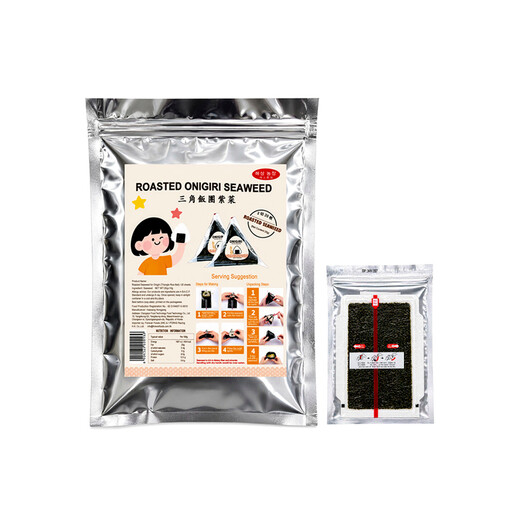
Why This Fits Their Persona: A practical starting point for families, lunchbox planners and shoppers who want multiple sheets for rice balls, sushi rolls and simple snacks.
The pack states 20 sheets and a 28g net weight, making the quantity clear. Dried nori is the listed ingredient, without added seasoning that could limit recipe choices.
100% dried nori; suitable for rice balls, sushi rolls and snack wrapping; 20-sheet format.
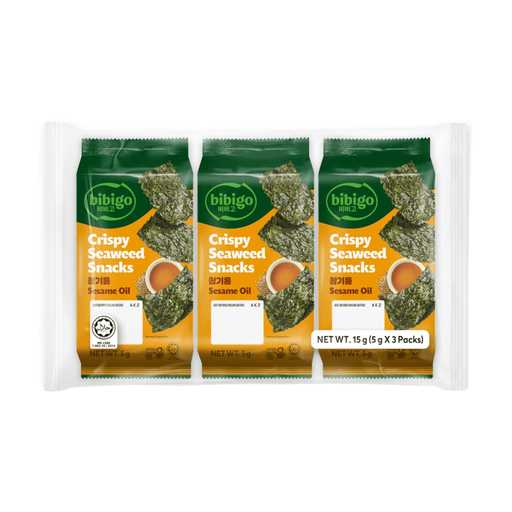
Why This Fits Their Persona: Suits shoppers who prefer ready-to-eat Korean seaweed snacks with sesame flavour and individually wrapped servings for work, travel or a bento-style lunch.
The product is divided into three 5g packets, helping protect texture and clarify portion size. Sesame is listed as an allergen, so it is easier to screen before purchase.
Ready to eat; sesame oil is part of the recipe; three individually packaged 5g servings.
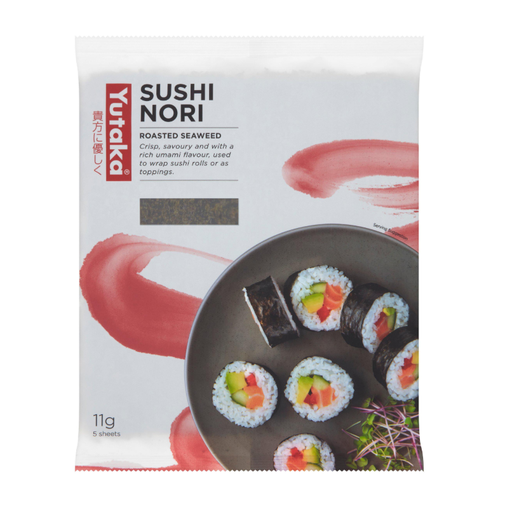
Why This Fits Their Persona: Designed for sushi enthusiasts and home cooks who need sheet-format nori for rolls, onigiri and garnishing soups or salads.
Its five-sheet format is clearly stated, so it is suited to planned cooking rather than being mistaken for a large snack multipack. The listing also flags harvesting-related shellfish cross-contact.
Roasted nori sheets; suitable for sushi and onigiri; 11g pack containing five pieces.
We have compiled a complete, real-time list of products that fully satisfy these strict selection criteria and UK safety regulations.
For onigiri, let freshly cooked rice cool slightly before wrapping it, as excess steam can soften the nori. Add fillings such as tuna, salmon, egg, chicken or pickles, then wrap shortly before serving.
Seasoned sheets work well as a snack or as a topping for rice bowls, ramen, noodles and salads. Flaked products can be scattered over warm rice, congee or soups. Keep any unused portion sealed and avoid leaving an open packet beside a steaming saucepan.
Seaweed naturally contains iodine. The reference product information warns that excessive consumption may adversely affect thyroid function. Treat seaweed as part of a varied diet, follow serving guidance and seek individual dietary advice where appropriate.
Yes, individually wrapped seaweed snack multipack products are convenient for lunchboxes because unopened portions remain protected from moisture. Check the allergen information and supervise young children, as thin pieces can present a choking risk.
Texture depends on humidity and packaging. Individual packets should be eaten after opening, while larger bags should be tightly resealed or transferred to an airtight container. Always follow the storage and best-before information on the packaging.
Some are. Oil, soy sauce, salt and flavourings can raise the salt content compared with plain nori. Compare the nutrition panel per 100g and per serving, particularly when serving seaweed alongside already salty foods such as instant noodles or sauces.