
24/7 Customer Support

Free returns

Same-day & Next-day Delivery

Quality Guaranteed

Unlock Your Welcome Offers: FREE Delivery | Up to 80% OFF | Free 30-day JoyPlus trial
Download the APP
Seaweed snacks are convenient, light to carry and useful far beyond snacking. A pack of roasted seaweed can go into a lunchbox, wrap a rice ball or add texture to noodles and rice bowls. However, the wide choice of Korean seaweed snacks, Japanese nori and seasoned seaweed can make it difficult to compare products properly.
The main buying pitfalls are usually easy to overlook:
For direct snacking, look for roasted seaweed, crispy seaweed snacks or individual seasoned sheets. Small packs are useful for office drawers, lunchboxes and portion control. Korean dosirak-style packs commonly contain several individual servings, helping preserve crunch until each packet is opened.
For sushi, onigiri or rice rolls, choose full seaweed sheets with a suitable size and texture. Plain dried nori, such as the 20-sheet nori for rice balls, gives you greater control over salt and fillings. It can also be cut into strips for rice bowls or used as a simple snack.
Seaweed flakes are more practical as a topping. They can be scattered over bibimbap, noodles, soups and salads without needing to wrap or cut anything. By contrast, dried wakame is normally intended for soaking and cooking rather than eating straight from the packet.
Plain nori may contain only dried seaweed. Seasoned varieties can include vegetable oil, sesame oil, salt, sugar, soy sauce, chilli, wasabi or barbecue seasoning.
If you have allergies, check for highlighted allergens such as sesame, soy and wheat. Some products also state that they are made in facilities handling milk, eggs, fish, shellfish, peanuts or tree nuts. This information is more useful than a general description such as “natural” or “light”.
Flavour also affects versatility. Sea salt or lightly seasoned sheets suit children’s lunchboxes and simple rice dishes, while bulgogi, chilli, wasabi and green tea flavours are more distinctive. If you intend to use the product in several recipes, a milder flavour may be easier to combine with other ingredients.
A seaweed snack multipack is convenient, but compare the total weight and individual serving size rather than the number of packets alone. For example, a 3 x 5g pack and an 8 x 5g pack serve different shopping needs even though both offer individually wrapped portions.
Keep opened seaweed in a cool, dry place, away from sunlight, heat and humidity. Reseal the inner packaging promptly, or transfer loose sheets and flakes to an airtight container. Refrigeration is not generally suitable where packaging instructions advise against it, as condensation can affect texture.
Nutritional information also deserves attention. Seasoned products may contain considerably more salt or oil than plain nori. Seaweed is naturally a source of iodine, but excessive consumption may be unsuitable for some people. Enjoy it as part of a varied diet and follow the product label, particularly if you have a condition requiring dietary advice.
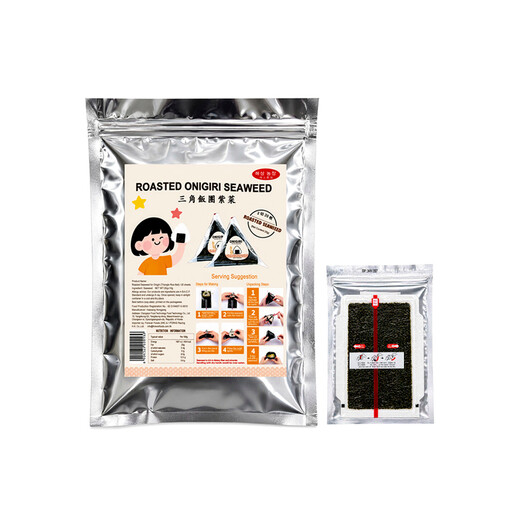
Why This Fits Their Persona: A straightforward option for first-time buyers who want nori for sushi, onigiri or homemade rice rolls without committing to a strongly flavoured snack.
The ingredient list is dried nori (100%), making it easier to avoid hidden seasoning, sesame or soy when preparing food at home.
20 sheets, suitable for rice balls, sushi rolls and snacks; plain format allows you to add your own fillings and seasoning.
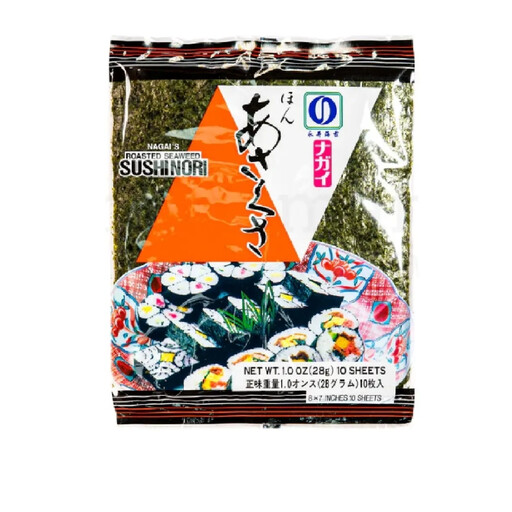
Why This Fits Their Persona: Suits home cooks who want thin, roasted sheets for sushi rolls, onigiri and decorative toppings.
The 10-sheet format is more manageable for occasional sushi making than a larger bulk purchase that may soften before use.
30g total weight; ready to eat and suitable for rolling, wrapping or cutting into strips.
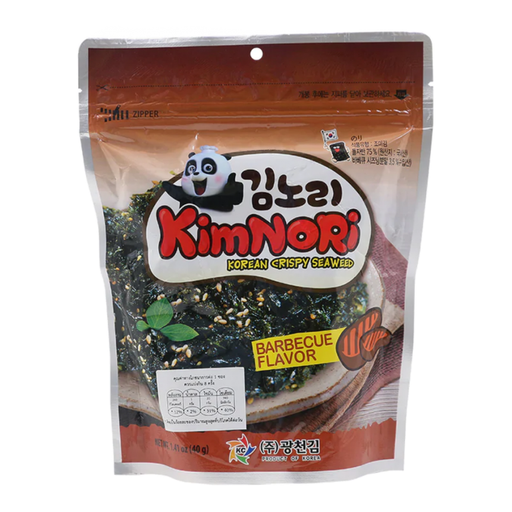
Why This Fits Their Persona: A practical choice for frequent rice-bowl, noodle and salad eaters who prefer a ready-to-sprinkle Korean-style topping.
The flaked format avoids waste from broken sheets and makes it simple to use small amounts across several meals.
40g pack; BBQ seasoning and chilli powder add a pronounced savoury flavour to rice, noodles and salads.
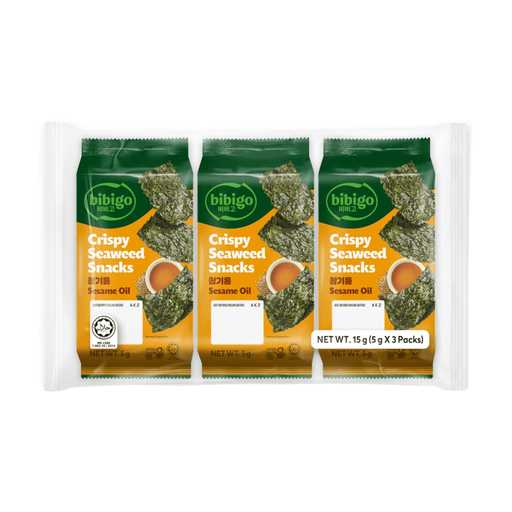
Why This Fits Their Persona: Individual packets suit school or work lunchboxes and help keep each serving crisp until it is opened.
Three 5g portions reduce the need to leave one large opened bag exposed to air and humidity.
Ready to eat; sesame oil provides flavour, while the pack format works for snacks, rice bowls and salads.
We have compiled a complete, real-time list of products that fully satisfy these strict selection criteria and UK safety regulations.
This depends on the packaging and humidity, but opened seaweed can soften quickly. Reseal the packet immediately and store it in a cool, dry place. Individual portions are useful when you do not plan to finish a full pack at once.
Thin sheets and flakes can present a choking risk for young children, so supervise them while eating. Also check the salt level and allergen information, especially for seasoned varieties containing sesame, soy or wheat.
Some roasted seaweed snacks are too small, brittle or heavily seasoned for rolling. For sushi and onigiri, choose appropriately sized nori for sushi or nori for rice balls. Seasoned sheets and flakes are generally more suitable as toppings or ready-to-eat snacks.