
24/7 Customer Support

Free returns

Same-day & Next-day Delivery

Quality Guaranteed

Unlock Your Welcome Offers: FREE Delivery | Up to 80% OFF | Free 30-day JoyPlus trial
Download the APP
Seaweed snacks can be a convenient savoury bite, a lunchbox addition or a quick way to add texture to rice and noodles. However, the category includes very different products: plain Japanese nori, Korean seaweed snacks, seasoned sheets, crispy flakes and sweet or spicy coated varieties.
The packaging can make similar products look interchangeable, yet the wrong choice may leave you with soggy sheets, an unexpectedly salty flavour or a pack that is unsuitable for sushi. This guide explains the practical details to check before buying, followed by our top recommendations for different shopping needs.
Many roasted seaweed products are ready to eat but are too small, oily or fragile for rolling. Seasoned seaweed may also contain salt, sesame oil, soy sauce or sugar, which can alter the flavour of sushi rice.
For maki rolls, hand rolls and onigiri, look for full-size sheets, a stated sheet count and wording such as “sushi nori”, “nori sheets” or “onigiri”. Snack packs are more suitable for eating directly or wrapping around individual rice portions.
Roasted seaweed absorbs moisture quickly. Once opened, sheets can lose their crisp texture, particularly in a warm or humid kitchen. A large bag may appear economical, but it can represent poor value if you do not use it regularly.
Individual portions, such as 5 g snack packs or three-pack dosirak portions, help preserve texture and make them practical for work, school and travel. For larger bags of seaweed flakes, transfer the contents to an airtight container after opening.
Seaweed itself may be a relatively light ingredient, but seasoning can add salt, oil, sugar and flavour enhancers. Compare the salt per 100 g and serving size rather than relying on front-of-pack descriptions.
For children, people following a restricted diet or anyone monitoring salt intake, check the full ingredient list and nutrition panel. “Roasted” does not necessarily mean plain, and “seasoned” can cover a broad range of recipes.
Plain nori is generally the more flexible option for sushi, onigiri and cooking. A 100% seaweed product, such as sushi nori, lets you control the salt and fillings.
Seasoned seaweed is ready to eat and often includes sesame oil, soy sauce, sugar, chilli or wasabi. It works well as a standalone snack or as a topping, but it may not suit delicate sushi recipes. Korean seaweed snacks are commonly roasted and seasoned, giving them a thinner, crispier texture and a stronger savoury profile.
Check the net weight alongside the number of sheets or packets. A 15 g pack containing three 5 g portions serves a different purpose from a 25 g pack containing ten sheets.
Read the ingredients every time, especially if you need to avoid soy, wheat, sesame, fish, crustaceans, molluscs, milk or nuts. Seasoned products can contain soy sauce powder, sesame oil or flavourings, while plain products may still carry cross-contact information.
For example, some products list sesame and soy as allergens, while Yutaka Roasted Seaweed Sushi Nori lists crustaceans and molluscs due to harvesting conditions. Packaging and recipes can change, so use the current label as the final reference.
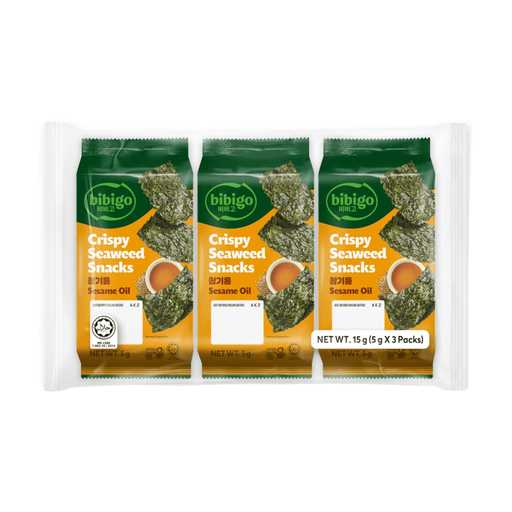
Why This Fits Their Persona: Three individual 5 g packs offer a simple way to try seasoned seaweed without committing to a large bag. They can be eaten directly or added to rice bowls, soups and salads.
The portion format reduces repeated exposure to air, helping limit the freshness problem associated with larger opened bags.
Sesame seasoning; 3 x 5 g individual packets; ready to eat.
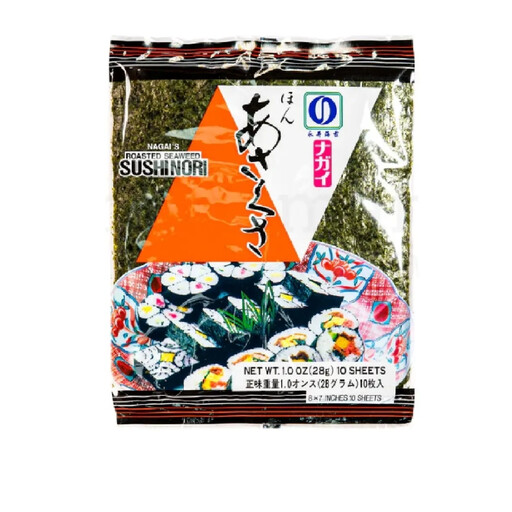
Why This Fits Their Persona: A 10-sheet format is practical for home sushi nights and rice-ball preparation, with sheets described as thin, crispy and suitable for rolling.
It is presented for sushi rolls and onigiri rather than solely as a snack. Keep the inner bag sealed after opening to protect the sheets from moisture.
10 sheets; roasted and seasoned; designed for sushi rolls and rice balls.
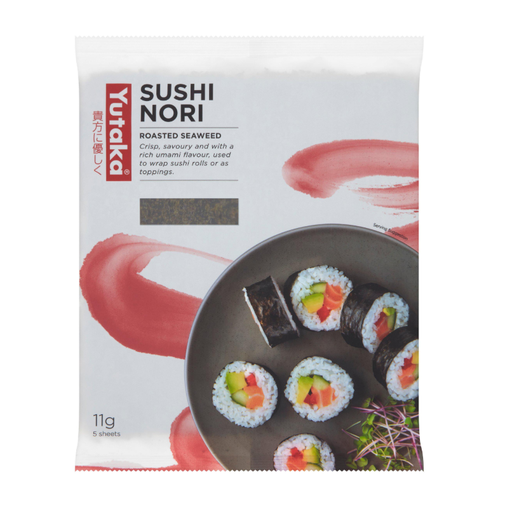
Why This Fits Their Persona: Five roasted sheets suit shoppers who regularly prepare sushi, onigiri or garnishes and prefer a plain seaweed base.
The product is identified as sushi nori, helping distinguish it from small seasoned snack sheets. Check the stated shellfish cross-contact information before purchase.
100% seaweed ingredients; five sheets; suitable for sushi rolls, onigiri and garnishing.

Why This Fits Their Persona: Three individual portions are convenient for packed lunches, family sharing or a small side dish with rice.
Individual packs reduce the need to reopen one large bag repeatedly. The original seasoning also avoids committing to a chilli, BBQ or wasabi flavour.
Three 4.5 g packs; original seasoning; ready to eat with rice or as a lunchbox snack.
We have compiled a complete, real-time list of products that fully satisfy these strict selection criteria and UK safety regulations.
Keep seaweed snacks in a cool, dry place, away from sunlight, heat and strong odours. Reseal the inner packet or use an airtight container as soon as possible. Do not refrigerate products unless the packaging specifically instructs you to do so, as condensation can affect crispness.
Use plain sushi nori for maki, temaki and onigiri. Seasoned sheets can be wrapped around warm rice, while seaweed flakes work well over noodles, soups, salads and rice bowls. Avoid adding flakes too early to wet dishes if you want to retain their crunch.
Thin sheets can be difficult for very young children to handle safely. Follow the product’s packaging guidance and supervise children while eating.
Some are, but not all. Choose full-size sushi nori sheets or a product specifically labelled for sushi and onigiri. Seasoned snack sheets can work for rice balls, although their added oils, salt and flavourings may affect the final taste.
There is no single lifespan once opened. Crispness depends on humidity, packaging and how often the pack is exposed to air. Individual packs are generally more convenient for preserving texture; larger bags should be resealed tightly and consumed promptly according to the label.
Portioned Korean seaweed snacks and dosirak packs can be convenient lunchbox additions. Check the salt and allergen information first, particularly for seasoned products containing soy, wheat or sesame. Supervise younger children because thin, brittle sheets can present a choking risk.