
24/7 Customer Support

Free returns

Same-day & Next-day Delivery

Quality Guaranteed

Unlock Your Welcome Offers: FREE Delivery | Up to 80% OFF | Free 30-day JoyPlus trial
Download the APP
As a nation of snack lovers, we're always on the lookout for something that satisfies a craving without the guilt. Enter seaweed snacks: crispy, savoury and full of that unique umami flavour. But as their popularity has grown, so has the confusion. It's easy to end up with a snack that's not what you expected, either in taste, texture or nutritional value.
Many of us have been there. You buy a multipack of what you think are healthy snacks for the kids' lunchboxes, only to find they are loaded with more salt and sugar than a packet of crisps. Or you pick up a bag of seaweed crisps expecting a substantial crunch, but end up with delicate, paper-thin sheets that dissolve instantly. These common pitfalls can turn a promising new snack into a disappointing purchase. This guide will help you navigate the shelves and choose the right seaweed snack for your needs.
To avoid disappointment, it pays to look past the front-of-pack marketing and check a few key details. Understanding these parameters will ensure you get the texture and flavour you're looking for.
The term "seaweed snack" covers a surprisingly wide range of products, and the format dictates the entire experience.
gim) and Japanese yaki nori. They are perfect for light snacking or for wrapping around rice.While classic sea salt is always a popular choice, the world of Asian snacks offers an exciting array of flavours. You can find everything from the fiery kick of wasabi seaweed snacks to the smoky-sweet notes of Korean BBQ (Bulgogi).
However, this is where the "health halo" can be misleading. Always check the nutritional information on the back of the pack. A flavourful seasoning can sometimes come with high levels of sugar or sodium, which might not align with your goal of finding low-calorie snacks. A quick glance at the ingredients and the 'per 100g' values will give you a clear picture of what you're consuming.
To help you make a confident choice, we've matched some excellent options to different snacking preferences and needs.
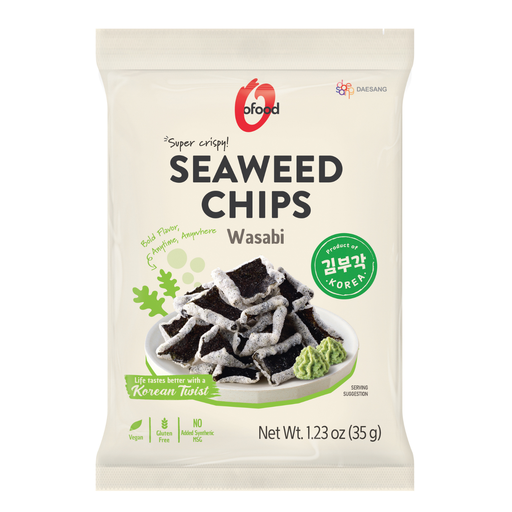
Why This Fits Their Persona: For those who find plain salted snacks a bit boring, this delivers a proper kick. The sharp, pungent wasabi flavour is bold and exciting, making it a perfect partner for an evening drink or as a pick-me-up during a workday slump.
This is clearly a 'chip', not a thin sheet. The rice flour coating provides the substantial, airy crunch you'd expect, avoiding any texture disappointment.
It's gluten-free and vegan-friendly, catering to various dietary needs without compromising on its intense flavour profile.

Why This Fits Their Persona: This multipack of Itsu seaweed thins is ideal for lunchboxes or after-school snacks. The simple sea salt seasoning is a crowd-pleaser, and the individual packs make portion control effortless.
It sidesteps the "hidden nasties" trap with a very simple ingredient list: seaweed, olive oil and sea salt. The nutritional information is clear, showing very low sugar content.
Each 5g pack contains only 26 calories, making it a genuinely light option. The seaweed is also sustainably sourced.
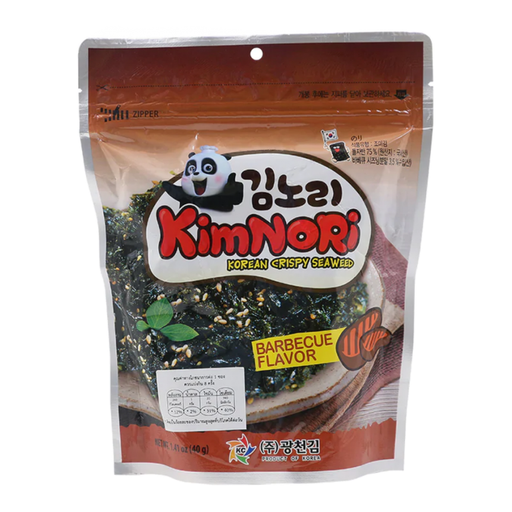
Why This Fits Their Persona: This is for the person who sees seaweed as an ingredient. These crispy, BBQ-flavoured flakes are perfect for elevating everyday meals. Sprinkle them over a bowl of rice, add crunch to a salad or finish a noodle soup.
The "flaked" description is prominent, so you know you're not getting whole sheets. This sets the correct expectation for its use as a versatile topping, not a hand-held snack.
It offers an instant flavour and texture boost to meals with zero effort. The authentic Korean BBQ seasoning is a delicious way to add a smoky and sweet umami profile.
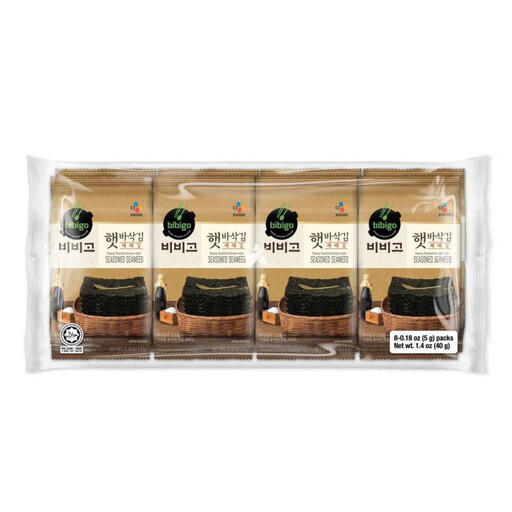
Why This Fits Their Persona: This is for someone seeking the authentic Korean seaweed experience. The bibigo seaweed thins are perfectly roasted and seasoned with a classic blend of soy sauce and sesame oil for that unmistakable savoury, nutty flavour.
It delivers exactly what it promises: classic, thin and crispy sheets. The eight individual 5g packs solve the problem of a large bag going stale after being opened.
The multipack format ensures maximum freshness and portability, making it easy to grab a pack for a snack on the go without compromising on crispness.
We have compiled a complete, real-time list of products that fully satisfy these strict selection criteria and UK safety regulations.
Moisture is the enemy of crispy seaweed. Once a pack is opened, the best way to maintain its texture is to transfer any leftovers to a completely airtight container. Store it in a cool, dry cupboard away from sunlight. Avoid putting it in the fridge, as condensation can make it lose its crispness. For best results, consume it within a day or two of opening.
Seaweed itself is a source of minerals like iodine and is naturally low in calories. This makes it a great base for a healthier snack. However, the final nutritional profile depends heavily on how it's prepared and seasoned. Some products can be high in salt, sugar or oil. To make a health-conscious choice, always check the nutritional information on the label.
Fundamentally, 'gim' (Korean) and 'nori' (Japanese) both refer to edible seaweed from the same family of red algae. The main difference lies in their typical preparation and use. Korean gim is almost always roasted and seasoned, commonly with sesame oil and salt, and eaten as a snack or side dish. Japanese yaki nori is often sold as plain, unseasoned roasted sheets, primarily intended for making sushi rolls (maki) and rice balls (onigiri).