
24/7 Customer Support

Free returns

Same-day & Next-day Delivery

Quality Guaranteed

Unlock Your Welcome Offers: FREE Delivery | Up to 80% OFF | Free 30-day JoyPlus trial
Download the APP
As a Joybuy Product Recommendation Officer, my role is to help you navigate the crowded snack aisle. Seaweed snacks have surged in popularity across the UK, appearing as a flavourful alternative to traditional crisps. However, not all options are created equal. Many shoppers find themselves with a product that is unexpectedly high in salt, has a texture they didn't anticipate or worse, isn't a snack at all.
This guide will help you understand the key differences in seaweed snacks, so you can choose the right product for your taste and lifestyle without falling into common purchasing pitfalls.
Before you add that packet to your basket, be aware of these frequent issues:
To make an informed choice, focus on these three practical parameters. They will help you distinguish between different types of healthy Asian snacks and find exactly what you're looking for.
The type of seaweed used determines the snack's fundamental texture and taste.
How the seaweed is prepared dictates whether it's a crispy treat or a savoury, moist bite.
Always check the label, paying close attention to the values per 100g for an accurate comparison between products. Look at the salt and fat content. A snack might seem low in calories per serving, but if the serving size is only 5g, the numbers can be misleading. This is the most reliable way to see past the "healthy" marketing and understand what you are actually consuming.
Based on these practical criteria, here are a few recommendations tailored to different preferences and needs.

Why This Fits Their Persona: Ideal for the health-conscious individual in the UK seeking a simple, light and satisfyingly savoury snack. The pre-portioned 5g packs are perfect for lunchboxes or a quick bite without overindulging.
With just three ingredients (seaweed, olive oil and sea salt) and a very low calorie count per pack, it sidesteps the "healthy halo" trap by being genuinely simple and transparent.
It is a classic roasted nori snack, delivering the expected light, crispy texture. The multipack format helps maintain freshness.
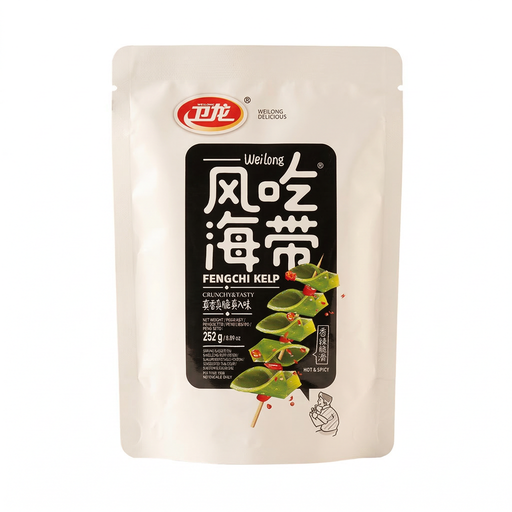
Why This Fits Their Persona: This is for the snacker who is bored of plain salt and wants a powerful flavour hit. The complex Sichuanese seasoning provides a tangy, spicy and deeply savoury experience that is very different from typical crisps.
This product avoids texture confusion. It is clearly a marinated spicy kelp snack, so you know to expect a chewy, moist bite rather than a brittle crisp.
It offers an authentic East Asian flavour profile that is hard to find in mainstream UK snacks. The individual packs inside the larger bag make it convenient for sharing or portion control.
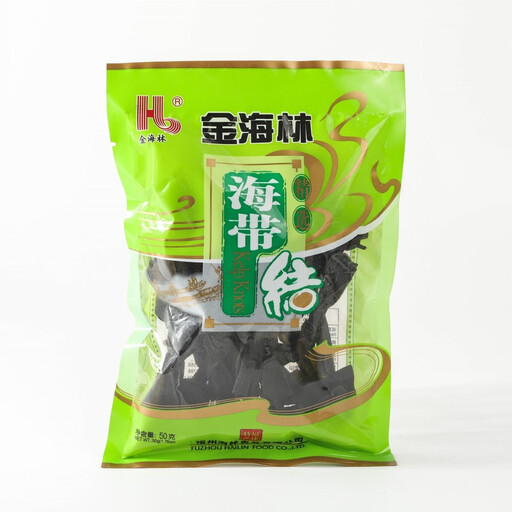
Why This Fits Their Persona: This is for the home cook who wants to add authentic ingredients to their East Asian cuisine, whether it's a Japanese hot pot, a Korean soup or a Chinese salad. It provides texture and a subtle ocean flavour.
This product directly addresses the "snack vs. ingredient" pitfall. It is explicitly sold as dried kelp for soup and requires cooking, ensuring the buyer knows its intended purpose is for the kitchen, not the lunchbox.
It is pure, unseasoned kelp, giving the cook complete control over the final flavour of their dish. The knotted shape is convenient and adds visual appeal.
We have compiled a complete, real-time list of products that fully satisfy these strict selection criteria and UK safety regulations.
It depends entirely on the product. Seaweed itself is a source of minerals, but the final health profile of the snack is determined by its preparation. Roasted nori snacks with minimal oil and salt can be a great low calorie snack. However, some marinated kelp snacks or flavoured crisps can be high in sodium or oils. The most reliable approach is to ignore front-of-pack claims and check the nutritional information per 100g.
The main difference is texture. Nori snacks are made from thin sheets of seaweed that are roasted until light and crispy. Kelp snacks are made from a much thicker sea vegetable, resulting in a chewy, more substantial bite and they are often sold marinated in a sauce.
For crispy seaweed thins, moisture is the enemy. They should be stored in a cool, dry place away from direct sunlight. Once a packet is opened, it is best to consume it promptly. If the product comes in a resealable bag or multipack, ensure it is sealed tightly after opening to preserve its crispness.