
24/7 Customer Support

Free returns

Same-day & Next-day Delivery

Quality Guaranteed

Unlock Your Welcome Offers: FREE Delivery | Up to 80% OFF | Free 30-day JoyPlus trial
Download the APP
Japanese and Korean seaweed snacks can be a convenient cupboard staple, but the wrong format may leave you with soft sheets, an unexpectedly salty flavour or a pack that does not suit your intended recipe. UK shoppers often buy based on attractive packaging or words such as “authentic” and “natural”, without checking the details that affect everyday use.
Before choosing between roasted seaweed snacks, seasoned seaweed, nori sheets or Korean laver, watch for these common pitfalls:
For sushi rolls, hand rolls and rice balls, look for whole nori sheets, often labelled sushi nori, yaki nori or seaweed for sushi. A pack such as Yutaka Roasted Seaweed – Sushi Nori provides five sheets made from seaweed, while other options offer 10 or 20 sheets for regular home cooking.
For snacking, choose thin roasted or seasoned sheets, individually wrapped portions or crisp-style products. These are ready to eat and can also be paired with a rice bowl. For a topping, select seaweed flakes or a mixed rice seasoning, which can be scattered evenly without cutting or crumbling sheets yourself.
Plain nori generally has a shorter ingredient list and a more flexible flavour profile. Seasoned seaweed may include sesame oil, vegetable oil, sugar, soy sauce, chilli or BBQ flavouring. These ingredients affect taste, salt levels and suitability for different diets.
Under UK food labelling practice, allergens should be clearly identified on the packaging. Common allergens in Japanese and Korean seaweed snacks include sesame, soya and wheat. Some plain products may also carry a cross-contact warning for crustaceans or molluscs because of harvesting or shared handling environments. Always check the current pack before buying, particularly when serving children or anyone with a food allergy.
A 3 x 5g or 5g x 8 pack can help preserve crispness because each portion remains sealed until needed. Larger 40g–85g bags may suit families or frequent cooks, but they need careful storage.
Keep opened seaweed in a cool, dry place, away from sunlight and strong odours. Reseal the inner packaging or transfer the contents to an airtight container. Do not leave a pack open beside a steaming rice cooker, kettle or hob. Moisture is the main cause of soft, chewy texture.

Why This Fits Their Persona: Three individual 4.5g packs offer a straightforward way to try Korean laver for lunchboxes, rice or casual snacking without committing to a large bag.
Individual portions reduce repeated exposure to air and moisture, while the original seasoning is suited to rice and direct eating rather than being sold as plain sushi nori.
Three ready-to-eat packs; ingredients list includes seaweed, rapeseed oil, sesame oil and salt.
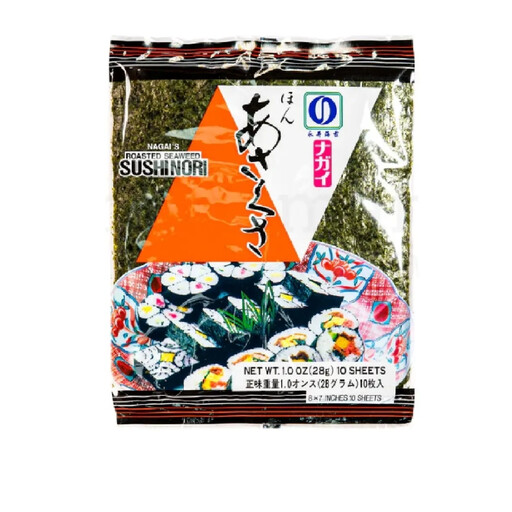
Why This Fits Their Persona: Home cooks seeking seasoned Japanese-style sheets for sushi rolls, onigiri and rice toppings receive 10 thin sheets in a 30g pack.
The product description specifies sushi rolls and rice balls, while its roasted and seasoned format makes the flavour profile clear before purchase.
10 sheets; ready to eat; suitable for rolling, wrapping or cutting into strips.
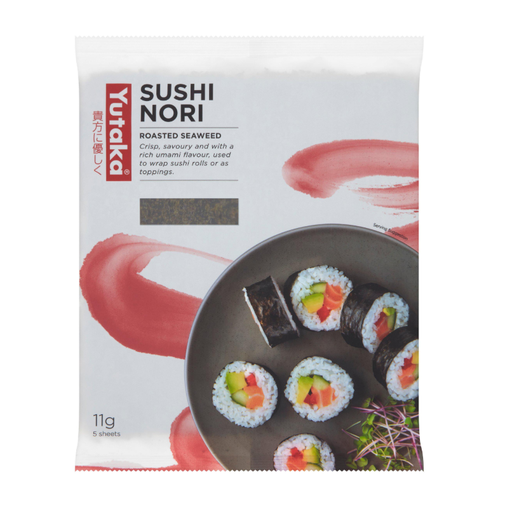
Why This Fits Their Persona: A five-sheet pack is practical for occasional sushi nights, homemade hand rolls and small batches of onigiri.
It is identified as sushi nori and lists seaweed as the ingredient, helping distinguish it from heavily seasoned Korean BBQ seaweed or snack crisps.
Five roasted sheets; suitable for sushi rolls, onigiri and garnishing soups or salads.
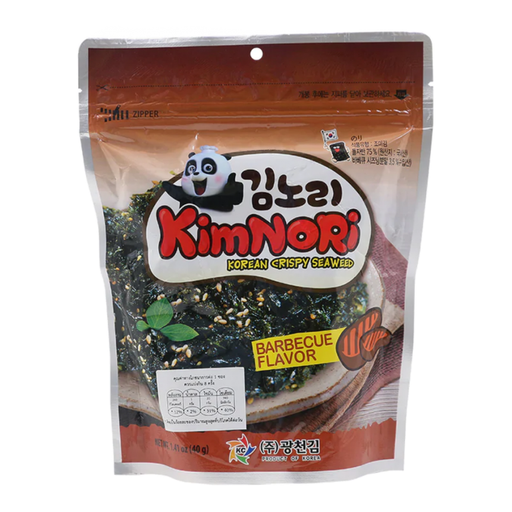
Why This Fits Their Persona: Frequent users who add seaweed to rice bowls, noodles, salads and soups can use the ready-to-eat flakes without preparing sheets.
The flaked format is clearly intended for topping and snacking, so it avoids the mismatch of trying to roll broken or seasoned pieces into sushi.
40g format; Korean BBQ seasoning; suitable for rice, noodles, salads and soups.
We have compiled a complete, real-time list of products that fully satisfy these strict selection criteria and UK safety regulations.
No. Japanese products commonly include nori sheets intended for sushi, hand rolls and onigiri, while Korean laver is often roasted and seasoned with oil, salt, sesame or other flavours. There are exceptions, so the ingredient list and intended use are more reliable than the country label alone.
You can, but seasoned snack sheets may tear, be too small or add flavours that do not suit the filling. For reliable rolling, choose products specifically labelled sushi nori or seaweed for sushi. Use snack sheets as a side, garnish or rice accompaniment.
There is no single timeframe because packaging, humidity and handling differ. Individual sachets generally protect unused portions more effectively. Once opened, reseal the pack immediately, store it somewhere cool and dry, and consume it promptly if the texture begins to soften. Always follow the best-before and storage information on the packaging.