
24/7 Customer Support

Free returns

Same-day & Next-day Delivery

Quality Guaranteed

Unlock Your Welcome Offers: FREE Delivery | Up to 80% OFF | Free 30-day JoyPlus trial
Download the APP
Seaweed snacks can be a convenient addition to a packed lunch, rice bowl or quick evening snack. However, the product format matters more than attractive packaging. A thin roasted sheet intended for immediate eating will not perform like dried wakame for soup, while a seasoned laver snack may contain considerably more salt, oil or allergens than an unseasoned product.
For UK shoppers, three common buying pitfalls are worth avoiding:
The product name and usage instructions should match how you plan to eat it.
Do not substitute dried wakame for crispy seaweed when you want an immediate snack. Wakame absorbs water and changes substantially in size and texture after rehydration.
Seasoned products can include more than seaweed. Check for sesame, soy, wheat, fish, crustaceans, molluscs and milk where relevant. For example, some flavoured products use soy sauce powder, sesame oil or seafood flavouring.
An unseasoned product may have a short ingredient list, such as dried seaweed or laver only. This can be useful for home cooks who want to control salt and seasoning. By contrast, Korean seaweed snack products may use vegetable oil, sesame, sugar and salt to create a crisp, savoury profile.
UK food labels should be checked every time, particularly if buying a product for children, someone with an allergy or a household with specific dietary requirements. Product packaging remains the final reference for allergen and nutritional information.
A 60g bag and a 15g multi-pack serve different needs. Individually wrapped portions can help preserve crispness and suit office drawers, school lunchboxes or travel. A larger bag may be more suitable for a household that uses seaweed flakes or laver regularly.
After opening, reseal the packet tightly or transfer the contents to an airtight container. Store in a cool, dry place away from direct sunlight and moisture. Avoid leaving crispy seaweed beside a kettle, hob or sink, where steam can soften it. Follow the stated storage instructions and consume promptly after opening for the intended texture.
The following recommendations are organised by use case rather than broad marketing claims. Check the latest product page and packaging before purchase, as ingredients, pack design and availability can change.

Why This Fits Their Persona: Three individual servings offer a straightforward way to try seasoned Korean laver for lunchboxes, rice dishes or quick snacking without committing to a larger pack.
The serving format makes freshness easier to manage than repeatedly opening one large bag. The original seasoning also avoids committing to a stronger chilli or seafood flavour.
Three separate packs; ready to eat; suitable with rice and noodles. The listed allergen is sesame.
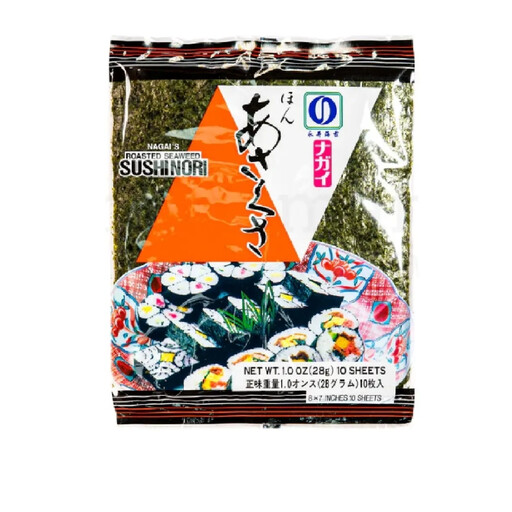
Why This Fits Their Persona: Designed for home sushi makers and onigiri preparation, this Japanese-style sheet format supports neat rolling, wrapping and cutting for carefully prepared meals.
The stated 10-sheet format is clearer for recipe planning than a loose flake product. Sheets are described as thin yet resilient, helping with sushi rolls and rice balls.
10 sheets in a 30g pack; ready to eat; suitable for sushi rolls, onigiri and toppings. Storage requires protection from moisture.
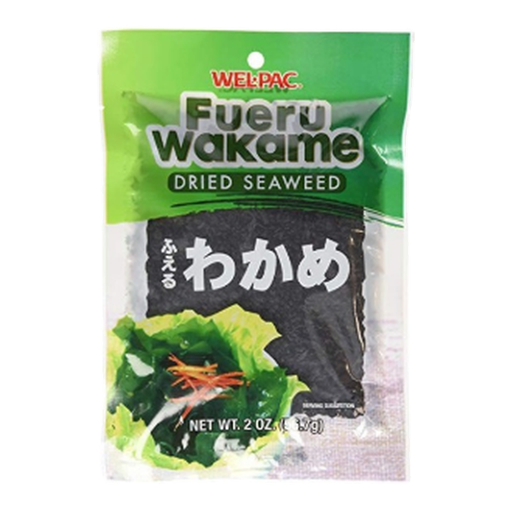
Why This Fits Their Persona: A practical pantry ingredient for shoppers who regularly make miso soup, ramen, salads, sunomono or other dishes requiring dried wakame seaweed.
The pack is clearly a dried cooking ingredient rather than a ready-to-eat crispy snack, reducing the risk of using the wrong format for soups and salads.
Single-ingredient dried wakame; suitable for soups and salads; ambient storage. The listing notes naturally high sodium and iodine, so use in moderation.
We have compiled a complete, real-time list of products that fully satisfy these strict selection criteria and UK safety regulations.
For products containing sesame, soy or seafood flavourings, check the bold allergen declaration before serving. Crispy sheets and flakes can also be difficult for very young children to manage, so supervise them while eating.
Most roasted and seasoned seaweed snacks are ready to eat and require no cooking. Dried wakame and some plain laver products are intended for soaking, rinsing or cooking, so read the usage instructions before opening.
They remain crispest in sealed individual packs. Once opened, moisture from the air can soften thin sheets within a short time. Reseal the packet or use an airtight container and follow the product’s storage guidance.
Suitability depends on the product’s salt, oil, seasoning and portion size. Some dried seaweed products are naturally high in sodium or iodine, while seasoned varieties may also contain soy, sesame or wheat. Use the nutrition panel and ingredient list to decide how they fit into your diet.