
24/7 Customer Support

Free returns

Same-day & Next-day Delivery

Quality Guaranteed

Unlock Your Welcome Offers: FREE Delivery | Up to 80% OFF | Free 30-day JoyPlus trial
Download the APP
Seaweed snacks are convenient, lightweight and versatile, but the packet size alone does not tell you whether a product suits your needs. Some packs are designed for immediate snacking, while others are plain sheets intended for sushi, onigiri or cooking. Choosing the wrong type can mean soggy nori, excessive salt, unsuitable allergens or paying snack prices for a product you mainly wanted to use in the kitchen.
Before buying Korean seaweed snack products, Japanese nori or Asian seaweed snacks, look beyond phrases such as “light”, “natural” or “healthy”. The practical details are usually found in the ingredient list, nutrition panel, sheet format and storage instructions.
Roasted seaweed may look similar across different products, but seasoned seaweed often contains oil, salt, sugar, soya sauce or sesame. This can make it enjoyable straight from the packet, but less suitable for delicate sushi flavours.
Plain or lightly seasoned sushi nori is generally more adaptable for maki rolls, hand rolls and onigiri. Seasoned laver, by contrast, works well as a standalone snack or crumbled over rice, noodles and soups.
A 60g bag, a 4 x 5g seaweed snacks multipack and a pack of ten sheets serve different purposes. Large bags can be economical for family meals, but once opened, moisture quickly affects the texture. Individual packs may cost more per gram while helping preserve crispness and portion control.
Compare the net quantity, number of servings and packaging format rather than relying on the outer pack size.
Seaweed products can be relatively light per serving, but seasoning and added oils change the nutritional profile. For example, listed salt values in the supplied products range from 1.6g to 8g per 100g. Some seasoned options also contain sesame, soya or wheat.
Always read the UK label, particularly if buying for children, lunchboxes or anyone with food allergies. Marketing descriptions should not replace the allergen statement or nutrition table.
For a simple Japanese nori product, look for seaweed or nori as the only ingredient. Yutaka Roasted Seaweed Sushi Nori lists seaweed as its ingredient, while Fangjia Puzi Sushi Nori is also made with 100% seaweed. These formats are useful when you want to control the flavour of sushi rice, rice balls or noodle dishes.
Seasoned products provide more immediate flavour. Korean seaweed snack varieties may include sesame oil, vegetable oil, soya sauce, sugar, ginger or salt. Check whether the seasoning contains soya, sesame, wheat or gluten, and remember that “may contain” statements refer to possible cross-contact.
Full sheets are useful for sushi rolls, onigiri and wraps. Smaller pieces or individual dosirak packs are easier for lunchboxes and direct snacking. Flakes are more practical for sprinkling over rice, porridge, ramen, salads and soups.
For seaweed for sushi and onigiri, check the sheet count and weight. A product with 20 smaller sheets may suit packed lunches better than ten larger sheets, while full-size sheets are more convenient for maki rolls.
Nori loses its crisp texture when exposed to humidity. Choose resealable or individually wrapped packaging if you do not expect to finish a pack quickly. Store opened seaweed in a cool, dry place away from sunlight and moisture, and seal it tightly. Refrigeration is not generally recommended for the supplied products because condensation can soften the sheets.
For snacks, consume an opened individual pack promptly. For larger bags, an airtight container can help reduce moisture exposure.

Why This Fits Their Persona: Three individual 4.5g packs provide a straightforward way to try seasoned Korean seaweed without committing to a large bag. They suit lunchboxes, desk drawers and quick rice toppings.
The serving format makes freshness easier to manage than opening one large snack bag. The listing identifies sesame as an allergen, so shoppers can check suitability before purchase.
Individual portions; ready to eat; suitable for rice, noodles and direct snacking.
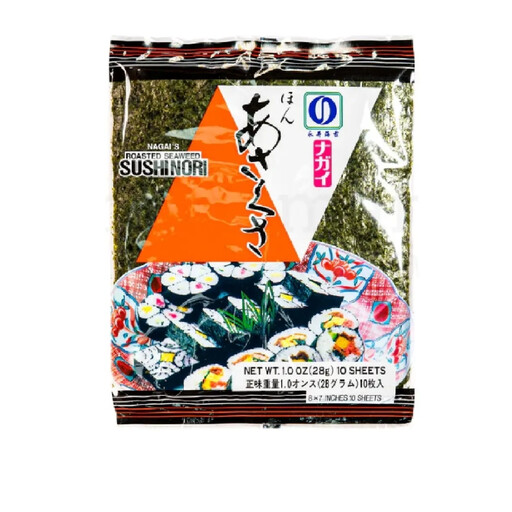
Why This Fits Their Persona: Its ten-sheet format and stated suitability for sushi rolls and rice balls make it appropriate for shoppers who prioritise Japanese-style preparation and neat handling.
The listing specifies sheet quantity, weight and storage guidance, helping you compare it with snack-sized packs rather than judging by appearance alone.
Ten sheets; thin format for rolling; ready to eat without further cooking.
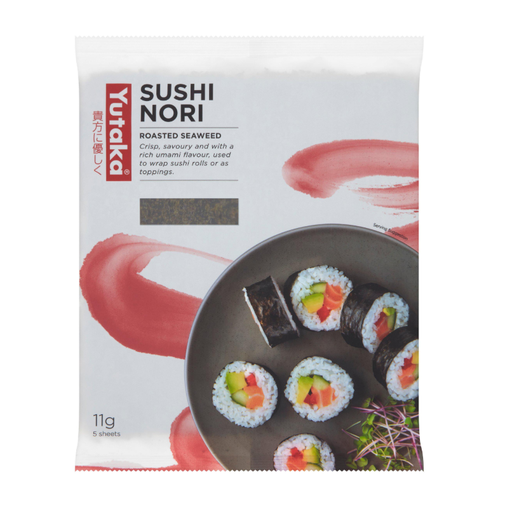
Why This Fits Their Persona: Five roasted sheets are suited to home cooks making sushi, onigiri or garnishes for soups and salads, without added seasoning dominating the dish.
The ingredient list identifies seaweed only, making it easier to distinguish plain sushi nori from seasoned seaweed snacks. The listing also flags possible crustacean and mollusc cross-contact.
100% seaweed ingredient listing; suitable for sushi, onigiri and garnishing; five-sheet pack.
We have compiled a complete, real-time list of products that fully satisfy these strict selection criteria and UK safety regulations.
Some are, but check the product description first. Plain roasted sheets are usually more adaptable for sushi and onigiri. Seasoned products containing soya sauce, sugar, sesame oil or extra salt may change the flavour and can be harder to roll neatly.
Keep it sealed in a cool, dry place away from sunlight, humidity and strong odours. An airtight container can help with larger packs. Individual snack portions should be eaten soon after opening to retain their crisp texture.
Individually packed products can be convenient, but check the salt level and allergen information first. Sesame, soya and wheat appear in several seasoned varieties. Thin seaweed can also break into small pieces, so young children should be supervised while eating.