
24/7 Customer Support

Free returns

Same-day & Next-day Delivery

Quality Guaranteed

Unlock Your Welcome Offers: FREE Delivery | Up to 80% OFF | Free 30-day JoyPlus trial
Download the APP
Buying seaweed snacks and nori in the UK can be surprisingly confusing. A small packet may contain plain roasted sheets, sweetened seasoning, oil, chilli or a completely different seaweed such as wakame. Choosing by attractive packaging alone can leave you with softened sheets, an unsuitable flavour or far less food than expected.
This guide explains what to check before buying, then matches several options to different shopping needs.
Nori is the thin seaweed commonly used for sushi, onigiri and snack sheets. Wakame is usually sold dried in pieces or flakes and expands when soaked, making it more suitable for soups, salads and side dishes. They are not interchangeable in every recipe.
A pack labelled “seaweed” could therefore mean sushi nori sheets, dried wakame seaweed, roasted seaweed snacks or seasoned seaweed flakes. Check the ingredient name and intended use rather than relying on the front-of-pack photograph.
Seaweed is light, so a seemingly substantial bag may contain only a few servings. Seasoned products can also include oil, sugar and salt, changing the nutritional profile compared with plain nori. Compare the net weight, serving size and ingredients list, not just the packet dimensions.
Roasted seaweed snacks and sushi sheets lose their crisp texture quickly when exposed to humidity. A resealable inner bag or airtight storage is useful, particularly in a steamy kitchen.
Seasonings may include sesame, soya, wheat or gluten, while some plain seaweed products may carry harvesting or cross-contact warnings for shellfish. Always read the current UK packaging and bold allergen declaration before eating.
Choose the format that matches how you will use it:
Plain products with 100% seaweed give you more control over salt and flavour. Seasoned options are convenient for eating straight from the pack or adding an instant savoury note to rice and noodles, but inspect the quantities of oil, sugar and salt.
For example, Kimnori Jaban BBQ contains dried laver, rapeseed oil, sesame oil, sugar and BBQ seasoning, while a chilli version includes hot pepper flavouring and sesame. These are flavour-led toppings rather than interchangeable plain cooking ingredients.
Compare the total weight with the way you plan to use the product. A 40g flaked pack may provide numerous rice toppings, whereas a 5g snack pack is designed for individual portions.
Store unopened seaweed in a cool, dry place away from direct sunlight. Once open, reseal it tightly or transfer it to an airtight container. Dried seaweed can be naturally high in iodine and salt, depending on the product, so check the nutrition panel and enjoy it as part of a balanced diet. This is particularly relevant when eating large quantities regularly or when following specific dietary advice.
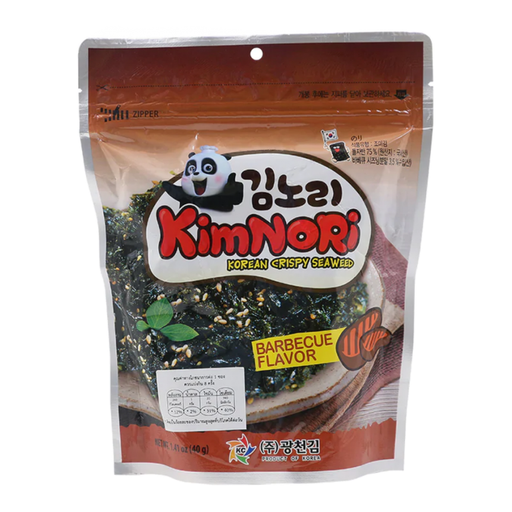
Why This Fits Their Persona: A ready-to-eat Korean-style option for shoppers who want one pack to cover snacks, rice bowls, noodles and salads without buying separate toppings.
Its flaked format makes the usable amount clear, while the BBQ seasoning is stated in the ingredients rather than presenting a plain product as a flavoured snack.
Ready to eat; suitable for rice, noodles, soups and salads. Contains sesame, soya and wheat, which are clearly identified in the supplied product information.
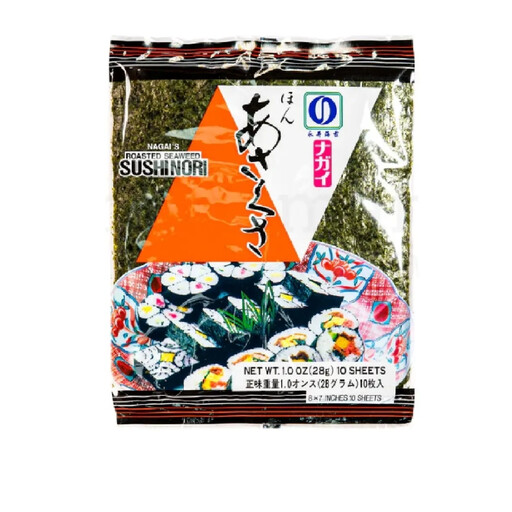
Why This Fits Their Persona: Designed for home cooks who want dedicated sheets for sushi rolls, rice balls and neatly cut toppings.
The pack specifies 10 sheets and 30g total, reducing uncertainty about quantity when planning a sushi-making session.
Roasted sheets with a delicate umami profile; suitable for sushi rolls, onigiri and strips used as toppings.
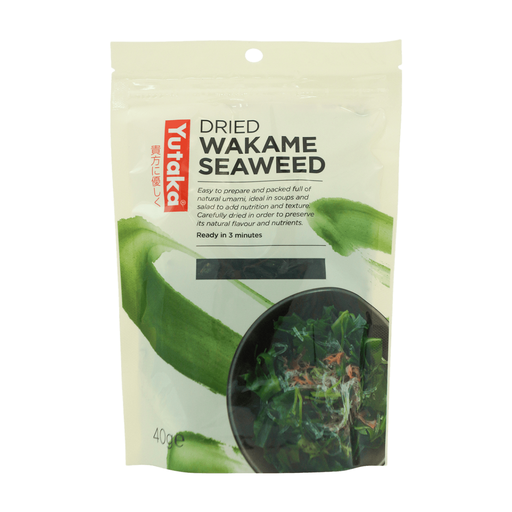
Why This Fits Their Persona: A practical cupboard ingredient for regular miso soup, ramen, salads, rice bowls and noodle dishes.
It is clearly identified as wakame, so buyers do not mistake a rehydrating soup ingredient for a crisp snack sheet.
Single-ingredient wakame; rehydrates in a few minutes and can be added to soups, salads and stir-fries.
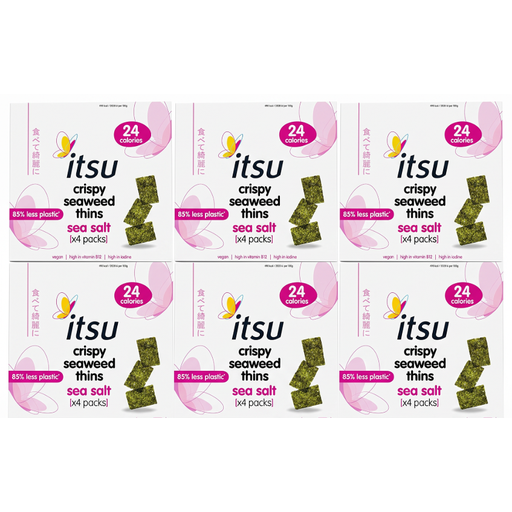
Why This Fits Their Persona: Individually portioned crispy seaweed thins suit packed lunches, desk drawers and quick savoury snacks.
The pack format makes portion size visible, while the ingredient list specifies nori, olive oil and sea salt rather than a complex flavour blend.
5g individual servings; thin, roasted texture; sesame and soya cross-contact information is provided.
We have compiled a complete, real-time list of products that fully satisfy these strict selection criteria and UK safety regulations.
Keep unopened packs away from moisture, sunlight and strong odours. After opening sushi nori sheets, close the inner wrapper immediately. If they become soft, a brief, gentle warming may restore some crispness, but avoid burning the thin sheets.
For dried wakame, soak only the amount required, following the packet instructions. Drain well before adding it to soups or salads. Seasoned flakes can be sprinkled over hot rice just before serving; steam can soften them, so add them at the table for more crunch.
Not always. Nori is a specific type of thin seaweed commonly roasted into sheets. Seaweed snacks may use nori but can also be flaked, seasoned, fried or formed into crispy seaweed thins. Check the format, ingredients and intended use.
There is no single lifespan because humidity, packaging and storage conditions vary. For the most consistent texture, reseal the pack immediately and consume it promptly. An airtight container can help reduce moisture exposure.
Yes. Plain nori can be torn into soups, salads, noodles or rice bowls, although it softens quickly. For recipes where you want a tender, expanded seaweed texture, choose dried wakame seaweed instead.