
24/7 Customer Support

Free returns

Same-day & Next-day Delivery

Quality Guaranteed

Unlock Your Welcome Offers: FREE Delivery | Up to 80% OFF | Free 30-day JoyPlus trial
Download the APP
Seaweed snacks can be an easy addition to a lunchbox, rice bowl or office drawer. However, product descriptions often make similar packs sound interchangeable when they may differ considerably in flavour, texture, serving size and intended use.
Three common buying pitfalls are worth avoiding:
The right choice depends on whether you want a crisp savoury snack, a rice topping, sushi-making sheets or an ingredient for soups and salads.
Roasted seaweed and seasoned seaweed are generally ready to eat. They are thin, crisp and often packed in small portions to reduce exposure to moisture. Korean seaweed snacks, sometimes labelled gim or laver, commonly include vegetable oil, sesame oil, salt, sugar or soy-based seasoning.
Plain Japanese nori sheets are more useful for sushi rolls and onigiri. They can also be cut into strips or crumbled over noodles, but their large sheet format is less convenient for casual snacking.
Dried wakame is different again. It is intended to be rehydrated before adding to miso soup, ramen, salads or side dishes. It expands in water, so a small dry quantity can provide several meal portions.
For commuting, school lunches or desk snacks, individually wrapped portions have a practical advantage. A seaweed snacks multipack such as 5g portions can help keep unused sheets crisp and make serving sizes easy to understand.
Larger 40g–72g packs may offer better cupboard value for frequent users, particularly if you plan to make a seaweed rice topping or use flakes in several dishes. They also require careful resealing. Once opened, seaweed quickly loses its crunch when exposed to humidity.
Check:
Always read the UK label rather than relying on front-of-pack language. Common allergens in seasoned products include soy, wheat and sesame. Some flavoured products may also contain fish, crustaceans, molluscs, egg or milk, either as ingredients or through shared production.
Nutrition panels can vary substantially. For example, one seasoned product may list 7.2g of salt per 100g, while another lists 2.3g. Because portion sizes are small, compare both the per 100g and per serving information. Seaweed products can be part of a varied diet, but a strongly seasoned or preserved option should not automatically be treated as an everyday low-salt food.
For people managing allergies, follow the current packaging information and do not assume that plain-looking nori is free from cross-contact warnings.

Why This Fits Their Persona: The 3 x 5g format gives occasional snackers a small way to try Korean seaweed snacks without committing to a larger pouch. It suits packed lunches, work drawers and short trips.
Individual packets limit repeated exposure to air and moisture, while the 15g net quantity makes the purchase size clear.
Bulgogi flavour, roasted crisp texture and three separately packed servings. Contains soy, wheat and sesame.

Why This Fits Their Persona: A four-pack of thin crisps suits shoppers who prefer a simple sea-salt profile for weekday snacking, lunchboxes or pairing with a rice bowl.
The ingredient list is short: nori, olive oil and sea salt. The 4 x 5g format also avoids leaving one large opened sheet pack in a humid kitchen.
Sea-salt seasoning and 5g portions. The product carries a sesame and soy cross-contact warning.
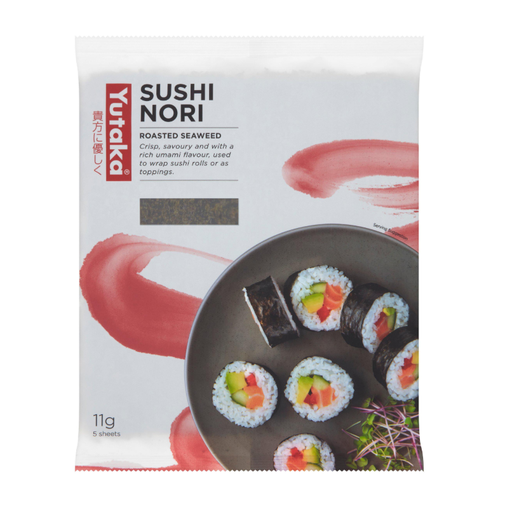
Why This Fits Their Persona: Five roasted sheets are suited to homemade sushi rolls, onigiri and garnishing soups or salads, rather than only eating straight from the packet.
It is clearly specified as sushi nori with seaweed listed as the ingredient, so buyers are less likely to mistake a flavoured snack pack for a wrapping sheet.
Five full roasted sheets and a plain format for sushi, onigiri or cutting into toppings. Check the shellfish cross-contact information.
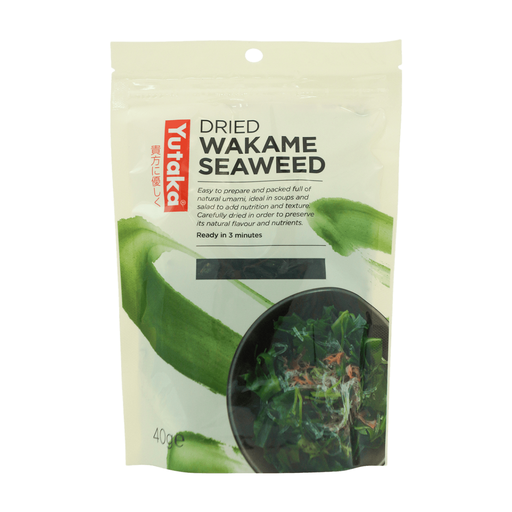
Why This Fits Their Persona: Regular cooks can rehydrate dried wakame for miso soup, ramen, salads, noodles and rice bowls. It is a cupboard ingredient rather than a single-use snack.
The product is identified as dried wakame, making its preparation requirement clear and avoiding the disappointment of expecting ready-to-eat crisps.
Single-ingredient wakame and a 40g pouch. Rehydrate for a few minutes and consider its listed salt content when seasoning meals.
We have compiled a complete, real-time list of products that fully satisfy these strict selection criteria and UK safety regulations.
Seaweed absorbs moisture quickly, which can turn delicate sheets soft. Store unopened packs in a cool, dry place away from direct sunlight. After opening, reseal the inner pouch or transfer unused sheets to an airtight container. Individual packs should generally be eaten immediately after opening.
Avoid storing seaweed beside kettles, cookers or other humid areas. For preserved or moist seaweed products, follow the pack’s refrigeration and use-within instructions rather than applying dry-snack storage advice.
Individually portioned roasted seaweed is convenient for lunchboxes because it needs no preparation and creates little packaging waste inside the lunch bag. Check the allergen label, salt content and choking guidance, particularly when buying for children.
Nori is the thin seaweed commonly pressed into sheets for sushi, onigiri and crispy snacks. Wakame is usually sold dried in pieces or flakes and rehydrated for soups, salads and side dishes. They are not direct substitutes in every recipe.