
24/7 Customer Support

Free returns

Same-day & Next-day Delivery

Quality Guaranteed

Unlock Your Welcome Offers: FREE Delivery | Up to 80% OFF | Free 30-day JoyPlus trial
Download the APP
Seaweed snacks can be a convenient addition to a packed lunch, office drawer or quick Asian-inspired meal. However, the difference between a crisp, flavourful pack and a disappointing purchase often comes down to details that front-of-pack marketing does not highlight.
A small packet may contain mostly oil and seasoning rather than seaweed. A product described as “laver” may be a cooking ingredient rather than a ready-to-eat snack. Even a large seaweed multipack can lose its texture quickly if the individual portions are not sealed properly.
This guide explains what to check before buying, from ingredients and allergens to pack format and intended use.
Not all dried seaweed is ready to eat. Seaweed sheets, roasted laver and seasoned gim are generally designed for direct snacking or wrapping around rice. By contrast, kelp strips may require soaking and cooking before use.
Always look for clear wording such as “ready to eat” or check the usage instructions. For example, dried nori for rice balls can be wrapped around onigiri or sushi without additional preparation, while cooking kelp is better suited to soups, stews and stir-fries.
Seaweed is naturally light, so a larger gram weight does not always mean more snack portions. A 15g multipack may contain three individually wrapped servings, while a 40g bag could be one larger packet that needs to be resealed after opening.
Compare serving format, number of sheets and portion size, not just the total weight. Individual packs are particularly practical for UK lunchboxes, commuting and desk snacks because they reduce exposure to air and moisture.
Roasted seaweed can be light in volume but relatively concentrated in salt or oil. Seasoned varieties may include sesame oil, soy sauce, sugar, chilli or flavour enhancers. Nutrition panels should therefore be checked per 100g and, where available, per serving.
Seaweed is also naturally rich in iodine. This does not make it unsuitable for everyone, but people with iodine sensitivity or thyroid-related concerns should follow relevant medical advice and avoid excessive consumption. Treat seaweed crisps as part of a varied diet rather than a substitute for balanced meals.
For a simple snack, look for a short ingredient list such as seaweed, vegetable oil and salt. EDO Pack Sea Stone Seaweed, for instance, lists seaweed, corn oil, sesame oil, perilla oil and salt, and clearly identifies sesame as an allergen.
Flavoured products can contain more ingredients. Korean seaweed snack varieties may include soy sauce, wheat, sesame, garlic, onion, sugar or chilli. Check the allergen declaration carefully, especially when buying snacks for children, shared offices or school lunchboxes.
Crispy seaweed snacks depend on low moisture. Once opened, thin sheets can soften quickly, particularly in humid kitchens or packed lunches. Look for individual sachets, resealable packaging or instructions to consume promptly after opening.
Roasted seaweed and nori snacks are usually thinner and more delicate than seaweed crisps made with rice flour, tapioca starch or other ingredients. If you prefer a more substantial crunch, a chip-style product may be more suitable than traditional laver sheets.
Choose according to how you plan to eat the product:
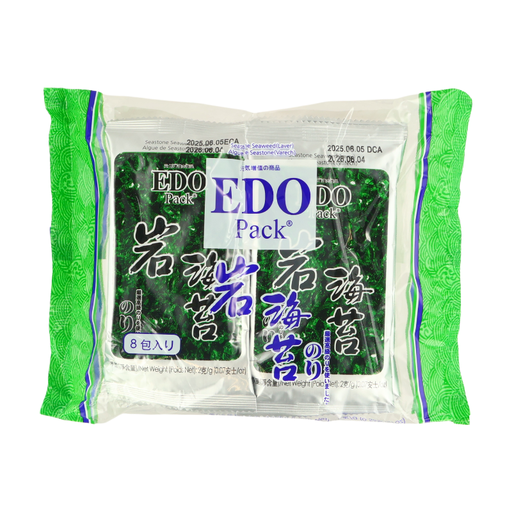
Why This Fits Their Persona: A straightforward entry point for shoppers who want a ready-to-eat roasted seaweed snack with a short listed ingredient panel.
The product is labelled ready to eat and individually wrapped, helping avoid confusion over preparation and moisture-related texture loss.
Contains seaweed, three oils and salt; suitable as a snack or topping for rice balls, salads and soups.

Why This Fits Their Persona: A portioned option for shoppers who prefer a minimalist sea salt flavour and a UK-origin product listing.
The 4 x 5g format makes the serving size clear, while the ingredient list identifies nori, olive oil and sea salt.
Individual 5g servings; suitable for direct snacking or crumbling over rice bowls and salads.
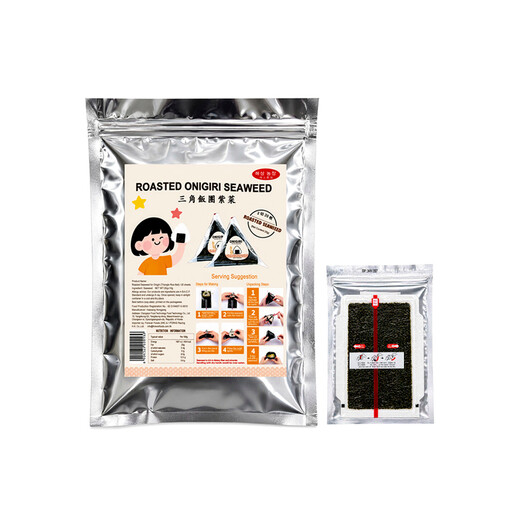
Why This Fits Their Persona: Designed for home cooks, sushi makers and families preparing rice balls or packed lunches.
The pack specifies 20 sheets and identifies dried nori as the sole ingredient, so it is not mistaken for a seasoned snack.
20 sheets for rice balls, sushi and rolls; no listed allergens and no cooking required for its stated uses.
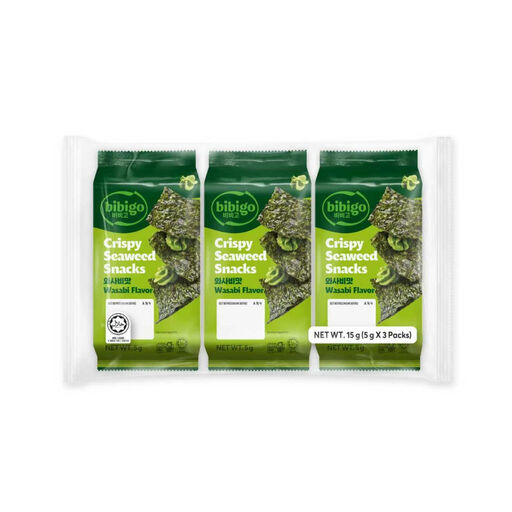
Why This Fits Their Persona: Suitable for shoppers seeking a spicy seaweed snack with portable individual portions.
The flavour and serving format are stated clearly, while the ingredients identify soy and possible traces of milk and sesame.
Three 5g packs; ready to eat and suitable as a snack or topping for rice, noodles and salads.
We have compiled a complete, real-time list of products that fully satisfy these strict selection criteria and UK safety regulations.
Keep unopened seaweed snacks in a cool, dry place away from direct sunlight and moisture. Once opened, consume promptly or reseal the inner packet firmly. Avoid leaving sheets exposed beside a steaming hob or kettle, as absorbed moisture can make them soft.
For rice balls and sushi, keep nori sealed until the rice has cooled slightly and you are ready to assemble. For toppings, crumble roasted seaweed over rice, noodles, soup or salad just before serving to retain its texture.
Many roasted seaweed, seasoned laver and nori snack products are ready to eat, but not every dried seaweed product is. Check the usage instructions. Kelp strips may require soaking and cooking, whereas roasted sheets for rice balls can generally be used straight from the packet.
Reseal the packet and store it in a cool, dry cupboard. Individual sachets should be opened only when needed. Consume opened portions promptly because humidity can reduce crispness.
Portioned seaweed multipacks can be convenient for lunchboxes, but check the allergen information, salt content and flavour strength first. Thin, brittle pieces may also present a choking risk for young children, so supervise them while eating and follow the product packaging guidance.