
24/7 Customer Support

Free returns

Same-day & Next-day Delivery

Quality Guaranteed

Unlock Your Welcome Offers: FREE Delivery | Up to 80% OFF | Free 30-day JoyPlus trial
Download the APP
Seaweed snacks have moved from specialist Asian supermarkets into the mainstream, appearing as a popular choice for those seeking flavourful, convenient and often lower-calorie alternatives to traditional crisps. However, the sheer variety can be confusing. What starts as a search for a simple, savoury bite can end in disappointment if you pick the wrong type. As a Joybuy Product Recommendation Officer, my role is to help you navigate the options and find the right product for your taste and needs.
Before you buy, let's look at a few common pitfalls that can lead to a less-than-satisfying purchase.
To avoid these issues, it helps to understand a few key parameters. Paying attention to these details will ensure you get exactly what you're looking for.
The type of seaweed used determines the snack's fundamental texture and flavour.
Always check the product description for its intended use.
From simple salt to complex marinades, the seasoning defines the final taste. Classic roasted seaweed is often seasoned with just salt and sesame oil. However, you can find a huge range of flavours, from Korean BBQ and wasabi to intricate Sichuan-style spicy marinades. If you are watching your salt intake, it is always a good idea to check the nutritional information on the packet.
To help you choose, we have matched a few standout products to different preferences and lifestyles.

Why This Fits Their Persona: This is the quintessential crispy seaweed snack. It's perfect for anyone in the UK looking for a light, savoury and satisfying crunch to replace crisps in their lunchbox or as an afternoon pick-me-up. The individual packs ensure freshness and help with portion control.
This product delivers exactly on the expectation of a light, crispy nori sheet. It avoids the texture mismatch pitfall by being a classic roasted seaweed, not a chewy kelp snack.
Lightly seasoned with a balanced savoury taste. The 3-pack format is convenient for on-the-go snacking and maintaining crispness.
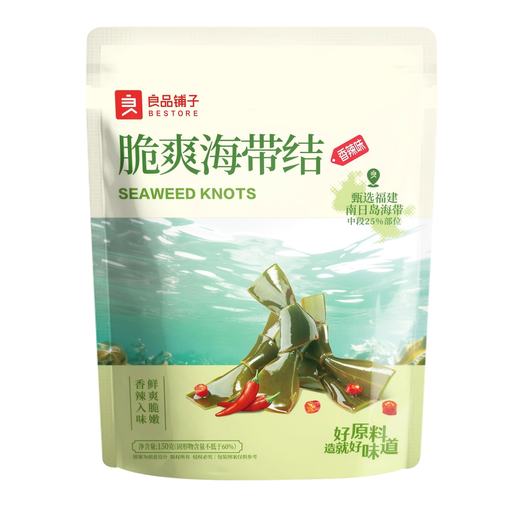
Why This Fits Their Persona: For the foodie who wants to move beyond crispy sheets, these spicy kelp knots offer a completely different experience. The tender yet chewy texture and fragrant chilli kick make for a more substantial and complex snack, perfect for pairing with a cold drink.
The name "Kelp Knots" and "Spicy" flavour clearly sets the expectation for a chewy, marinated product. This prevents anyone from mistakenly buying it when they want a dry, crispy snack.
Ready-to-eat convenience with a bold, savoury and spicy flavour profile. The tender-chewy texture is satisfying and distinct from other snacks.
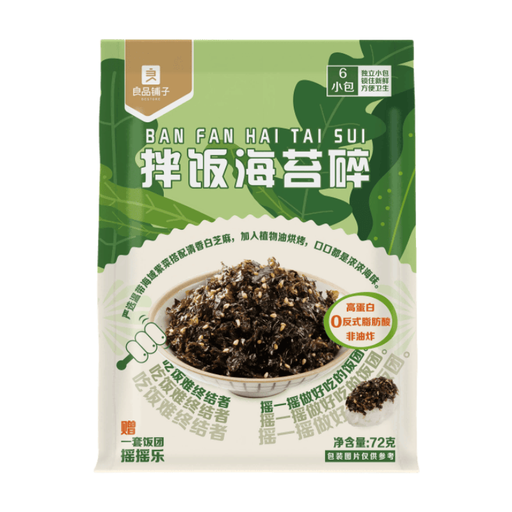
Why This Fits Their Persona: This is for the person who loves adding a final flourish to their meals. These seaweed and sesame flakes are a versatile pantry staple, perfect for elevating a simple bowl of rice, noodles, congee or even avocado toast with an instant hit of umami and crunch.
This product is clearly positioned as "Mixed Rice Seaweed Flakes," avoiding the "ingredient vs. snack" confusion. It's understood to be a topping or mix-in, not a snack to be eaten on its own.
Extremely versatile and convenient. The combination of crispy seaweed and toasted sesame provides a rich, nutty and savoury flavour that enhances many dishes.
We have compiled a complete, real-time list of products that fully satisfy these strict selection criteria and UK safety regulations.
Not necessarily. While the base ingredient, seaweed, is a good source of minerals and fibre, the final product's healthiness depends on the added ingredients. Some healthy Asian snacks are simply roasted with a touch of oil, making them a low-calorie choice. Others, particularly marinated kelp snacks, can be higher in sodium and sugar. It is always wise to check the nutritional information on the label to ensure it aligns with your dietary goals.
The main difference is texture and preparation. Nori snacks are made from thin sheets of laver seaweed that are roasted until light and crispy. They are delicate and savoury. Kelp snacks are made from a thicker sea vegetable, resulting in a much chewier and more substantial bite. They are often sold marinated in a savoury or spicy sauce and are typically moist, not dry.
For crispy, roasted nori snacks, the key is to protect them from moisture, which makes them lose their crunch. After opening, store any remaining sheets in an airtight container in a cool, dry cupboard. For marinated, ready-to-eat kelp or wakame snacks, you should refrigerate them after opening and consume them within a few days, as indicated on the packaging.