
24/7 Customer Support

Free returns

Same-day & Next-day Delivery

Quality Guaranteed

Unlock Your Welcome Offers: FREE Delivery | Up to 80% OFF | Free 30-day JoyPlus trial
Download the APP
As a Joybuy Product Recommendation Officer, my role is to help you navigate the growing market of interesting foods. Seaweed snacks have become a popular choice for those seeking a savoury alternative to traditional crisps and nuts. However, the sheer variety available online can be confusing, and it's easy to make a purchase you might regret.
Before you add anything to your basket, let's look at a few common pitfalls. Many shoppers find themselves disappointed by:
To avoid these issues and find a product you'll genuinely enjoy, it helps to understand a few core characteristics.
The type of seaweed used is the single biggest factor determining the snack's texture and use.
Always check the product description for preparation instructions.
Seaweed has a natural, savoury umami flavour, but the final taste depends heavily on the seasoning. Options range from lightly salted to complex marinades. If you're looking for spicy seaweed, you'll find many varieties seasoned with chilli, Sichuan peppercorns and pickled ginger, which are staples in many Chinese snacks online. For those seeking healthy savoury snacks, it's wise to check the ingredients list for the position of sugar and the salt content per 100g.
To help you choose, here are a few options matched to different preferences, all of which are clearly described to avoid the common pitfalls.
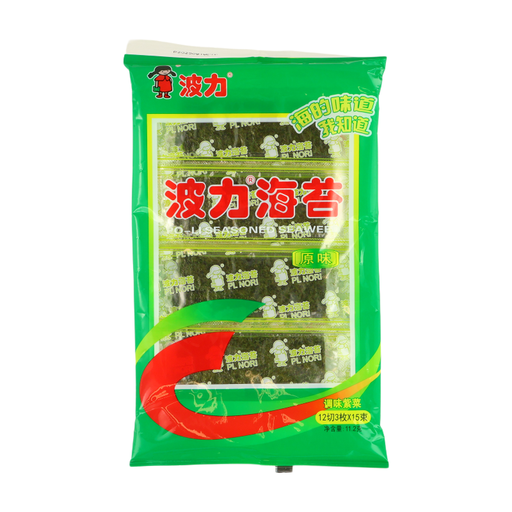
Why This Fits Their Persona: This is ideal for someone looking for a simple, savoury and portion-controlled snack to replace crisps. The high protein and zero sugar content align with a health-focused lifestyle, and the individual packs are perfect for lunchboxes or a quick bite.
It sidesteps the "healthy snack illusion" with a transparent nutritional profile showing 0g of sugar and a high protein content. It is clearly a ready-to-eat, crispy nori snack.
High protein content (35.3g per 100g) for a more satisfying snack. Comes in 15 convenient, individually wrapped packs.
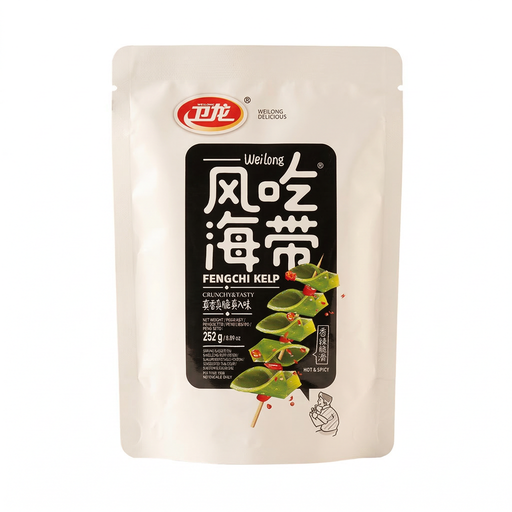
Why This Fits Their Persona: For those who actively seek out authentic and bold Chinese snacks, this is an excellent choice. The complex, spicy and tangy Sichuanese flavour profile offers a completely different experience from standard salted nori.
This product avoids the "texture mismatch" pitfall. It is clearly a marinated kelp snack, celebrated for its chewy texture, not crispiness. It is also ready-to-eat, requiring no preparation.
Features an authentic Sichuanese flavour with chilli and peppercorns. The satisfyingly chewy texture makes it a substantial and flavourful snack.
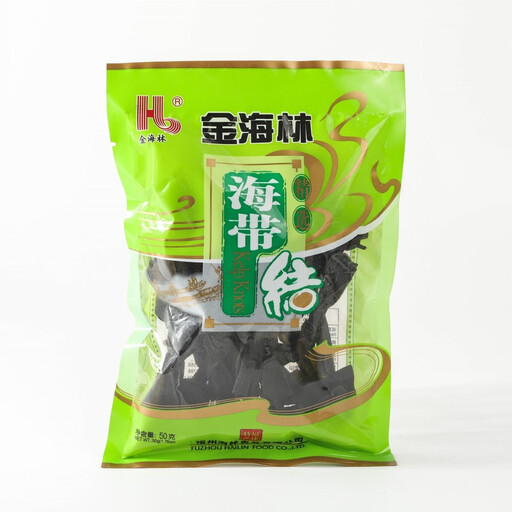
Why This Fits Their Persona: This is for the person who loves cooking East Asian cuisine at home. These dried kelp knots are a versatile pantry staple, perfect for adding texture and a deep, savoury flavour to hot pots, soups and side salads.
It directly prevents the "ready-to-eat" misunderstanding. The product description is clear: "Cooking required. Not ready to eat. Soak in water before use." This ensures the buyer knows it is a cooking ingredient.
A versatile and authentic ingredient for a wide range of dishes. Made from 100% natural kelp, providing a pure ocean flavour.
We have compiled a complete, real-time list of products that fully satisfy these strict selection criteria and UK safety regulations.
Seaweed itself is a source of various minerals, including iodine, and can be low in calories. However, whether a specific seaweed snack is "healthy" depends entirely on its preparation and seasoning. Some seaweed crisps are simply roasted with a little salt, while others can be high in oil, sugar or sodium. The most reliable approach is to always check the nutritional information and ingredients list before purchasing.
Nori refers to the thin, paper-like sheets of seaweed used for sushi and crispy snacks. It has a light, brittle texture when roasted. Kelp (also known as kombu or wakame) is a much thicker sea vegetable. In snacks, it is typically rehydrated and marinated, giving it a chewy, substantial texture and often a more intense, savoury flavour.
Most dried kelp products, like knots or strips, need to be rehydrated before use. The general method is to soak them in cold or warm water for 15-30 minutes, or until they become pliable and expand in size. After soaking, you can drain them and add them to soups, stews, stir-fries or dress them as a cold salad. Always check the specific package for any different instructions.