
24/7 Customer Support

Free returns

Same-day & Next-day Delivery

Quality Guaranteed

Unlock Your Welcome Offers: FREE Delivery | Up to 80% OFF | Free 30-day JoyPlus trial
Download the APP
Seaweed snacks have moved from specialist Asian grocers to mainstream UK cupboards, offering a unique savoury crunch. Yet, navigating the growing selection can be confusing. Many shoppers, drawn in by promises of a healthy, umami-rich treat, end up with a product that doesn't match their expectations. Whether it's a texture mismatch or unexpected ingredients, a little guidance can help you find the right pack for your palate.
As the Joybuy Product Recommendation Officer, my role is to help you understand the key differences in the market. This guide will clarify the common pitfalls and break down what to look for, ensuring your next purchase is a satisfying one.
Before adding to your basket, be aware of these frequent misunderstandings that can lead to disappointment:
To make a confident choice, focus on these three practical parameters. They will help you filter the options and find exactly what you're looking for.
Understanding the format is the single most important step. Look for these key terms on the packaging:
The world of seaweed snacks goes far beyond simple salt. From traditional East Asian flavours to modern fusions, you can find a wide spectrum of tastes:
Finally, consider how you plan to enjoy your seaweed.
Based on these practical factors, we've matched some popular options to different user needs.
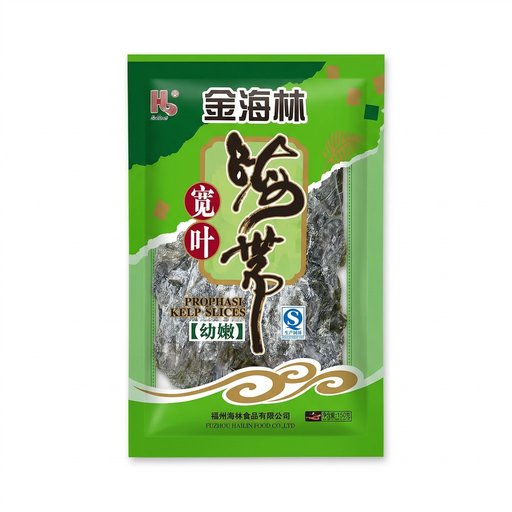
Why This Fits Their Persona: This is a foundational pantry ingredient for anyone wanting to make authentic soups, stews or side dishes. It provides the deep, natural umami flavour that is the base of many East Asian broths.
It directly solves the "snack vs. ingredient" pitfall. The product description clearly states it requires rehydration and is not ready to eat, setting the correct expectation for a cooking ingredient.
Made from broad, thick-leaf kelp with a high rehydration rate, making it versatile for various cooking methods from salads to stews.

Why This Fits Their Persona: Perfect for someone who loves classic crisps and savoury snacks but wants to try something different. The familiar, smoky-sweet Korean BBQ flavour is an accessible entry point into the world of seasoned seaweed.
This is a quintessential crispy sheet snack, avoiding any texture surprises. The clear "Bulgogi Flavour" labelling manages expectations, preventing the "healthy halo" pitfall by indicating a distinct, savoury seasoning.
Delivers an authentic, savoury Bulgogi taste on a light, crunchy base. The multi-pack format with individual 5g packets helps maintain freshness.
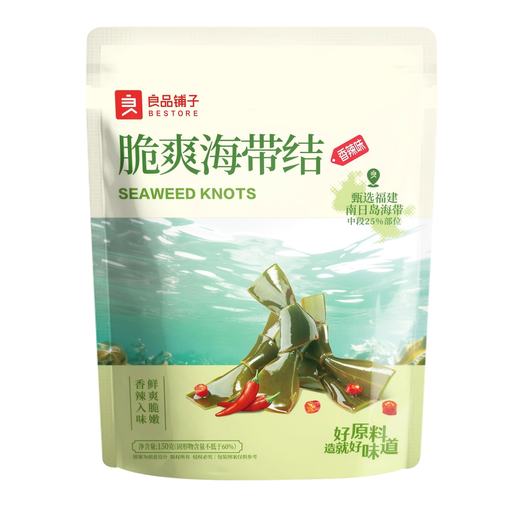
Why This Fits Their Persona: For those who actively seek out bold flavours and interesting textures, this is an ideal choice. It's a popular type of Chinese snack that offers a completely different experience from crispy seaweed sheets.
The name "Kelp Knots" and "Spicy" immediately clarifies that this is not a thin, crispy snack. It sidesteps the texture surprise pitfall by accurately describing its chewy, marinated format and bold flavour.
Offers a unique tender-chewy texture combined with a fragrant and savoury chili kick. It's a ready-to-eat, low-calorie savoury snack.
We have compiled a complete, real-time list of products that fully satisfy these strict selection criteria and UK safety regulations.
Seaweed itself is a source of vitamins and minerals, including iodine, and is naturally low in calories. However, the overall healthiness of a seaweed snack depends on its preparation and seasoning. Roasted, lightly salted seaweed sheets are generally a very light option. Marinated or flavoured varieties may have higher sodium or added sugar. For those with specific dietary goals, it is always recommended to check the nutritional information on the packet.
Moisture is the enemy of crispy seaweed. Once a packet is opened, the sheets will quickly absorb humidity from the air and lose their crunch. To preserve their texture, store them in a completely airtight container in a cool, dry place away from direct sunlight. For multi-packs, only open one individual sachet at a time and aim to consume it promptly.
Both are types of edible seaweed, but they are often processed differently. The crispy sheets sold as Korean seaweed snacks (gim) are typically pre-seasoned with oil and salt and roasted. The seaweed used for rolling sushi (nori in Japanese) is usually sold in larger, unseasoned sheets, as the seasoning comes from the sushi rice and fillings. While you can use snack seaweed to wrap small rice balls, traditional sushi nori is better suited for larger rolls.