
24/7 Customer Support

Free returns

Same-day & Next-day Delivery

Quality Guaranteed

Unlock Your Welcome Offers: FREE Delivery | Up to 80% OFF | Free 30-day JoyPlus trial
Download the APP
Once a niche item found only in speciality Asian food shops, seaweed snacks have now firmly entered the mainstream UK snack market. Praised for their savoury, umami flavour and often low-calorie count, they are a popular choice for anyone seeking an alternative to traditional crisps. However, with a surge in options comes a wave of confusion. Not all seaweed snacks are created equal, and marketing claims can sometimes obscure what you are actually buying.
As a Joybuy Product Recommendation Officer, my role is to help you navigate the choices. This guide will break down the common purchasing pitfalls and highlight the key factors to consider, ensuring you find the right crispy seaweed thins or seasoned laver for your snacking needs.
Many shoppers are drawn to seaweed for its perceived health benefits, but it is easy to make a purchase you might regret. Here are three common traps to be aware of:
To avoid these issues, focus on a few non-negotiable parameters. Analysing these details will help you select a product that meets your expectations for taste, texture and nutritional profile.
This is the most important part of the packet. Pay close attention to:
Seaweed snacks come in several forms, each suited to different purposes:
To help you choose, we have matched some popular options to different snacking preferences and lifestyles.

Why This Fits Their Persona: For those in the UK prioritising clean eating, this snack is ideal. It's perfect for a post-gym treat or a light office snack without the guilt, fitting easily into a calorie-controlled diet.
It directly counters the "Healthy Halo" trap. With just three ingredients (seaweed, olive oil and sea salt) and only 26 kcal per pack, its nutritional profile is as clean as its ingredient list.
Minimalist ingredients with no added sugar or flavour enhancers. The use of olive oil provides a light, clean taste.
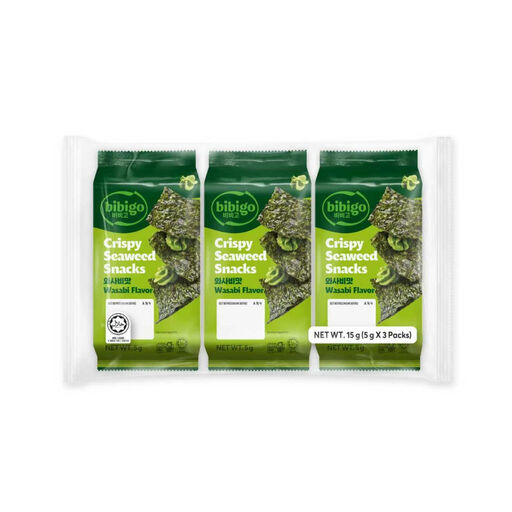
Why This Fits Their Persona: For the adventurous foodie who enjoys bold, authentic Asian flavours. This snack is perfect for someone who finds standard sea salt too plain and is seeking a spicy, pungent kick to accompany a drink or liven up their afternoon.
This avoids the "unbalanced flavour" pitfall by delivering exactly what it promises: a distinct and noticeable wasabi flavour that provides a sharp, spicy contrast to the savoury seaweed.
Authentic Korean brand known for quality. The individual 5g packs ensure freshness and a potent wasabi experience every time.

Why This Fits Their Persona: Busy parents or professionals in the UK need convenient, portable options. The name "Dosirak" (Korean for lunchbox) says it all. These individual packs are perfectly portioned for adding to a lunchbox or grabbing for an on-the-go snack.
It solves the "Texture Gamble." By packaging the seaweed in small, individually sealed portions, it ensures that each serving is opened fresh, preserving that all-important crispness until the moment of consumption.
Maximum convenience and guaranteed freshness due to the multi-pack format. The classic, balanced seasoning has wide appeal.
We have compiled a complete, real-time list of products that fully satisfy these strict selection criteria and UK safety regulations.
Are seaweed snacks a healthy alternative to potato crisps? It depends on the product. Generally, thin, roasted seaweed snacks are significantly lower in calories and fat than deep-fried potato crisps. A typical 5g pack of seaweed thins can contain around 25 calories, whereas a similar weight of crisps would be much higher. However, it is crucial to check the sodium and sugar content on the nutrition label, as some seasoned or tempura-style seaweed crisps can have levels comparable to traditional snacks.
How can I keep my seaweed snacks from going soggy? Moisture is the enemy of crispness. For multi-serving bags, the best practice is to transfer the contents to a completely airtight container immediately after opening. Store it in a cool, dry place like a pantry, away from any sources of steam or humidity. For single-serving packs, they are designed to be eaten in one go to ensure the best texture.
What is the difference between nori, laver and gim? These terms largely refer to the same product but originate from different languages. Nori is the Japanese name and is widely recognised in the UK, especially in the context of sushi. Laver is an English term, historically associated with Welsh laverbread but now also used for the dried sheets. Gim is the Korean name for this type of edible seaweed, and you will often see it on packets of Korean seaweed snacks.