
24/7 Customer Support

Free returns

Same-day & Next-day Delivery

Quality Guaranteed

Unlock Your Welcome Offers: FREE Delivery | Up to 80% OFF | Free 30-day JoyPlus trial
Download the APP
As a Joybuy Product Recommendation Officer, my role is to help you navigate the crowded snack aisle. Seaweed snacks have moved from a niche item to a mainstream favourite in the UK, but with this popularity comes a wave of new products, making it harder to choose. Many shoppers are drawn in by promises of a healthy, savoury crunch, only to be let down by the reality. Let's look at the common pitfalls to avoid.
First, the "health halo" can be misleading. While seaweed itself is nutrient-dense, many snacks are heavily processed with high levels of oil, salt and sugar, which can rival traditional crisps in everything but name.
Second is the issue of format versus function. A common mistake is buying paper-thin nori snacks intended for delicate snacking and expecting them to provide a robust crunch as a topping for a hot noodle soup. The result is often a soggy disappointment.
Finally, value can be deceptive. Multipacks of tiny, individually wrapped portions might seem convenient, but the cost per gram can be surprisingly high, especially if you find yourself eating several packs in one sitting. Understanding what you're buying and for what purpose is key to a satisfying purchase.
To ensure you get the flavour and texture you're looking for, it pays to analyse a few core parameters before you buy. These details will tell you everything you need to know about the experience in the packet.
The physical form of the snack is the most important factor in determining its texture and ideal use.
Beyond a simple sprinkle of sea salt, the world of seasoned seaweed is vast. The type of oil used (sesame, rapeseed, olive) and the seasoning blend define the snack's character.
Based on these practical considerations, here are a few recommendations matched to different needs and preferences.

Why This Fits Their Persona: This is for the person who wants a straightforward, low-calorie savoury snack for their desk drawer. The simple ingredient list and clear nutritional information make it an easy choice for mindful snacking without hidden surprises.
It directly counters the "health halo" pitfall. With just 26 calories per pack and minimal ingredients (seaweed, olive oil, sea salt), what you see is what you get—a genuinely light snack.
The use of olive oil gives it a slightly different flavour profile from traditional sesame oil snacks. The multipack format is convenient for portion control.
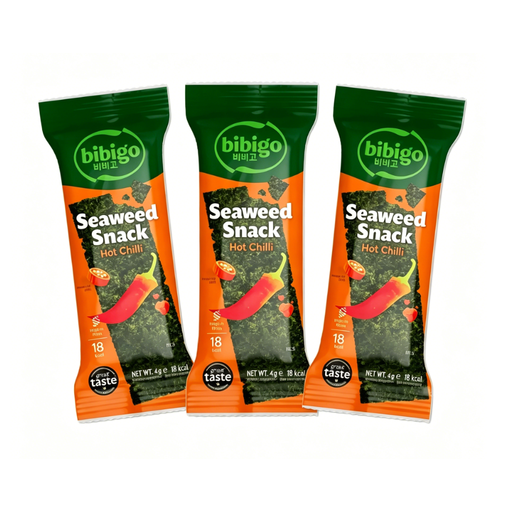
Why This Fits Their Persona: For those bored of plain salt, this snack delivers a bold, authentic Korean chilli flavour. It's perfect for someone who actively seeks out spicy foods and wants their snack to have a genuine kick, not just a hint of spice.
This avoids flavour disappointment. The seasoning is distinct and well-balanced, delivering the promised heat and savoury notes without being overwhelmingly salty, a common issue with other flavoured snacks.
From a leading Korean food brand, it offers an authentic taste profile. The seasoning includes soy sauce, garlic and onion powder for a more complex, savoury heat.
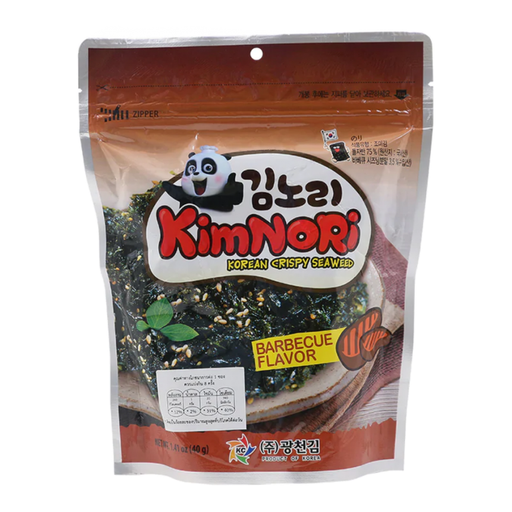
Why This Fits Their Persona: This is for the home cook who wants to easily add flavour and texture to everyday meals. A sprinkle of these seaweed flakes can elevate a simple bowl of rice, a salad or a noodle dish with minimal effort.
It avoids the "wrong format" pitfall. Unlike thin sheets that wilt instantly, these flakes are designed to be a topping, retaining their crispy texture and distributing flavour evenly throughout a dish.
Extremely versatile pantry item. The sweet and smoky Korean BBQ flavour is a crowd-pleaser and works well with a wide variety of dishes.

Why This Fits Their Persona: This product is specifically for culinary use. The large, un-portioned sheets of yaki nori for sushi are exactly what's needed for rolling maki or cutting into strips for onigiri (rice balls). It's a foundational ingredient, not a snack.
This avoids the frustration of trying to use small, brittle and heavily seasoned snack packs for cooking. These sheets are the correct size, texture and flavour profile for authentic Japanese dishes.
These are full-sized roasted sheets, providing the flexibility to cut them to any size needed for various recipes. The light seasoning complements, rather than overpowers, the fillings of sushi or onigiri.
We have compiled a complete, real-time list of products that fully satisfy these strict selection criteria and UK safety regulations.
Moisture is the enemy of crispy seaweed. Once a pack is opened, the best way to maintain crispness is to transfer the contents to a completely dry, airtight container. Store it in a cool, dark cupboard away from any sources of steam or humidity, like the kettle or cooker. Some people add a food-safe desiccant packet (like the one that often comes in the original packaging) to the container.
They can be, but it depends entirely on the specific product. Seaweed itself is a source of iodine, fibre and various minerals. A simply roasted seaweed snack with minimal oil and salt is typically much lower in calories, fat and carbohydrates than a standard packet of potato crisps. However, some 'seaweed crisps' that are fried or heavily seasoned can have a nutritional profile much closer to traditional snacks. Always check the nutritional information and ingredients list.