
24/7 Customer Support

Free returns

Same-day & Next-day Delivery

Quality Guaranteed

Unlock Your Welcome Offers: FREE Delivery | Up to 80% OFF | Free 30-day JoyPlus trial
Download the APP
Seaweed snacks have firmly established themselves as a go-to choice for UK shoppers seeking a flavourful, convenient and often low-calorie alternative to traditional crisps. From paper-thin roasted sheets to thicker, crunchy seaweed crisps, the variety is vast. However, navigating the options can be tricky. Many products hide behind a "healthy" image while being loaded with salt or undesirable oils.
As the Joybuy Product Recommendation Officer, my role is to help you see past the marketing and make informed choices. Before you add that next pack of crispy seaweed to your basket, let's look at the common pitfalls that can lead to a disappointing purchase.
To ensure you get a product you'll genuinely enjoy, focus on these three core parameters.
The format dictates both the texture and the ideal use-case. Understanding the difference is key.
The ingredients list reveals the true nature of the snack. Pay close attention to:
The country of origin often hints at the flavour profile. Korean snacks (gim) are famous for their savoury-sweet balance, typically using sesame oil, salt and sometimes a touch of sugar. Japanese nori sheets can be more subtly seasoned, focusing on the pure umami of the seaweed itself.
Based on these practical criteria, here are a few recommendations matched to different needs and preferences.
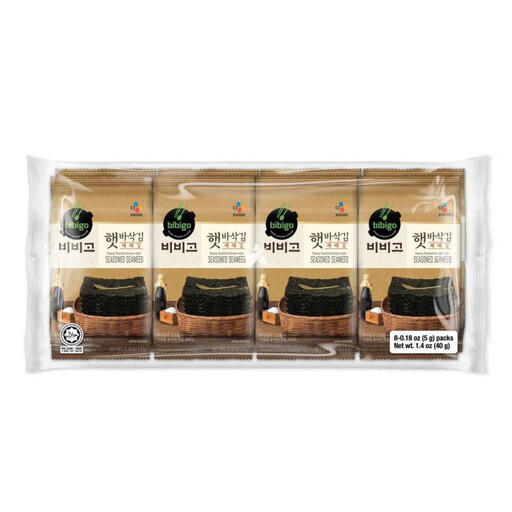
Why This Fits Their Persona: This is ideal for busy professionals or for packing in lunchboxes. The eight individual 5g packs ensure the seaweed stays fresh and crispy until you're ready to eat it, preventing the rest of the pack from going soft. It's a classic, convenient format.
The individual packaging directly solves the texture trap of larger packs going stale. The flavour is a traditional Korean seasoning that complements, rather than overpowers, the seaweed.
Portion Control: Individual packs make it easy to manage snacking.
Authentic Flavour: Classic Korean-style roasted seaweed with sesame oil.
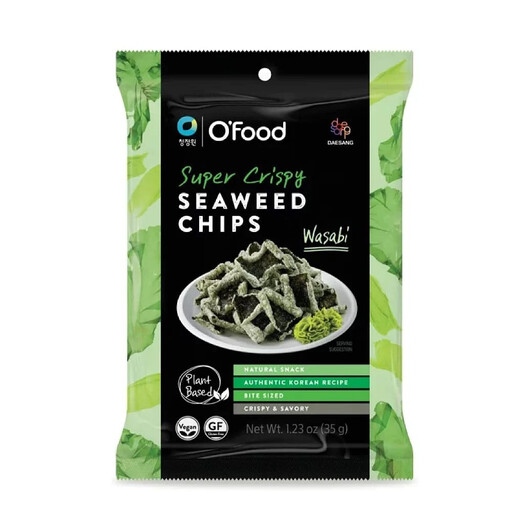
Why This Fits Their Persona: For those bored of simple sea salt, this snack offers a bold, pungent wasabi kick. It uses the thicker seaweed crisp format, providing a substantial crunch that holds up well to the strong flavouring, making for a more intense snacking experience.
This product clearly delivers on its flavour promise without being just a "flavour fa?ade." The use of a rice flour and tapioca starch base creates a genuine crisp texture, avoiding the texture mismatch trap for those seeking a crunchy snack.
Bold Flavour: Delivers a genuine wasabi and horseradish kick.
Crunchy Texture: A proper crisp format, not a thin sheet.

Why This Fits Their Persona: This flaked format is incredibly versatile for cooking. It's the perfect seaweed topping for rice, bibimbap, noodles or even sprinkled over a simple avocado toast. The chilli flavour adds a gentle warmth that enhances dishes without being overpowering.
By being in a flaked format, it clearly signals its primary use as a topping, avoiding the texture mismatch for someone wanting a large sheet. The ingredient list is straightforward, with seaweed as the main component (75%).
Culinary Versatility: Ideal as a topping for a wide range of dishes.
Balanced Flavour: Savoury, sweet and spicy notes with a nutty finish from roasted sesame.
We have compiled a complete, real-time list of products that fully satisfy these strict selection criteria and UK safety regulations.
Moisture is the enemy of crispy seaweed. Once a pack is opened, the best way to maintain crispness is to transfer the contents to a truly airtight container. Store it in a cool, dry cupboard away from sunlight and any sources of steam, like a kettle or hob. For multi-packs with individual inner packets, only open one at a time.
They can be, but it depends entirely on the specific product. Seaweed itself is a source of minerals like iodine. However, to make an informed choice, you must read the nutritional label. Look for options with lower sodium content and simple ingredient lists. A snack with less than 1.5g of salt per 100g is a good starting point, and those with lower figures are even better for regular consumption.
These terms are often used interchangeably and can cause confusion.