
24/7 Customer Support

Free returns

Same-day & Next-day Delivery

Quality Guaranteed

Unlock Your Welcome Offers: FREE Delivery | Up to 80% OFF | Free 30-day JoyPlus trial
Download the APP
Seaweed snacks can be a convenient addition to a packed lunch, desk drawer or quick Asian-style meal. However, the category includes everything from thin seasoned nori sheets to dried wakame and rice toppings, so choosing by attractive packaging alone can lead to disappointment.
The most common pitfalls are:
For direct snacking, look for crispy seaweed, roasted seaweed, nori snacks or seasoned sheets that are labelled ready to eat. Individual portions are useful for lunchboxes, office snacks and controlling how much is opened at once.
For cooking, select dried wakame seaweed, seaweed flakes or larger packs intended for soups and salads. Wakame expands after soaking, so a small dry quantity can produce considerably more prepared seaweed. It is commonly used in miso soup, ramen, noodles, salads and rice bowls.
Flaked products sit between the two categories. Korean-style jaban flakes can be eaten directly, but they are particularly practical as toppings for rice, bibimbap, noodles and soups.
Plain dried wakame may contain only wakame, while seasoned seaweed can include oil, salt, sugar, sesame, soya sauce, chilli or flavour enhancers. For example, products containing sesame oil or roasted sesame are not suitable for people avoiding sesame.
Under UK food labelling rules, allergens should be clearly emphasised in the ingredients list. Still, shoppers should check the actual packaging before eating, especially if buying Asian seaweed snacks for children or anyone with a food allergy.
Also distinguish between seaweed content and total product weight. A seasoned snack with oil and flavouring may weigh more than the seaweed itself.
A 5g serving can appear modest in calories, but per-100g figures may look high because seaweed snacks are lightweight and often contain oil. Salt also deserves attention: dried seaweed products can naturally have a concentrated mineral and sodium content, while seasoned options may contain added salt or soya sauce.
Use the serving size to plan portions, but use the per-100g information to compare products fairly. Treat claims such as “high protein”, “low calorie” or “healthy” as prompts to inspect the full label rather than as a substitute for it.
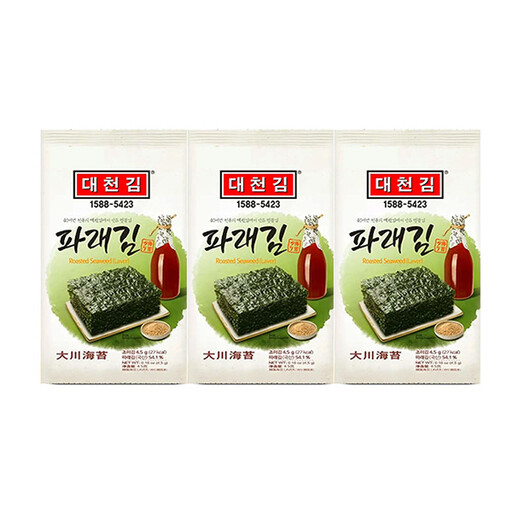
Why This Fits Their Persona: Three individual packs provide a straightforward way to try Korean seaweed snacks without committing to a larger pouch. They suit packed lunches, short journeys and single-serve snacking.
The stated net quantity is 3 x 4.5g, making the portion count clear. The ingredients list identifies green seaweed, rapeseed oil, sesame oil and salt.
Three ready-to-eat portions; simple seasoning profile; suitable for rice, noodles or direct snacking.
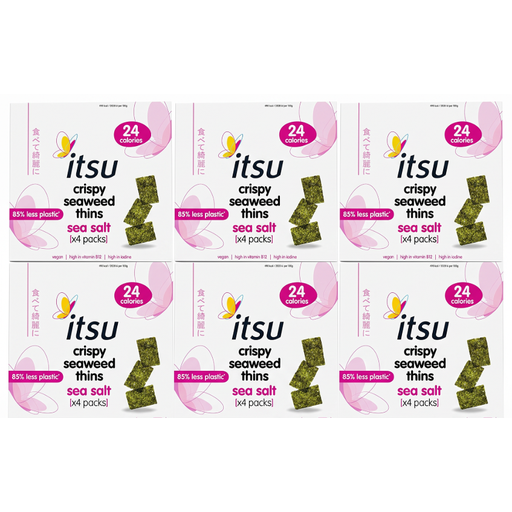
Why This Fits Their Persona: The multi-pack format is suitable for shoppers who want clearly portioned sea salt seaweed thins for work, entertaining or regular lunchbox use.
The product specifies a 5g serving and lists sesame and soya cross-contact information, helping shoppers assess portion size and allergens before purchase.
Nori, olive oil and sea salt ingredients; individual 5g portions; ready to eat and suitable as a rice topping.
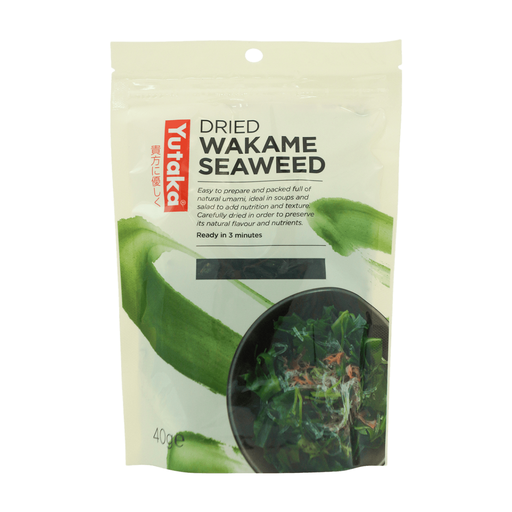
Why This Fits Their Persona: Choose this cooking-focused format if you regularly prepare miso soup, ramen, salads, noodles or rice bowls rather than wanting a crisp snack straight from the packet.
The preparation instruction states that the wakame should be rehydrated in water for a few minutes, so it is not mistaken for ready-to-eat crispy seaweed.
Single-ingredient wakame; 40g pouch; works across soups, salads, ramen and stir-fries.
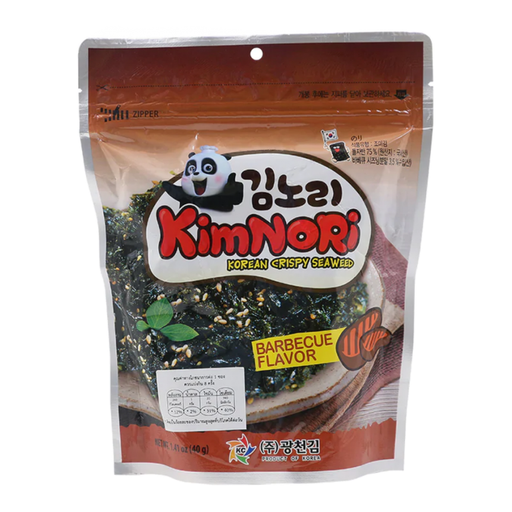
Why This Fits Their Persona: The flaked texture makes it convenient for adding Korean BBQ flavour to steamed rice, noodles, salads and soups, while it can also be eaten directly.
The ingredients clearly identify sesame, soya and wheat allergens, while the 40g net quantity gives more scope for repeated meal use than a small single snack pack.
Ready-to-eat flakes; BBQ seasoning; designed for rice, noodles, salads and soups; resealable storage recommended.
We have compiled a complete, real-time list of products that fully satisfy these strict selection criteria and UK safety regulations.
Open roasted seaweed only when you are ready to eat it, particularly in humid kitchens or lunch bags. Reseal larger pouches tightly and store them in a cool, dry place away from direct sunlight and moisture. Do not refrigerate products unless the packaging specifically instructs you to do so.
Dried wakame and seaweed flakes should also be protected from humidity. Transfer opened cooking seaweed to an airtight container if the pouch does not reseal securely. Always follow the printed best-before date and discard food with an unusual smell, visible moisture or damaged packaging.
Crispy roasted seaweed sheets, seasoned nori snacks and most jaban flakes are ready to eat. Dried wakame is different: soak it in water until tender, drain it and then add it to soups, salads, noodles or rice dishes. Check the usage instructions on the specific pack.
Crispness depends on humidity, packaging and handling. Individual packs are usually easier to keep fresh because less product is exposed to air. For larger bags, reseal immediately after serving and keep them dry. If the texture becomes soft, the product may no longer provide the intended crunch.
Many plain seaweed products contain seaweed, oil and seasoning only, but recipes vary. Check the full ingredients and packaging for each product. Seasoned varieties may include soya sauce, wheat, sesame or other flavourings, so dietary suitability should not be assumed from the word “seaweed” alone.