
24/7 Customer Support

Free returns

Same-day & Next-day Delivery

Quality Guaranteed

Unlock Your Welcome Offers: FREE Delivery | Up to 80% OFF | Free 30-day JoyPlus trial
Download the APP
As a Joybuy Product Recommendation Officer, I see how the UK's appetite for interesting and diverse savoury snacks has grown. Seaweed snacks, in particular, have moved from niche Asian supermarkets to mainstream online baskets. However, this popularity comes with confusion. The term "seaweed snack" covers a vast range of products, and it is easy to end up with something that does not match your expectations.
Before you add that intriguing packet to your cart, let's look at a few common pitfalls that can lead to a disappointing snacking experience.
Navigating the world of Asian snacks in the UK does not have to be a gamble. By understanding a few key factors, you can choose the right product with confidence.
The first step is to identify the snack's core structure. This will tell you everything about its texture.
kelp snacks are usually marinated in a sauce (often spicy, sour or savoury) and come as ready-to-eat strips, shreds or knots. They are more of a moist side dish or a substantial snack than a dry crisp.Once you know the format, look closely at the flavour description and ingredients.
Korean snacks and other Asian snacks UK shoppers love are based on familiar formats like potato chips or dough twists, but with a seaweed-flavoured seasoning. These offer a fusion of textures and tastes.To help you find a starting point, we have matched a few ready-to-eat snacks to different preferences.
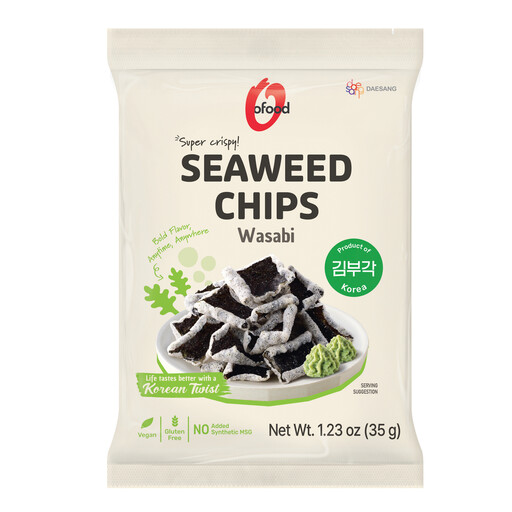
Why This Fits Their Persona: This is an excellent choice for anyone who enjoys the familiar crunch of a crisp but is curious about Korean flavours. It provides a familiar snacking experience with a savoury, umami-rich twist, making it a perfect gateway to the world of seaweed snacks.
The name "Seaweed Chip" clearly communicates a crunchy, crisp-like texture, avoiding any surprises. The "Original" flavour profile is savoury and balanced, not unexpectedly spicy or bland.
Features a light, airy texture from its rice and tapioca starch base. Delivers an authentic, savoury Korean snack flavour profile.
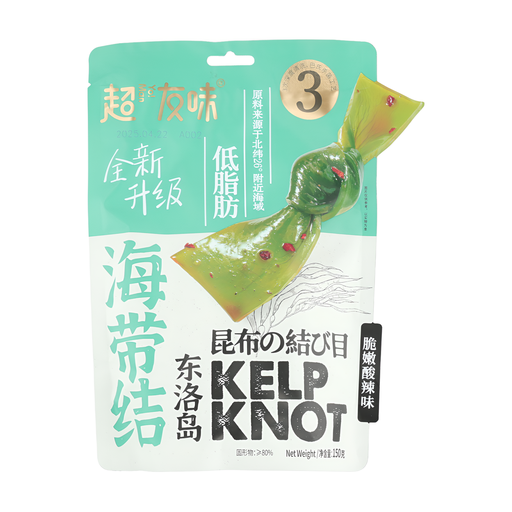
Why This Fits Their Persona: This is for the snacker who is actively looking for something different. The chewy texture of the kelp knots combined with a bold, tangy and spicy marinade offers a complex and satisfying experience that stands apart from typical ready-to-eat snacks.
The name "Kelp Knot" immediately signals a chewy, non-crisp texture. The "Sour and Spicy" description is direct, setting a clear expectation for a bold and tangy flavour profile, avoiding the flavour lottery.
Offers a unique, tender-crunchy texture that is very satisfying. The bold flavour is refreshing and makes for a memorable snack or side dish.
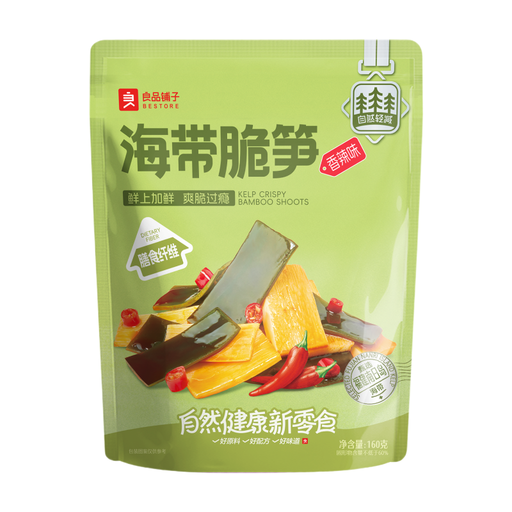
Why This Fits Their Persona: This snack is designed for those who enjoy both heat and texture. The combination of crispy kelp and bamboo shoots provides a unique dual crunch, while the spicy seasoning delivers a savoury kick that spicy food fans in the UK will appreciate.
The "Spicy Flavour" is clearly stated, and the ingredients confirm the presence of chilli. The name "Crispy Seaweed with Bamboo Shoots" accurately describes the unique, crunchy texture, preventing any unwelcome surprises.
Delivers a "double crispiness" from the combination of kelp and bamboo shoots. The spicy seasoning provides a savoury taste with a noticeable kick.
We have compiled a complete, real-time list of products that fully satisfy these strict selection criteria and UK safety regulations.
The healthiness of a seaweed snack depends entirely on its preparation. While seaweed itself is a source of minerals like iodine, you should always check the nutritional information on the packet. Pay attention to the sodium, fat (especially saturated fat) and sugar content. Some marinated or fried varieties can be high in these, while simple roasted sheets are often much lighter. Seaweed is naturally rich in iodine, so it is advisable to enjoy these snacks in moderation as part of a balanced diet.
The main difference is texture and preparation. Seaweed crisps are light, dry and crunchy, often made by coating a rice or potato base with seaweed. Think of them as a savoury alternative to potato crisps. Kelp snacks are made from a thicker type of seaweed, resulting in a chewy, firm and often moist texture. They are typically marinated in a flavourful sauce and are eaten as a standalone snack or a side dish.
For dry snacks like seaweed crisps and roasted sheets, the key is to protect them from moisture, which makes them lose their crunch. Store them in a cool, dry place away from direct sunlight. Once opened, seal the packet tightly. For marinated, ready-to-eat snacks like kelp knots, you should check the packaging for specific instructions, but they generally require refrigeration after opening and should be consumed promptly.