
24/7 Customer Support

Free returns

Same-day & Next-day Delivery

Quality Guaranteed

Unlock Your Welcome Offers: FREE Delivery | Up to 80% OFF | Free 30-day JoyPlus trial
Download the APP
As a Joybuy Product Recommendation Officer, my role is to help you navigate the crowded market of Asian snacks and find products that genuinely suit your taste and needs. Seaweed snacks have surged in popularity across the UK, moving from speciality shops to mainstream aisles. They promise a savoury, umami-rich experience, but not all packets deliver on that promise. Many shoppers find themselves with a product that's unexpectedly sweet, overly salty or has a texture they weren't prepared for.
Before you add another packet to your basket, let's look at the common pitfalls. Understanding these will help you spend your money more wisely and find the seaweed snacks you'll truly enjoy.
nori crisps but end up with thick, chewy strips of spicy kelp. Or you might purchase dried kelp for soup, thinking it's a ready-to-eat snack, only to find it requires rehydration and cooking.Sichuan snacks. Without a clear understanding of the flavour profile, it's easy to be disappointed.To avoid these issues, focus on a few core parameters. A quick check of the packaging can tell you everything you need to know.
The type of seaweed used is the single most important factor determining the final texture and taste.
nori crisps or as a wrap for sushi.kelp knots. It has a firm, satisfying bite and a deeper, more oceanic flavour. It's the base for many popular Chinese seaweed snacks.wakame salad.This is a simple but crucial check. The product description should clearly state whether it is "ready to eat" or "requires cooking".
dried kelp for soup or plain kelp knots must be soaked in water before they can be used in hot pots, stir-fries or soups. They are ingredients, not snacks.Look at the ingredients list to understand the flavour. A simple snack might just contain seaweed, oil and salt. More complex Asian snacks will feature a longer list.
sesame seaweed for a classic, umami-rich taste.Sichuan snacks. Checking the ingredients helps you gauge whether you're getting a mild kick or an intense, fiery experience.Based on these criteria, here are a few recommendations tailored to different tastes and uses.
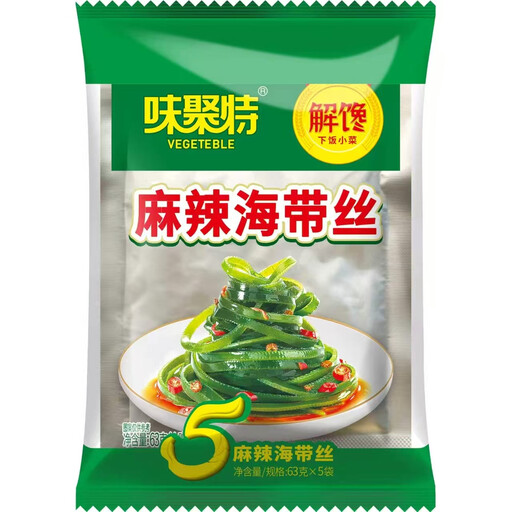
Why This Fits Their Persona: This is for the snacker who is bored with standard flavours and actively seeks the authentic, complex heat of Sichuan cuisine. The combination of chilli and Sichuan peppercorn delivers a true 'málà' (numbing and spicy) sensation that is hard to find in typical UK snacks.
It directly counters the "vague flavour" pitfall. The name explicitly states "Numbing & Spicy," setting a clear expectation for an authentic Sichuan flavour profile, not just generic heat.
Made with 82% kelp, providing a satisfyingly chewy texture. It is a ready-to-eat snack that offers a genuine taste of regional Chinese cuisine.

Why This Fits Their Persona: Ideal for someone looking for a crunchy, savoury snack that feels more considered than standard crisps. The layered format of nori and sesame provides a satisfying, multi-dimensional crunch that is both delicious and feels like a more mindful choice for a midday treat.
This snack sidesteps the "healthy halo" trap by being transparent. While it contains maltose for sweetness, its primary ingredient is dried seaweed (≥85%), making it a more nutrient-forward option than many grain-based snacks.
Features a unique, crunchy texture from the sesame filling between thin nori layers. It offers a balanced sweet and savoury flavour profile.
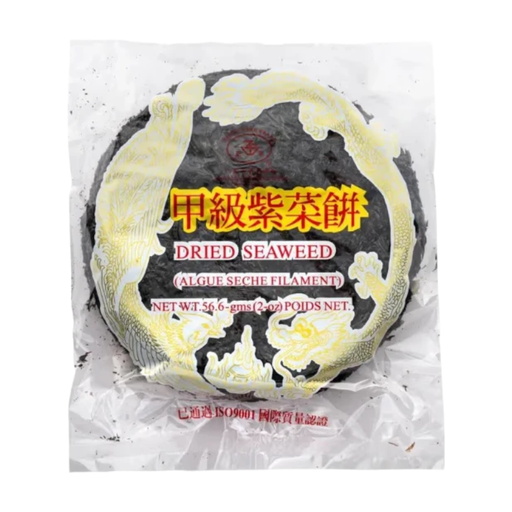
Why This Fits Their Persona: This is not a snack, but a versatile pantry ingredient for those who love to cook East Asian food from scratch. It's a compressed cake of pure nori, perfect for tearing into soups, mixing with sesame oil to make `seaweed flakes for rice` or using in homemade onigiri.
It completely avoids the "texture mismatch" and "hidden salt" pitfalls by being a pure, unseasoned ingredient. The user has full control over the final taste and application, ensuring no surprises.
Made from 100% dried seaweed, offering pure flavour and maximum culinary flexibility. The compressed cake format is easy to store and portion.
We have compiled a complete, real-time list of products that fully satisfy these strict selection criteria and UK safety regulations.
It depends entirely on the product. Plain, roasted nori or unseasoned dried kelp can be a source of iodine and other minerals with minimal calories. However, many ready-to-eat healthy savoury snacks can be high in sodium, oil or sugar. The most reliable approach is to always check the nutritional information on the back of the packet to see if it aligns with your dietary goals.
Crispness is key for nori snacks, while chewiness is important for kelp. Once a packet is opened, moisture from the air is the enemy. To maintain the intended texture, transfer any leftovers to an airtight container and store it in a cool, dry cupboard. This will help prevent your nori crisps from becoming soft.
The primary difference is texture and typical preparation. Nori is thin, brittle and crispy, usually sold in roasted sheets for snacking. Kelp is a much thicker sea vegetable that results in a firm, chewy snack, often found pickled or braised in a savoury or spicy sauce, as seen in many popular Chinese seaweed snacks.