
24/7 Customer Support

Free returns

Same-day & Next-day Delivery

Quality Guaranteed

Unlock Your Welcome Offers: FREE Delivery | Up to 80% OFF | Free 30-day JoyPlus trial
Download the APP
Seaweed snacks can be a convenient addition to a lunchbox, desk drawer or home-cooking cupboard. However, the wide range of roasted seaweed snacks, Korean seaweed snack packs and Japanese nori products can make comparison difficult.
A small packet may be designed for immediate eating, while another is intended for sushi, onigiri or meal toppings. Seasoning, allergens, pack size and storage requirements also vary considerably. The right choice depends less on impressive packaging and more on how you plan to use it.
Thin, crispy sheets are convenient for eating straight from the packet, but they may soften quickly when exposed to steam or moisture. Conversely, plain sushi nori sheets may be more suitable for rolling, but can taste too mild if you want a ready-to-eat snack.
Check whether the product is labelled as ready to eat, roasted and seasoned, or intended for sushi rolls and rice balls. These descriptions indicate different uses.
Seasoned seaweed can contain oil, salt, sugar, soya sauce, sesame or flavour enhancers. Some flavoured products have noticeably more salt or sugar than plain dried nori. For example, the listed nutritional information for some seasoned products shows salt levels ranging from 2.3g to 7.2g per 100g.
The packet size can also be misleading. A multipack may contain several small portions, so compare the per-100g nutrition panel as well as the per-serving figures.
Seaweed itself is not the only ingredient to check. Korean-style snacks may include sesame oil, sesame seeds, soya, wheat-containing soya sauce or flavourings based on shellfish. Some plain Japanese nori products also carry harvesting or cross-contact information relating to crustaceans and molluscs.
Always read the current packaging, particularly when buying for children, vegetarians, vegans or anyone with food allergies. Product formulations and labelling can change.
Plain nori is generally the most flexible option for cooking. A product made with dried nori (100%) can be wrapped around rice balls, used for sushi or cut into strips. It allows you to control salt and seasoning yourself.
Seasoned seaweed is ready to eat and often includes oil, salt and savoury ingredients. Sesame, sweet soya, barbecue, chilli and bulgogi-style flavours can make it more appealing as a snack, but may be less suitable where you want a neutral cooking ingredient.
Choose the format according to the meal:
Do not treat dried wakame as a direct substitute for crispy snack sheets. Wakame expands when soaked and has a softer, more substantial texture.
Seaweed quickly loses its crisp texture when exposed to humidity. Individual sachets, such as a seaweed snacks multipack, can be useful for lunchboxes or occasional portions because unopened servings remain sealed.
For larger packs of seaweed flakes or seasoned laver, reseal the pouch or transfer the contents to an airtight container. Store in a cool, dry place away from sunlight, steam and strong odours. Refrigeration is not always recommended because condensation can make the seaweed soft.
The iodine content of seaweed varies by type and product. The supplied product information for pure nori and dried wakame includes an iodine-related caution, noting that excessive consumption may adversely affect thyroid function. Enjoy seaweed as part of a varied diet and follow the product’s own guidance.
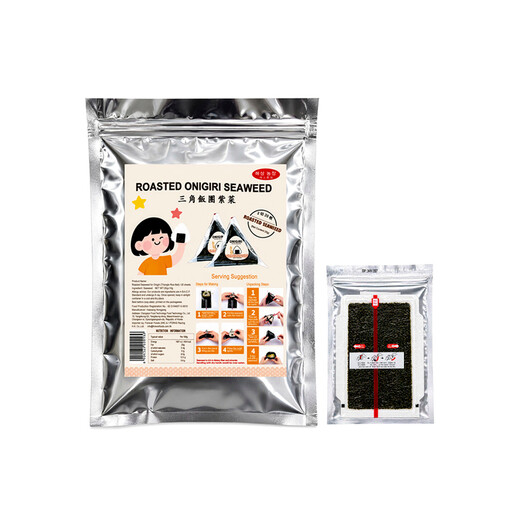
Why This Fits Their Persona: A straightforward option for trying homemade onigiri, sushi rolls or rice wraps without buying a large multi-use cooking pack.
The ingredient list states dried nori (100%), so there are no added oils, sauces or flavourings to complicate comparison.
20 sheets in a 28g pack; suitable for rice balls, sushi, rolls or eating as a plain roasted sheet.
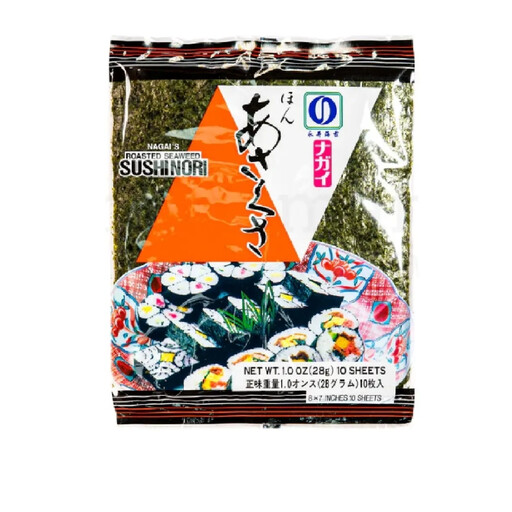
Why This Fits Their Persona: Suits home cooks who want seasoned Japanese-style sheets for carefully assembled sushi rolls, onigiri and garnishes.
Its product information identifies a roasted and seasoned format, making it clearer that this is ready to eat rather than plain, unseasoned nori.
30g net weight; sheets can be rolled, cut into strips or used directly as a snack.
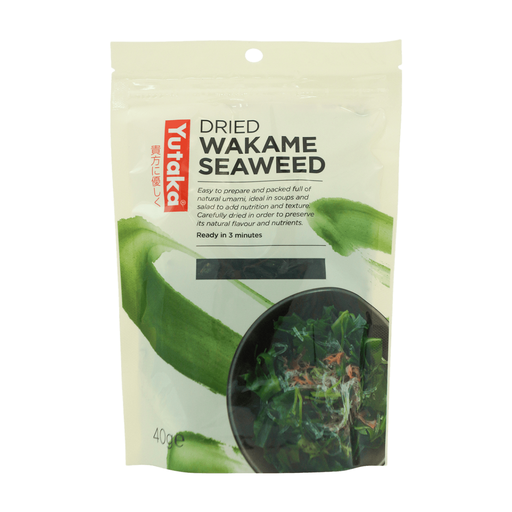
Why This Fits Their Persona: Designed for regular cooks preparing miso soup, ramen, salads, noodles and other dishes where rehydrated seaweed is required.
The instructions clearly state that it should be rehydrated in water, avoiding the common mistake of expecting a crispy snack texture.
40g pouch; single-ingredient wakame suitable for soups, salads and side dishes.
We have compiled a complete, real-time list of products that fully satisfy these strict selection criteria and UK safety regulations.
For lunchboxes and office drawers, individually wrapped options such as bibigo Crispy Seaweed Snacks Sesame, Itsu Sweet Soya & Sea Salt Crispy Seaweed Thins or CJ Bibigo Korean Roasted Seasoned Seaweed offer portioned servings. Check each allergen statement: sesame, soya and wheat appear in several seasoned varieties.
For stronger Korean flavours, bulgogi, barbecue or chilli-seasoned products provide a more pronounced taste. Flaked formats such as seasoned seaweed flakes are particularly useful over rice, noodles, bibimbap, soups and salads, although they can be messier to pack than whole sheets.
For a neutral pantry staple, compare sushi nori sheets made with plain seaweed against lightly seasoned yaki nori. Plain sheets give you more control when preparing vegetarian sushi, rice balls or children’s meals.
They can be convenient for lunchboxes when individually portioned and kept sealed. Choose a product with clear allergen information and check the salt content. Thin seaweed can also present a choking risk for young children, so supervise children while eating and follow the packaging guidance.
Store unopened packs in a cool, dry cupboard away from sunlight and humidity. Once opened, consume promptly or reseal tightly. Avoid leaving sheets near kettles, cookers or steamy pans, as absorbed moisture quickly changes their texture.
Some can, but check the format first. Plain Japanese nori or products specifically described as nori for rice balls are generally more suitable for rolling and wrapping. Seasoned snack sheets can also be used as toppings or wraps, although their oil, salt and flavourings may affect the taste of the finished dish.