
24/7 Customer Support

Free returns

Same-day & Next-day Delivery

Quality Guaranteed

Unlock Your Welcome Offers: FREE Delivery | Up to 80% OFF | Free 30-day JoyPlus trial
Download the APP
The search for a satisfying savoury snack that doesn't feel like a guilty pleasure often leads to the seaweed snack aisle. These umami-rich, crispy treats promise a flavourful, low-calorie alternative to traditional crisps. However, not all seaweed snacks are created equal. Many UK shoppers find themselves disappointed, having fallen into a few common purchasing pitfalls.
As the Joybuy Product Recommendation Officer, my role is to help you navigate the market and make choices that align with your preferences and needs. Before you add that promising-looking pack to your basket, let's look at the frequent issues that can turn a tasty treat into a regrettable purchase.
By understanding what to look for, you can easily sidestep these issues and find a seaweed snack that truly delivers on its promise.
To ensure you get a high-quality product, focus on these key parameters. They are far more telling than flashy packaging or marketing slogans.
The term 'seaweed snack' covers a few distinct styles, each offering a different eating experience.
The flavour of a Korean seaweed snack comes from its seasoning. To avoid the "healthy halo" trap, always check the nutritional information, paying close attention to the sodium and sugar content per 100g. A lower sodium figure is generally a good indicator of a more balanced product. Common flavour profiles include:
This is non-negotiable for maintaining texture. Look for:
Based on these practical criteria, here are a few options that align with different snacking preferences and lifestyles.
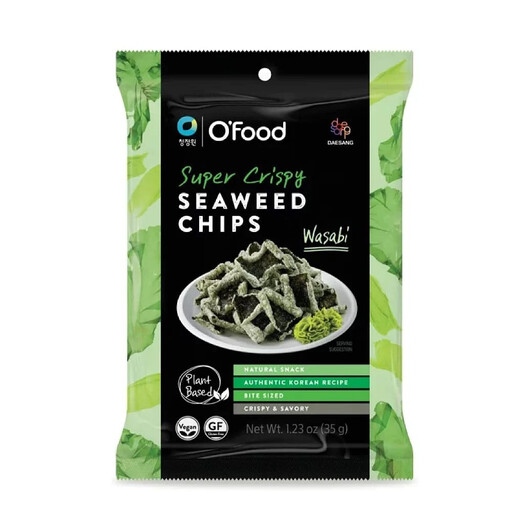
Why This Fits Their Persona: For those bored of simple sea salt, this snack offers a genuinely bold flavour. The combination of a crunchy rice chip base with a pungent wasabi kick provides a multi-layered texture and taste experience that stands out from standard thin nori snacks.
This product directly counters the "flavour letdown" pitfall. The ingredients include 10% wasabi seasoning powder, delivering a noticeable spicy kick rather than a faint hint.
The unique format as a 'chip' made with rice flour and seaweed gives it a more substantial and satisfying crunch. It is also gluten-free and suitable for vegans.
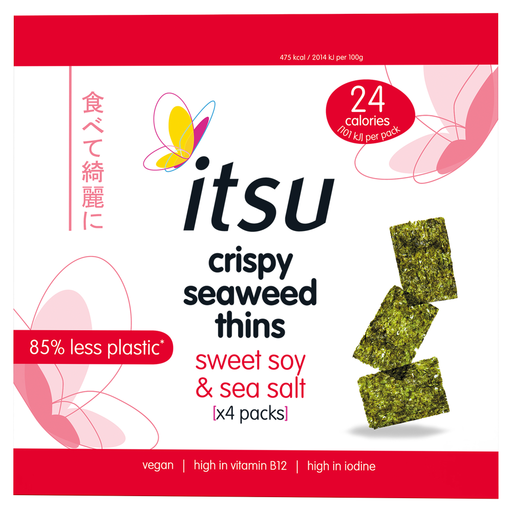
Why This Fits Their Persona: Ideal for those seeking a convenient, portion-controlled and low calorie snack. The multipack format with four 5g packs makes it perfect for popping into a child's lunchbox or grabbing for a quick office snack without overindulging.
The individual packaging completely solves the "crispness gamble," ensuring every portion is perfectly fresh. The clear nutritional information helps users avoid the "healthy halo" trap by showing exactly what's in each serving.
The product is made from sustainably harvested seaweed. The sweet soy and sea salt flavour profile is balanced and widely appealing, making it a safe and reliable choice.
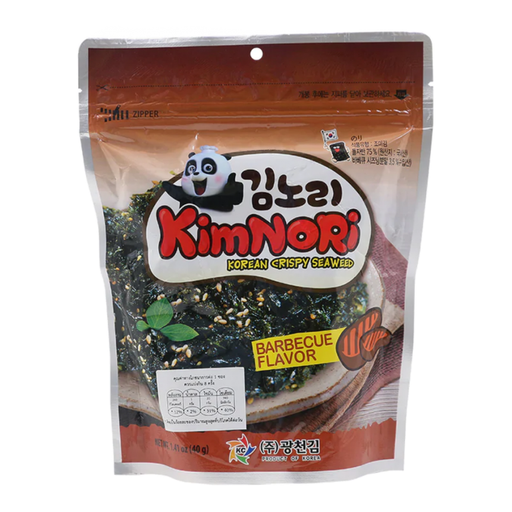
Why This Fits Their Persona: This isn't just a snack; it's a pantry staple. The flaked format is perfect for sprinkling over rice, noodles, salads or soups to add instant flavour and texture, making it an incredibly versatile product for anyone who enjoys cooking Asian-inspired dishes at home.
Its primary function as a topping is clear, managing expectations. The authentic Korean BBQ seasoning provides a distinct sweet and smoky flavour, avoiding the blandness of the "flavour letdown" trap.
A single product can enhance numerous meals, offering great value and convenience. The resealable packaging helps maintain the crispiness of the flakes between uses.
We have compiled a complete, real-time list of products that fully satisfy these strict selection criteria and UK safety regulations.
It depends entirely on the specific product. Seaweed itself is a source of minerals like iodine and is naturally low in calories. However, the final health profile of a seaweed snack is determined by how it's processed and seasoned. To make an informed choice, always check the nutritional panel for the amount of fat, sugar and especially sodium. A product with a simple ingredient list and lower sodium content is generally a more health-conscious option.
Moisture is the enemy of crispy seaweed snacks. The most effective way to prevent them from going soft is to choose products sold in multipacks with small, individual servings. If you buy a larger bag, ensure it has a reliable resealable closure. Once opened, it's a good practice to transfer the contents to an airtight container and store it in a cool, dry cupboard, away from any sources of steam like the kettle or cooker.
These terms can be confusing, but they generally refer to the same thing: edible seaweed sheets. Nori is the Japanese name, gim is the Korean name and laver is the traditional English name. While there can be subtle differences in the specific species of red algae used or the preparation methods between Japanese and Korean products, for the purpose of snacking, you can consider the terms largely interchangeable.