
24/7 Customer Support

Free returns

Same-day & Next-day Delivery

Quality Guaranteed

Unlock Your Welcome Offers: FREE Delivery | Up to 80% OFF | Free 30-day JoyPlus trial
Download the APP
Seaweed snacks can be a convenient addition to a lunchbox, desk drawer or quick Asian-inspired meal. However, the packet size and marketing language do not always tell the full story. A small bag may contain several individually wrapped portions, while a larger-looking pack may contain only a few thin sheets. Seasoning can also add considerable salt, oil, sugar or allergens.
Before buying seaweed snacks, decide whether you want a ready-to-eat treat, an ingredient for sushi and onigiri or a multipack for regular lunches. This simple distinction helps prevent the most common purchasing mistakes.
Seasoned seaweed snacks are usually cut into small, delicate pieces and are ready to eat. They may be flavoured with sesame oil, soy sauce, chilli, wasabi or other seasonings. They are convenient but can tear easily when used for rolling.
Plain roasted nori sheets are designed for sushi, hand rolls and onigiri. They are generally larger and easier to cut or wrap around rice. Some can be eaten as a snack, but they may not have the savoury flavour associated with Korean seaweed snacks.
A “multipack” may mean several small portions, not a large quantity of seaweed. Check both the total net weight and the number of individual packs. For example, 15g divided into three 5g portions offers a different shopping experience from 25g supplied as 10 sheets.
Individual packaging is useful for lunchboxes and freshness, but it can create more packaging waste. For frequent home use, a larger resealable pack may be more practical if you can protect it from moisture.
Seaweed itself can have a relatively simple nutritional profile, but seasoned varieties often include oil, salt, sugar and sauces. Compare the per 100g nutrition panel, while also considering the actual serving size. A 5g serving may appear small, yet several packets can quickly add up.
Always check the ingredients and allergen statement. Soy, wheat, sesame and, in some cases, possible cross-contact with fish or shellfish may be relevant to UK shoppers.
Choose roasted seaweed, seasoned seaweed or laver snacks when you want a crisp, ready-to-eat product. These work well as a standalone snack, rice topping or crunchy addition to noodles and salads.
For homemade sushi, select seaweed for sushi or plain nori sheets. Products such as sushi nori and onigiri nori should be large enough to wrap rice without excessive tearing. Check the sheet count, dimensions where listed and whether the sheets are plain or seasoned.
Review the ingredient list rather than relying only on the flavour name. Seasoning recipes vary between products and “original” does not necessarily mean unseasoned.
Moisture is the main cause of soft, chewy seaweed. Look for packaging that suits your consumption pattern, then store it in a cool, dry place away from sunlight and humidity. Once opened, consume the portion promptly and reseal any remaining sheets in an airtight container or tightly closed inner bag.
Do not buy products with damaged packaging. For children, supervise consumption because thin, brittle sheets can present a choking risk. Seaweed can also contain iodine naturally; people with specific dietary or medical concerns should check the label and seek suitable professional advice rather than assuming every variety is interchangeable.
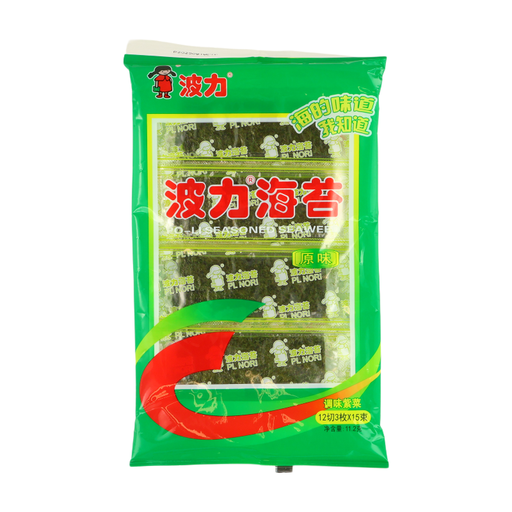
Why This Fits Their Persona: Fifteen small packs make this a practical option for trying Korean-style seaweed snacks or dividing portions between workdays and lunchboxes.
The listing clearly states the total weight and pack count, helping shoppers compare portion value instead of relying on the outer packaging.
Original savoury seasoning; ready to eat; suitable for rice, noodles or homemade onigiri.
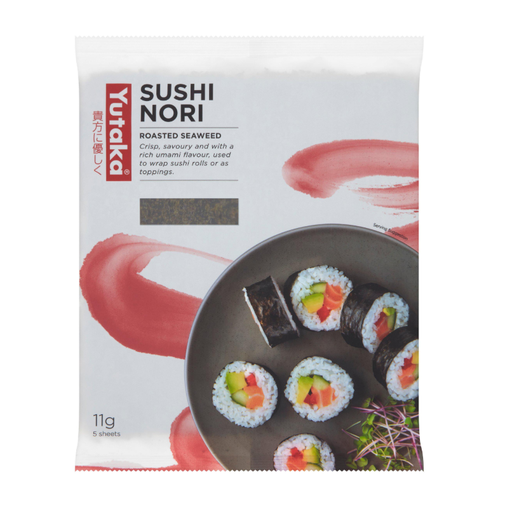
Why This Fits Their Persona: Home cooks who prioritise a plain ingredient for sushi rolls, onigiri and garnishing can use these roasted sheets across several recipes.
It is listed as seaweed only, so shoppers are not paying for a heavily seasoned snack when they need a versatile sushi ingredient.
100% seaweed listed; five sheets per pack; designed for sushi, onigiri and garnishes.
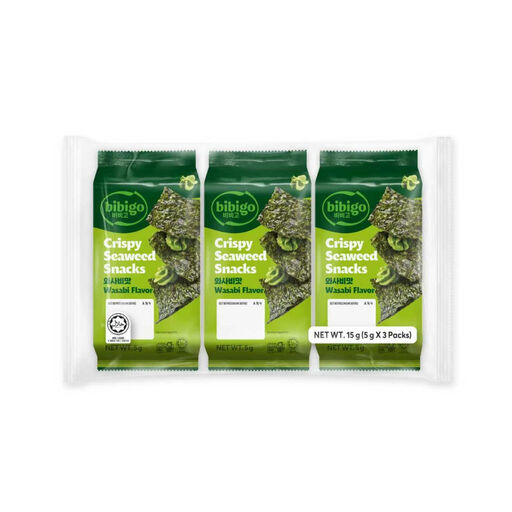
Why This Fits Their Persona: The three individually portioned packs suit shoppers who want a portable snack with a distinct wasabi flavour for commutes, lunch breaks or bento boxes.
The 3 x 5g format makes the actual serving quantity clear, while the ingredient list identifies soy and possible milk or sesame traces.
Wasabi seasoning; individually sealed 5g packs; ready to eat or crumble over rice and noodles.

Why This Fits Their Persona: Ten sheets provide flexibility for sushi nights, rice bowls, noodles and occasional snacking without relying on small snack portions.
The sheet count and 25g net quantity are stated clearly, making it easier to compare against individually packed laver snacks.
Ten roasted sheets; suitable for sushi rolls, rice bowls and noodle toppings; seasoned with soy and sesame.
We have compiled a complete, real-time list of products that fully satisfy these strict selection criteria and UK safety regulations.
Seasoned sheets can be torn over steamed rice, ramen, salads or noodle bowls. Sesame, wasabi and chilli varieties add flavour without requiring extra preparation. Plain nori is more adaptable: cut it into strips for soup, wrap it around rice balls or use it for homemade sushi.
For a family lunchbox, individual Korean seaweed snacks are convenient, but check salt and allergen information. For regular cooking, compare total weight and resealability before choosing a larger bag or sheet pack.
Some products contain seaweed, oil, seasoning and plant-based ingredients only, but recipes differ. Check the full ingredient list and any allergen or suitability statement. Products with soy sauce may contain wheat and possible traces of fish or shellfish can be listed because of shared handling or harvesting environments.
Store unopened packs in a cool, dry cupboard away from sunlight and moisture. After opening, eat the portion promptly and reseal remaining sheets in an airtight container. Avoid leaving nori exposed while preparing sushi, as steam and humidity can quickly soften it.
It depends on how you use them. Seasoned multipacks reduce preparation and provide portion control, while plain nori sheets usually offer more flexibility for sushi, onigiri and cooking. Compare the price per 100g, sheet count and serving format rather than the packet size alone.