
24/7 Customer Support

Free returns

Same-day & Next-day Delivery

Quality Guaranteed

Unlock Your Welcome Offers: FREE Delivery | Up to 80% OFF | Free 30-day JoyPlus trial
Download the APP
As a Joybuy Product Recommendation Officer, my role is to help you navigate the crowded market of Asian snacks. Seaweed snacks have become a popular choice for UK residents seeking flavourful, savoury alternatives to traditional crisps. However, not all options are created equal. Many shoppers find themselves disappointed with snacks that are too oily, unexpectedly sugary or have a texture they weren't anticipating. Let's cut through the marketing clutter and identify what truly matters.
Before you add that packet to your basket, be aware of these common pitfalls:
To make an informed choice, focus on these three core parameters. They will help you find the perfect seaweed snacks for your palate and purpose.
The type of seaweed dictates the texture of the snack. The three most common types you'll encounter are:
Beyond the natural umami taste of seaweed, the seasoning defines the snack. Look at the ingredients list for clues:
Consider how you plan to enjoy your seaweed. Are you looking for a standalone, low-calorie savoury snack to eat straight from the bag? Or do you need a versatile ingredient to elevate your meals? Thin crispy sheets are great for direct snacking, while Jaban seaweed is specifically designed as a convenient seaweed rice topping for noodles, soups and salads.
Based on these practical criteria, here are a few options matched to different preferences and uses.
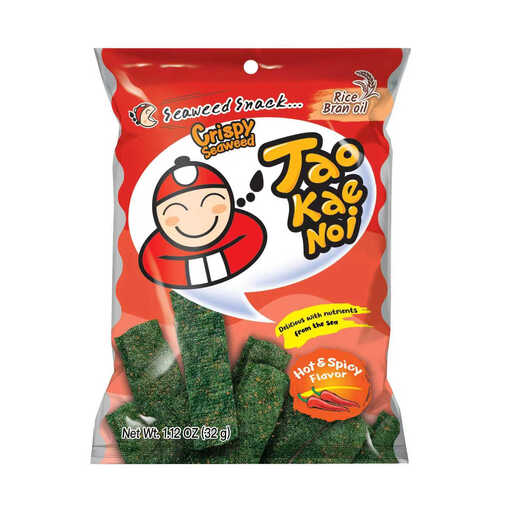
Why This Fits Their Persona: This is for the person who wants a direct, flavour-packed replacement for a bag of crisps. The large, ultra-thin sheets deliver a satisfying crunch and the Thai-style spicy seasoning offers a bold taste experience.
It avoids the texture mismatch pitfall. The product is clearly a classic crispy seaweed sheet, delivering exactly the light, crunchy experience expected from nori snacks.
Features premium roasted seaweed for a shatteringly crisp texture. The authentic Thai spice blend provides a fiery and savoury flavour profile.
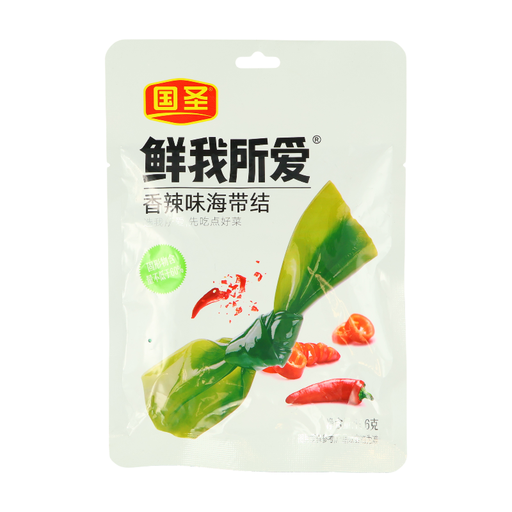
Why This Fits Their Persona: For the snacker bored of thin crisps, these spicy kelp knots offer a substantial, chewy texture. The flavour profile, featuring a subtle numbing kick from Sichuan peppercorn, is perfect for those exploring authentic Chinese kelp snacks.
This product directly counters the "spicy gamble." By mentioning Sichuan peppercorn, it sets a clear expectation for a specific type of numbing spice (málà), not just generic heat. It also has only 89 kcal per 100g, avoiding the "healthy snack" illusion.
Offers a unique, satisfyingly chewy texture. The ready-to-eat format makes it a convenient and genuinely low-calorie savoury snack.
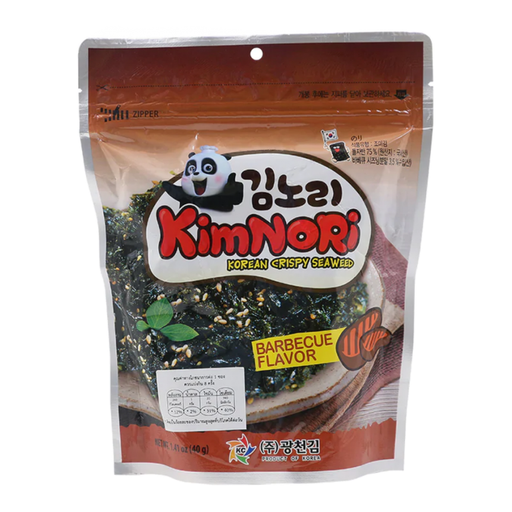
Why This Fits Their Persona: This is ideal for anyone wanting to quickly add a burst of flavour and crunch to their meals. As a classic Korean flaked seaweed, it's the perfect seaweed rice topping, but also works wonderfully on salads, soups and noodles.
This product's format as Jaban seaweed is specifically designed for culinary use, preventing the pitfall of buying a snack that isn't suitable for sprinkling. Its purpose is clear from the "flaked" description.
Extremely versatile for adding a sweet and smoky umami flavour to a wide range of dishes. The pre-flaked format offers ultimate convenience.
We have compiled a complete, real-time list of products that fully satisfy these strict selection criteria and UK safety regulations.
The main difference is texture and thickness. Nori snacks are made from thin sheets of laver seaweed that are roasted until light and crispy. Kelp snacks, on the other hand, are made from a thicker sea vegetable, resulting in a much chewier, more substantial bite. Kelp is often sold in knots or strips and is typically marinated.
Crispness is key for nori-style snacks. Moisture is their biggest enemy. Always store them in a cool, dry place away from direct sunlight. Once a packet is opened, it's important to reseal it as tightly as possible. If the original packaging isn't resealable, transfer the snacks to an airtight container to maintain their crunch.
They can be, but it depends heavily on the preparation method. A simple roasted nori sheet is very low in calories. However, snacks that are deep-fried or heavily coated in oil and sugary seasonings will have a much higher calorie count. To be sure, always check the nutritional information per 100g, paying attention to the fat, sugar and sodium content. Many marinated spicy kelp knots are also excellent low-calorie savoury snacks.