
24/7 Customer Support

Free returns

Same-day & Next-day Delivery

Quality Guaranteed

Unlock Your Welcome Offers: FREE Delivery | Up to 80% OFF | Free 30-day JoyPlus trial
Download the APP
Seaweed snacks can be a convenient savoury option for work breaks, lunchboxes, sushi nights and quick toppings. However, the packs can look very similar while offering noticeably different flavours, textures and uses. A seasoned Korean laver sheet is not interchangeable with plain sushi nori, and dried wakame requires preparation rather than immediate snacking.
Before buying, look beyond phrases such as “light”, “natural” or “crispy”. The useful details are the net weight, individual pack size, seasoning ingredients, allergens and intended use.
A multipack may contain only 15g or 20g in total. For example, a 5g x 3 pack offers three portions, while a 60g family-sized pouch contains more food but may lose its texture more quickly after opening. Compare the price per 100g as well as the shelf price, particularly when choosing between seaweed crisps and individually wrapped Korean seaweed snacks.
Roasted seaweed, seasoned seaweed and laver snacks are generally ready to eat. Sushi nori may also be eaten directly, but it is primarily designed for rolls, rice balls and garnishes. Dried wakame is different: it should be rehydrated in water before adding to soups, salads or noodle dishes. Buying wakame for a lunchbox snack can lead to disappointment because it is not a crisp sheet product.
Seaweed itself can be light in weight, but oil, sugar and salt may make a significant difference to the nutrition per 100g. Some seasoned varieties list salt at around 3–7g per 100g, while plain products have shorter ingredient lists. Check the label rather than relying on descriptions of healthy Asian snacks. A small pack can still be a salty food, so portion size matters.
Plain nori may contain only seaweed, whereas flavoured products can include vegetable oil, sesame oil, soy sauce powder, sugar, chilli, wasabi or flavour enhancers. Soy sauce commonly introduces soy and wheat, while sesame oil or sesame seeds make a product unsuitable for people avoiding sesame.
UK food labelling rules require allergens to be emphasised in the ingredients list, but recipes and cross-contact advice can vary. Always check the packaging supplied with your order, especially if you have allergies or are buying for children. Products with seafood-flavoured seasoning may contain crustaceans or molluscs, even when the main ingredient is seaweed.
For a crisp bite, look for roasted or baked sheets in sealed individual portions. Thin sheets absorb moisture quickly, so an opened pouch should be resealed promptly and consumed according to the pack instructions. Individual 4–5g packs suit desks, packed lunches and portion control. Larger flaked products are more practical for rice bowls, noodles and soups than for neat snacking.
Vegetarians and vegans should check the full ingredient list. Seaweed alone is plant-based, but seasoning, flavourings and shared-facility warnings can change suitability.

Why This Fits Their Persona: Three individually wrapped 4.5g portions offer a straightforward way to try Korean laver snacks without committing to a larger pouch.
The portion format makes the actual serving quantity clear and limits exposure to air after opening.
Non-fried processing is stated in the product information; ingredients include green seaweed, canola oil, sesame oil and salt.
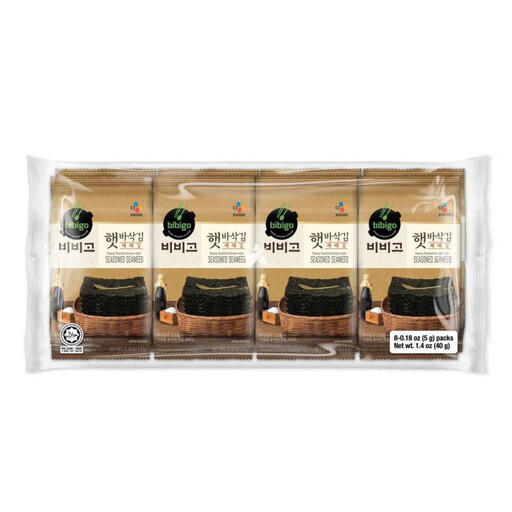
Why This Fits Their Persona: Eight 5g packs suit shoppers who want a neatly portioned Korean snack for home, office or travel.
The listing identifies 40g total weight, 5g portions and allergens including soy, wheat and sesame.
Roasted laver is seasoned with soy sauce, sesame oil and Korean seasonings; it can be eaten directly or added to rice, soups and salads.
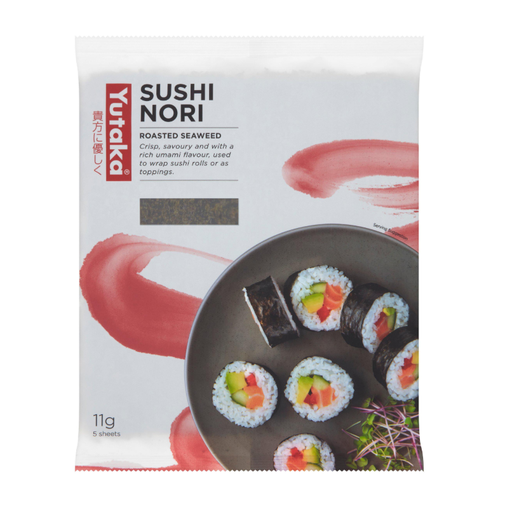
Why This Fits Their Persona: Home cooks making sushi rolls, onigiri or rice-bowl toppings need full roasted sheets rather than small snack squares.
The pack contains five sheets and lists seaweed as the ingredient, making its sushi-focused format clear.
Roasted sheets are suitable for rolls, rice balls and garnishing; the pack information also identifies potential crustacean and mollusc cross-contact.
We have compiled a complete, real-time list of products that fully satisfy these strict selection criteria and UK safety regulations.
Moisture is the main cause of soft, chewy seaweed crisps. Keep unopened packs in a cool, dry place away from sunlight, heat and strong odours. Once an individual packet is open, eat it promptly. For larger bags of seaweed flakes, reseal the pouch tightly or transfer the contents to an airtight container.
Do not assume refrigeration will improve every product. Follow the storage instructions on the specific packaging, as some seasoned laver products advise against refrigeration because condensation can affect texture.
Some are, but suitability depends on the complete recipe. Plain nori or wakame may contain only seaweed, while seasoned products can include soy sauce, flavourings or seafood-derived ingredients. Check the packaging for vegetarian or vegan information and allergen statements.
They are usually crispest immediately after opening. Individual portions help preserve texture until use, while a larger pouch should be sealed tightly after each serving. If the seaweed develops a soft texture, unusual smell or visible spoilage, do not eat it.
Yes. Sheets can wrap onigiri, accompany rice or be cut over noodles and salads. Seaweed flakes are convenient over rice bowls and soups. Dried wakame should be soaked and softened before use, then added to dishes such as miso soup, ramen or seaweed salad.