
24/7 Customer Support

Free returns

Same-day & Next-day Delivery

Quality Guaranteed

Unlock Your Welcome Offers: FREE Delivery | Up to 80% OFF | Free 30-day JoyPlus trial
Download the APP
Seaweed snacks can be a convenient addition to a lunchbox, sushi night or quick rice bowl. However, the category includes very different products: seasoned roasted seaweed is ready to eat, while dried wakame and kelp usually need soaking or cooking first. Choosing by attractive packaging alone can lead to disappointing texture, unsuitable allergens or a pack that does not match your intended recipe.
This guide explains the practical details to check before buying seaweed snacks, including flavour, format, preparation, pack size and storage.
A thin, roasted laver sheet can be eaten directly, wrapped around rice or crumbled over noodles. Dried wakame and dried kelp are different. They may expand considerably in water and generally need soaking, rinsing and, depending on the product, cooking.
Always look for wording such as “ready to eat”, “no cooking required” or “requires cooking”. Buying dried kelp for an office snack, for example, will be inconvenient if you have no access to preparation facilities.
Unseasoned nori may contain only seaweed, but seasoned seaweed can include soy sauce, wheat, sesame oil, sugar, flavour enhancers or seafood flavourings. A grilled squid-flavour snack may contain crustaceans and molluscs, even when the main ingredient is seaweed.
UK shoppers should read the full ingredient and allergen panel rather than relying on terms such as “Asian seaweed snacks” or “natural”. This is especially important for packed lunches, children and anyone avoiding soy, wheat, gluten, sesame, fish or shellfish.
Seaweed products can be lightweight and convenient, but nutrition varies between plain, seasoned and oil-coated formats. Seasoned seaweed may contain notable amounts of salt, while iodine levels can vary by species and processing. The nori for rice balls listing also warns that excessive consumption may adversely affect thyroid function.
Use the serving size and the product’s current packaging information as your guide. Seaweed snacks can complement a varied diet, but they should not automatically be considered a substitute for a balanced meal.
Choose the format around your meal plan:
For the simplest option, look for 100% seaweed, such as a plain nori sheet. Products with oil and salt may offer a more snack-like crunch, while soy sauce, sesame oil and mushroom seasoning create a stronger savoury flavour.
Check whether the product contains:
A product can be suitable for vegetarians but still contain soy, wheat or sesame. If you are buying for a school lunchbox, check the school’s allergy policy as well as the packaging.
Crispness is one of the main attractions of roasted seaweed. Moisture quickly affects thin sheets, making them chewy rather than crisp. Individual 3g–5g packs can help with portability and portion control, while larger bags may offer more value for regular sushi-making or family cooking.
Store unopened products in a cool, dry place away from sunlight, moisture and strong odours. Once opened, reseal the pack tightly or transfer the contents to an airtight container. Individual snack packs are usually intended to be consumed promptly after opening.
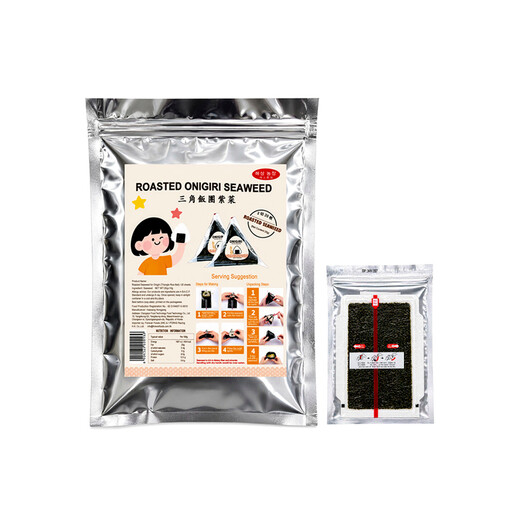
Why This Fits Their Persona: A straightforward entry point for home cooks making onigiri, sushi rolls or rice snacks, with 20 sheets in one pack.
The ingredients list states dried nori at 100%, avoiding hidden seasoning ingredients and making the format clear.
20 sheets; suitable for rice balls, sushi rolls, wraps and snacks; no listed allergens.
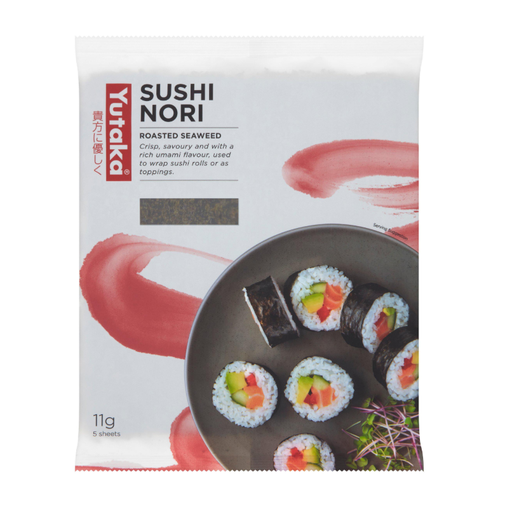
Why This Fits Their Persona: A compact Japanese-style sushi nori option for shoppers who prioritise plain sheets and traditional meal preparation.
The listed ingredient is seaweed at 100%, so buyers can distinguish it from oil-coated or heavily seasoned seaweed snacks.
Five roasted sheets; suitable for sushi, onigiri, soups and salads; resealable dry storage is recommended.
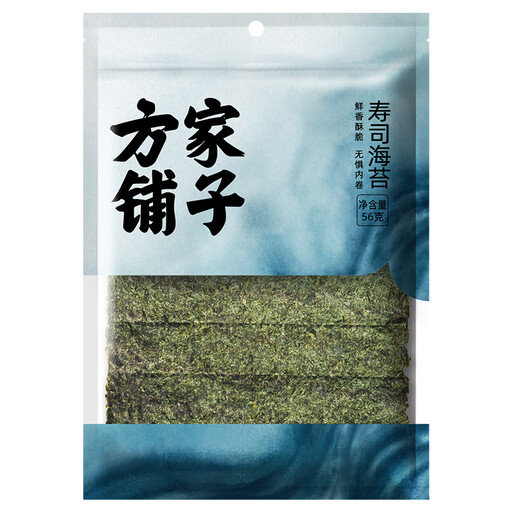
Why This Fits Their Persona: The larger 56g bag suits households preparing sushi rolls, hand rolls and onigiri regularly rather than buying single snack portions.
It is identified as sushi nori and the usage notes explain that it can be used for rolls, onigiri or garnish, rather than being marketed only as a snack.
100% seaweed ingredient; usable as sheets, strips or a soup and noodle garnish; dry storage guidance is provided.
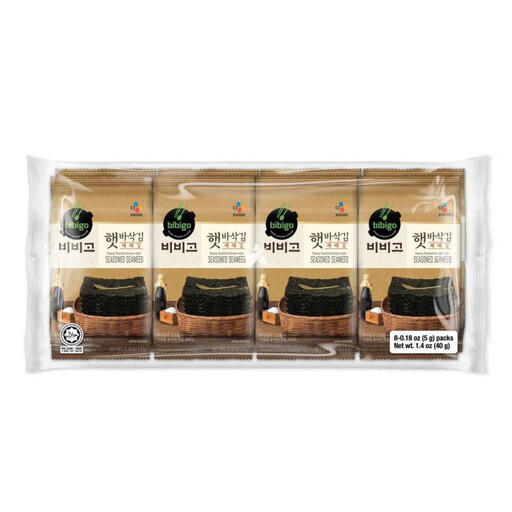
Why This Fits Their Persona: Eight individual packs are practical for work bags, school lunches or serving alongside rice without opening a large packet.
The eight 5g portions limit repeated exposure to air, while the listing clearly identifies soy, wheat and sesame allergens.
Ready to eat; seasoned with soy sauce, sesame oil and Korean seasonings; suitable for rice, soups and salads.
For dried wakame, soak the required amount in water for approximately five minutes, then drain well before adding it to soup, salad or a side dish. Dried kelp and kelp strips generally need soaking and cooking; follow the preparation instructions on the pack, particularly where the product is salt-preserved.
Keep nori sheets and roasted seaweed away from steam, damp cupboards and the fridge unless the packaging specifically advises otherwise. If an opened seasoned snack loses its crispness or develops an unusual smell, discard it rather than trying to refresh it.
We have compiled a complete, real-time list of products that fully satisfy these strict selection criteria and UK safety regulations.
Some are, but not all. Roasted laver, seasoned seaweed and many sushi nori products can be eaten directly. Dried wakame, dried kelp and kelp strips normally require soaking, rinsing or cooking. Check the usage instructions before opening.
Store them in a cool, dry place and reseal the packet immediately after use. An airtight container can help protect opened nori from humidity. Avoid leaving sheets beside a kettle, hob or open sink.
Look for sushi nori, nori sheets or wording such as seaweed for sushi and seaweed for rice balls. Larger plain sheets are flexible for rolls and hand rolls, while individually portioned roasted seaweed works well as a quick rice topping or snack.